

 By
By Introduction
Losing weight is often described as a battle fought in the kitchen and the gym. While nutrition plays a huge role, exercise is what truly accelerates fat loss, improves metabolism, and transforms your overall health.
But here’s the challenge most people face: not all workouts are equally effective for weight loss. Some burn calories quickly, others improve endurance, and some help you build muscle that boosts your metabolism long-term.
The good news is you don’t need complicated routines or expensive gym memberships to get results. The most effective exercises are often simple, accessible, and easy to incorporate into your daily routine.
In this guide, we’ll explore 10 highly effective exercises for weight loss, why they work, and how you can use them to build a sustainable fitness routine.
Why Exercise Matters for Weight Loss
Weight loss fundamentally comes down to creating a calorie deficit, meaning you burn more calories than you consume. Exercise plays an important role in this process by increasing daily energy expenditure.
But the benefits go far beyond calorie burning.
Regular exercise helps:
- Improve metabolic rate
- Preserve lean muscle during fat loss
- Enhance cardiovascular health
- Improve insulin sensitivity
- Reduce stress and improve mood
In other words, exercise doesn’t just help you lose weight – it helps your body function better.
The key is choosing workouts that are both effective and sustainable, so you can stick with them long-term.
1. Walking
Walking is often underestimated, but it is one of the most sustainable and beginner-friendly exercises for weight loss.
Unlike intense workouts that can lead to burnout or injury, walking is gentle on the joints and easy to maintain consistently.
A brisk walk increases heart rate and helps your body burn calories while improving circulation and endurance.
What makes walking particularly powerful is its accessibility. You don’t need a gym, equipment, or special training. Just a comfortable pair of shoes and a safe route.
For better weight-loss results, try walking:
- 30-45 minutes daily
- At a brisk pace where conversation is possible but slightly challenging
Over time, this simple habit can contribute significantly to fat loss and improved fitness.
2. Running or Jogging
Running and jogging are among the most efficient calorie-burning exercises.
Compared to walking, running increases energy expenditure dramatically. This means you can burn more calories in a shorter period.
Jogging is typically done at a slower pace and is great for beginners who want to transition into running.
Running also stimulates the body’s metabolism and helps improve cardiovascular endurance.
Many people find that running outdoors provides additional mental benefits. Fresh air, changing scenery, and natural sunlight can make workouts feel less like a chore.
If you’re starting out, alternate between jogging and walking intervals until your endurance improves.
3. Cycling
Cycling is an excellent low-impact exercise that supports both fat loss and cardiovascular health.
Whether done outdoors or on a stationary bike, cycling engages the lower body muscles, including the quadriceps, hamstrings, and calves.
Because it’s easier on the joints compared to running, cycling is a great option for people who experience knee discomfort or are returning to exercise after a break.
Longer rides at moderate intensity can burn a significant number of calories while improving stamina.
Another advantage is that cycling can easily become part of daily life – commuting to work or running errands by bike can contribute to consistent calorie burning.
4. Jump Rope
Jump rope isn’t just for playgrounds – it’s actually one of the most effective cardio workouts available.
In just a few minutes, jump rope can elevate your heart rate dramatically, making it a powerful calorie-burning activity.
The exercise also improves coordination, agility, and balance.
Many athletes use jump rope as part of their conditioning routines because it engages the entire body, including the arms, legs, and core.
For beginners, short intervals work best. Start with 30 seconds of jumping followed by a brief rest, gradually increasing duration as your stamina improves.
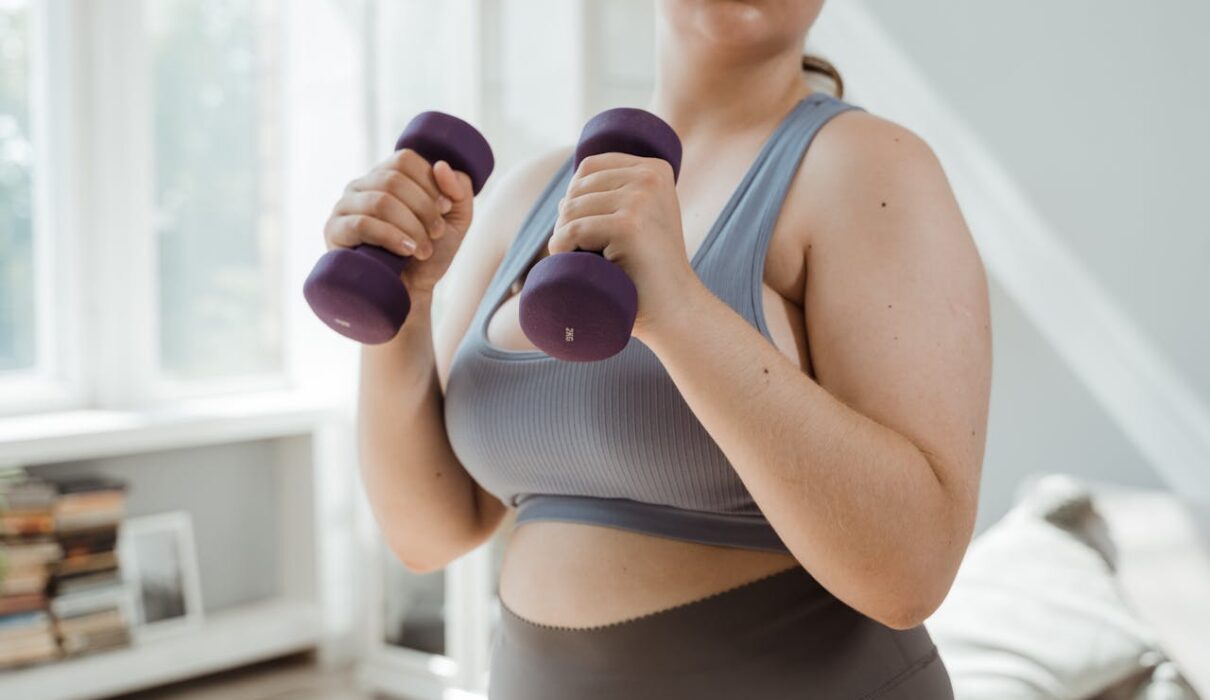
5. Strength Training
Many people associate weight loss with cardio, but strength training is just as important.
When you build muscle, your body naturally burns more calories – even at rest. This means strength training helps increase your resting metabolic rate.
Exercises like squats, lunges, push-ups, and resistance training activate large muscle groups and improve body composition.
Instead of focusing only on the number on the scale, strength training helps reshape the body by reducing fat and building lean muscle.
A well-balanced routine typically includes strength training two to three times per week.
6. High-Intensity Interval Training (HIIT)
HIIT has become incredibly popular for a reason – it delivers impressive results in a short amount of time.
This training method alternates between short bursts of intense activity and brief recovery periods.
For example:
30 seconds of fast movement followed by 30 seconds of rest.
This pattern keeps your heart rate elevated and increases calorie burn even after the workout ends.
HIIT is particularly effective because it combines cardio and strength elements, maximizing fat burning.
Many HIIT workouts can be completed in 20-30 minutes, making them perfect for busy schedules.
7. Swimming
Swimming is a full-body workout that combines cardio, strength, and flexibility.
The resistance of water forces your muscles to work harder while minimizing stress on the joints.
This makes swimming ideal for individuals who experience joint pain or are recovering from injury.
Different strokes target different muscle groups, helping improve overall body strength and endurance.
Swimming sessions can burn a large number of calories while also providing a refreshing and enjoyable workout experience.
8. Bodyweight Exercises
Bodyweight exercises are incredibly versatile and require no equipment.
Movements like push-ups, squats, planks, and mountain climbers engage multiple muscle groups simultaneously.
Because these exercises rely on your body weight for resistance, they can be performed almost anywhere.
Bodyweight workouts are also easy to scale. Beginners can modify movements, while advanced individuals can increase intensity by adding speed, repetitions, or combinations.
These exercises are excellent for building strength, improving balance, and supporting fat loss.
9. Rowing
Rowing is often overlooked but is one of the most efficient full-body exercises available.
It works both the upper and lower body while simultaneously improving cardiovascular endurance.
A rowing machine engages:
- Legs
- Back
- Core
- Arms
Because so many muscles are involved, rowing burns calories efficiently while improving posture and strength.
Even moderate rowing sessions can contribute significantly to weight loss when performed consistently.
10. Hiking
Hiking offers many of the benefits of walking but with added intensity.
Uneven terrain, elevation changes, and longer distances make hiking a more challenging workout.
Climbing uphill activates major muscle groups and increases heart rate, making it excellent for calorie burning.
But perhaps the greatest benefit of hiking is its mental and emotional impact.
Spending time in nature reduces stress, improves mood, and makes exercise feel more enjoyable.
When workouts feel enjoyable rather than forced, long-term consistency becomes much easier.
How to Build an Effective Weight Loss Workout Routine
Choosing the right exercises is important, but the way you combine them matters even more.
A balanced routine should include both cardio and strength training.
Cardio helps burn calories immediately, while strength training increases long-term metabolic efficiency.
Here is a simple weekly structure many fitness professionals recommend:
- Cardio workouts: 3-4 days per week
- Strength training: 2-3 days per week
- Active recovery (walking, stretching): 1-2 days per week
Consistency matters far more than intensity. A moderate routine followed consistently will always outperform extreme workouts done occasionally.
Practical Tips to Maximize Weight Loss Results
Exercise alone rarely produces the best results without a few supportive lifestyle habits.
Here are some practical strategies that can make a major difference:
• Focus on consistency rather than perfection
• Combine exercise with balanced nutrition
• Prioritize sleep for proper recovery
• Stay hydrated throughout the day
• Gradually increase workout intensity
Small habits performed consistently often lead to the most sustainable results.
Conclusion
Weight loss doesn’t require complicated routines or extreme workouts.
The most effective approach is choosing exercises that fit your lifestyle, challenge your body, and keep you motivated.
Walking, running, cycling, swimming, strength training, and HIIT workouts all provide powerful benefits for burning calories and improving overall health.
The key is consistency.
Even moderate exercise performed regularly can lead to meaningful fat loss, improved energy levels, and better long-term health.
Start small, stay consistent, and gradually build a routine that works for you. Over time, these simple habits can transform not only your weight but also your overall well-being.