

 By
By Introduction
Blood sugar levels play a major role in your overall health. When they stay balanced, your body has steady energy, your metabolism functions properly, and your risk of chronic diseases stays lower. But when blood sugar regularly spikes and crashes, it can lead to fatigue, weight gain, insulin resistance, and eventually type 2 diabetes.
The good news is that food can be one of the most powerful tools for managing blood sugar naturally. Certain foods contain fiber, antioxidants, healthy fats, and plant compounds that help stabilize glucose levels and improve insulin sensitivity.
In this guide, we’ll explore ten foods that have been widely studied for their ability to support healthy blood sugar levels. These are simple foods you can easily add to your daily meals to support long-term metabolic health.
Why Diet Plays a Critical Role in Blood Sugar Control
Blood sugar rises whenever we eat carbohydrates. But not all foods affect blood glucose the same way. Highly processed foods and refined sugars are absorbed quickly, causing rapid spikes in blood sugar.
Whole foods, on the other hand, tend to contain fiber, protein, and healthy fats that slow digestion. This allows glucose to enter the bloodstream gradually, preventing sudden spikes and crashes.
Certain foods also contain nutrients that directly improve how the body processes glucose. Magnesium, polyphenols, antioxidants, and soluble fiber all play important roles in blood sugar regulation.
By choosing the right foods consistently, many people can significantly improve their blood sugar stability and overall metabolic health.
1. Leafy Greens
Leafy greens are among the most nutrient-dense foods you can eat, and they have very little impact on blood sugar levels.
Vegetables like spinach, kale, arugula, and Swiss chard are extremely low in carbohydrates but rich in vitamins, minerals, and antioxidants. One nutrient that stands out is magnesium, which plays an important role in insulin function and glucose metabolism.
Leafy greens are also rich in compounds such as lutein and beta-carotene that help reduce inflammation in the body. Chronic inflammation is closely linked with insulin resistance, so reducing inflammation may support better blood sugar control over time.
Adding leafy greens to meals is simple. You can toss spinach into smoothies, build salads with mixed greens, or sauté kale as a side dish.
2. Berries
Berries are one of the best fruits for blood sugar management.
Unlike many other fruits, berries are relatively low in sugar and high in fiber. Fiber slows the digestion of carbohydrates and helps prevent rapid spikes in blood glucose.
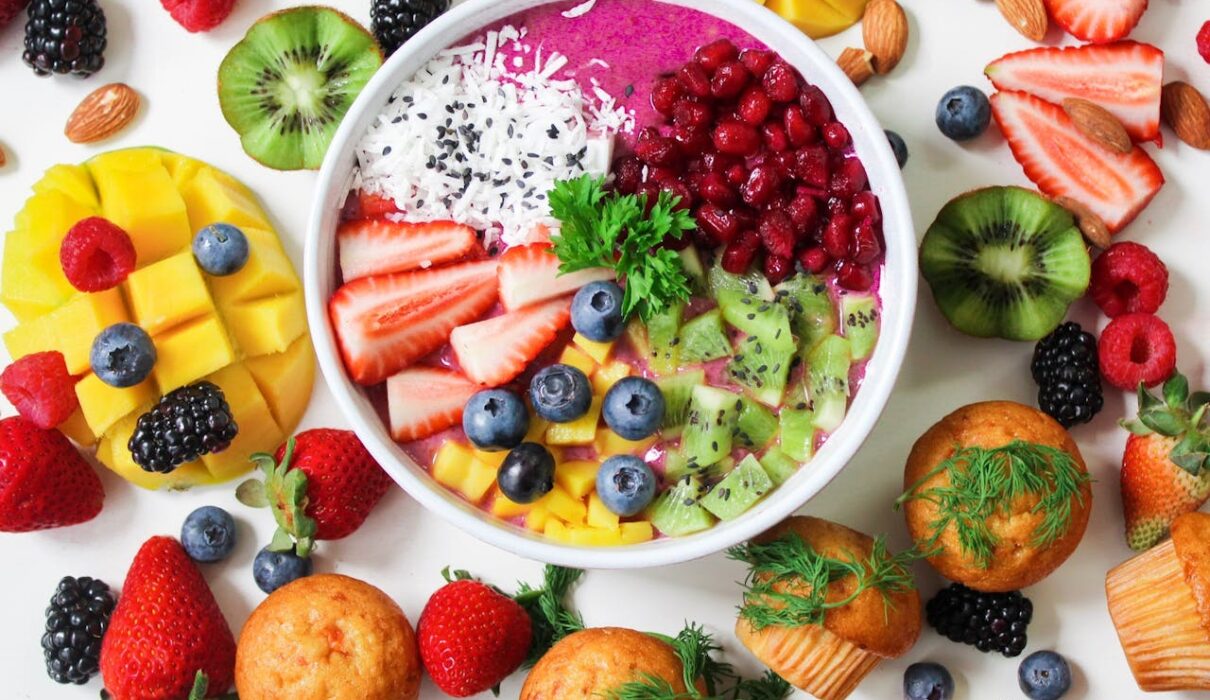
Blueberries, strawberries, raspberries, and blackberries are especially rich in antioxidants called anthocyanins. These compounds have been studied for their ability to improve insulin sensitivity and reduce oxidative stress.
Another advantage of berries is their versatility. They can be added to yogurt, oatmeal, smoothies, or simply enjoyed as a snack.
Even a small daily serving of berries may contribute to better blood sugar control.
3. Avocados
Avocados are unique among fruits because they are rich in healthy fats and contain very little sugar.
Healthy monounsaturated fats help slow the digestion of carbohydrates and stabilize blood sugar levels after meals. These fats also support heart health, which is particularly important for people managing blood sugar issues.
Avocados are also packed with fiber. A single avocado contains around 10 grams of fiber, which contributes to slower glucose absorption and improved satiety.
Including avocado in meals can help prevent overeating and reduce cravings for sugary foods.
You can enjoy avocado on whole-grain toast, add it to salads, or blend it into smoothies for extra creaminess.
4. Nuts and Seeds
Nuts and seeds are excellent for blood sugar stability because they provide a powerful combination of fiber, healthy fats, and protein.
Almonds, walnuts, chia seeds, flaxseeds, and pumpkin seeds all help slow digestion and reduce the glycemic impact of meals.
Magnesium is another key nutrient found in many nuts and seeds. Research suggests that adequate magnesium intake may improve insulin sensitivity and support glucose metabolism.
Chia seeds and flaxseeds are particularly rich in soluble fiber, which forms a gel-like texture during digestion. This slows the release of glucose into the bloodstream.
A small handful of nuts or seeds can make a satisfying snack that helps maintain stable energy levels throughout the day.
5. Whole Grains
Not all carbohydrates are harmful for blood sugar control. Whole grains, when consumed in moderation, can actually support stable blood sugar levels.
Unlike refined grains, whole grains retain their bran and germ layers. These layers contain fiber, vitamins, minerals, and plant compounds that slow carbohydrate digestion.
Examples of beneficial whole grains include quinoa, oats, barley, and brown rice.
Oats are especially well known for their beta-glucan fiber, which helps regulate blood sugar and supports heart health.
When choosing grains, it’s important to focus on minimally processed options rather than refined flour products.
6. Fatty Fish
Fatty fish such as salmon, sardines, mackerel, and trout provide high-quality protein and omega-3 fatty acids.
Omega-3 fats are known for their anti-inflammatory properties. Since inflammation contributes to insulin resistance, reducing inflammation may improve how the body processes glucose.
Fatty fish also helps increase satiety and stabilize appetite, which may prevent overeating and blood sugar spikes.
Regularly including fish in your diet can support both metabolic health and cardiovascular health.
Aim to include fatty fish in meals a few times each week.
7. Greek Yogurt
Greek yogurt is a protein-rich food that may help stabilize blood sugar levels.
Protein slows the absorption of carbohydrates and promotes a gradual rise in blood glucose. This can help prevent sudden spikes after meals.
Greek yogurt also contains probiotics, which support gut health. Emerging research suggests that a healthy gut microbiome may play a role in metabolic health and glucose regulation.
When choosing yogurt, it’s best to select plain, unsweetened varieties to avoid added sugars.
You can add berries, nuts, or seeds for extra flavor and nutritional value.
8. Cinnamon
Cinnamon is more than just a flavorful spice. It has been widely studied for its potential blood sugar benefits.
Certain compounds in cinnamon appear to improve insulin sensitivity and help cells respond more effectively to insulin.
Cinnamon may also slow the breakdown of carbohydrates in the digestive system, leading to a more gradual rise in blood sugar.
Adding cinnamon to meals is simple. It can be sprinkled on oatmeal, blended into smoothies, or added to tea and coffee.
While cinnamon alone is not a cure for high blood sugar, it can be a helpful addition to a balanced diet.
9. Beans and Legumes
Beans and legumes are excellent foods for managing blood sugar because they combine fiber, protein, and complex carbohydrates.
Foods like lentils, chickpeas, black beans, and kidney beans digest slowly, providing a steady release of glucose into the bloodstream.
They are also rich in resistant starch, a type of carbohydrate that resists digestion and supports gut health.
Because beans are filling and nutrient-dense, they can help reduce overall calorie intake and support weight management.
Adding beans to soups, salads, and grain bowls is an easy way to boost both nutrition and blood sugar stability.
10. Apple Cider Vinegar
Apple cider vinegar has gained attention for its potential role in blood sugar control.
Some studies suggest that consuming small amounts of vinegar before meals may improve insulin sensitivity and reduce blood sugar spikes after eating.
The acetic acid in vinegar appears to slow stomach emptying and reduce the rate at which carbohydrates are absorbed.
Many people add apple cider vinegar to salad dressings or mix a small amount with water before meals.
However, it should be used in moderation, as excessive consumption may cause digestive discomfort.
Helpful Tips to Support Healthy Blood Sugar
While certain foods can support better glucose control, overall lifestyle habits matter just as much.
Here are a few simple habits that can make a meaningful difference:
• Pair carbohydrates with protein or healthy fats to slow glucose absorption
• Eat fiber-rich foods regularly
• Avoid excessive refined sugar and ultra-processed foods
• Stay physically active throughout the day
• Prioritize quality sleep and stress management
Small changes practiced consistently often lead to the most sustainable improvements.
Conclusion
Managing blood sugar naturally doesn’t require extreme diets or complicated strategies. In many cases, it starts with simple food choices made consistently over time.
Foods like leafy greens, berries, nuts, fatty fish, and legumes provide essential nutrients that help stabilize blood sugar and support metabolic health. These foods work by slowing carbohydrate digestion, improving insulin sensitivity, and reducing inflammation in the body.
When combined with healthy lifestyle habits such as regular exercise, balanced meals, and adequate sleep, these dietary choices can make a powerful difference.
Instead of focusing on restriction, think about adding more of these supportive foods into your meals. Over time, these small changes can contribute to steadier energy levels, improved health, and better blood sugar control.