

 By
By Introduction
People looking for information about which foods to avoid that cause inflammation mostly want usable answers for grocery store visits, restaurant dining and when they are at home. As chronic inflammation is associated with many health-related issues, and our food choices can either negatively affect us or promote a healthier living, it is important to know what foods to avoid.
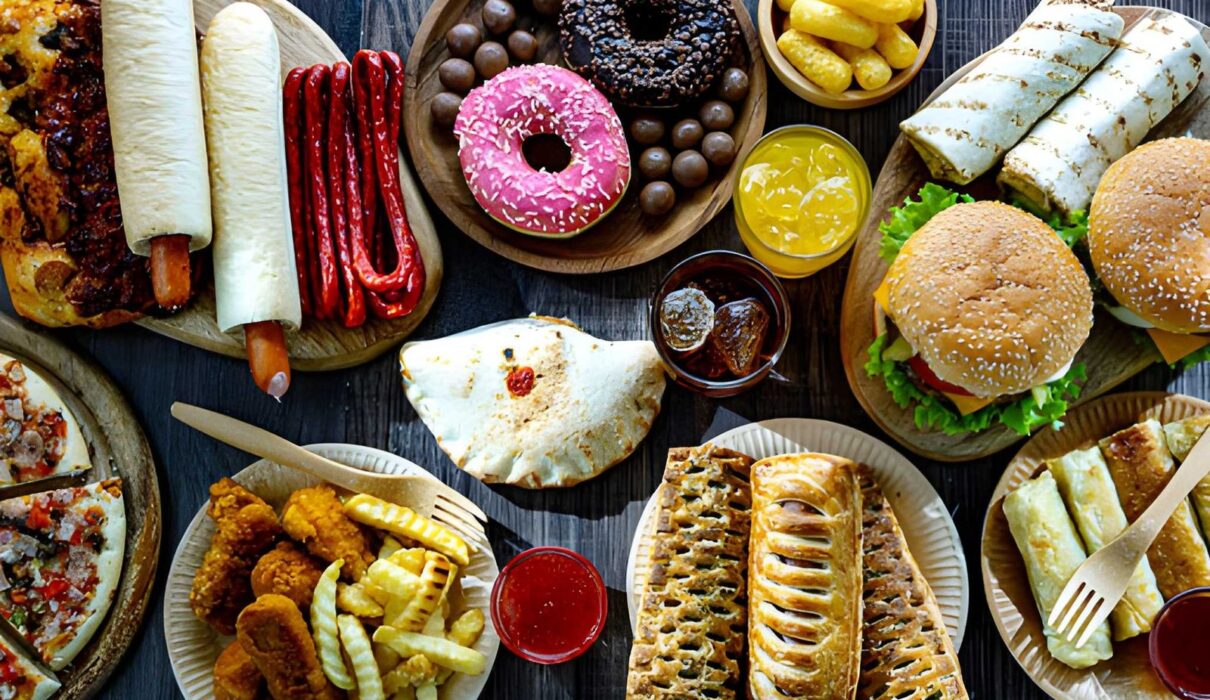
The same consensus comes from some of the more well-known authoritative sources when it comes to health (Harvard Health, Cleveland Clinic and Johns Hopkins): processed, sugar-laden, fried, processed foods can be some of the most inflammatory foods. The positive aspect of the anti-inflammatory dietary guidelines are that you do not need to be perfect.
It is about replacing mostly processed foods that cause inflammation with a real anti-inflammatory food; therefore, it is important to learn about what foods cause inflammation for different individuals, and how to substitute those foods with food options that taste good; and by doing this, many people will find that making healthier choices in what they eat becomes much easier, and is more enjoyable.
1. Sugar-Laden Beverages
Some of the most prevalent ways to load up on sugar and create an unhealthy diet are from the consumption of soft drinks, sugary tea, energy drinks, and pre-packaged juice beverages. While they may not help fill you up, they can result in extremely high blood sugar levels and a diet in flames when consumed regularly. Both Harvard University and The Cleveland Clinic agree that sugar-sweetened beverages are at the top of their lists when determining the best foods to eliminate from your diet due to their inflammatory properties.
What to Drink Instead: Water – You can substitute sugar-sweetened beverages with either plain water, sparkling water with lemon, or unsweetened iced tea. If you’re looking for flavor, then find flavored beverages with zero or low amounts of added sugar.
2. Refined Carbohydrates
Refined carbohydrates digest quickly and leave very little fiber once digested. For this reason, they are frequently found on lists of foods to avoid because of their inflammatory properties. For example, Johns Hopkins University states that white flour and pasta products should never be eaten, and Harvard University cautions against eating refined carbohydrates like white bread and pastries.
What to Eat Instead: Oats, brown rice, quinoa, whole grain bread, and whole wheat pasta. These foods contain higher levels of fiber than their refined counterparts, providing a higher level of energy, sustaining energy levels and better foundation on an Anti-Inflammatory Food List.
3. Fried foods
Deep-fried foods, such as French fries and fried chicken, as well as many appetizers at restaurants, can be problematic because they often combine unhealthy refined starches and oils, cooked at extremely high temperatures. For this reason, Harvard Health and Johns Hopkins both identify fried foods as one group of foods that are considered inflammatory, or that should be limited.
What to Eat Instead: Roasted potatoes, air-fried vegetables, baked chicken, grilled fish or oven baked sweet potato wedges. You can still enjoy comfort food. Just remember that you will drastically reduce the amount of inflammation that is associated with these versions of those foods.
4. Processed Meats
Bacon, sausage, hot dogs, processed deli meats and packaged lunch meats may be traditional favorites, but they often come loaded with excessive sodium, preservatives and saturated fats. Harvard and Johns Hopkins agree that processed meats are on the list of the worst foods when it comes to inflammation.
What to eat instead: Grilled chicken, turkey, salmon, tuna, beans, lentils and hummus. If you make sandwiches from any of these foods use the whole pieces of real protein instead of the processed slices.
5. Red meat, especially in large amounts
Many people can include steak or burgers in a balanced diet, but issues with eating large amounts of red meat and the frequency of eating red meat creates concerns. Eating red meats on a daily basis tends to replace more fiber as well as plant-based foods that are more nutritious for inflammation. Both Harvard and Johns Hopkins University list red meat as one of the main foods that causes inflammation.
What to eat instead: Fatty fish such as salmon or sardines, beans, lentils, tofu, and occasional lean poultry. These alternatives make it easier to build a more balanced anti-inflammatory diet without feeling deprived.
6. Ultra-processed snack foods
Snack foods like chips, packaged cookies, crackers, snack cakes, frozen meals, and many boxed desserts are engineered to taste really good, only for a short time, which is sometimes very easy to overeat. Anti-inflammatory dining guides such as the one found on the Harvard Health website have warnings against these types of processed foods in their quick-start guides, while also highlighting products available to consumers through grocery stores.
What to eat instead: Plain yogurt with berries, apple slices with nut butter, roasted nuts, air-popped popcorn, or homemade trail mix. These snacks still feel convenient, but they are far closer to the best anti inflammatory diet foods people actually stick with.
7. Trans fats and heavily processed fats
Trans fats are one of the clearest red flags on any inflammatory foods list. Although they are less common than they used to be, they can still appear in some packaged foods, baked goods, shortenings, and fried items. Harvard Health and Cleveland Clinic both call out trans fats and certain processed fats as foods that can fuel inflammation.
What to eat instead: Extra virgin olive oil, avocado, nuts, seeds, and foods prepared with minimally processed fats. These options fit much better into an anti inflammatory foods list and are easier to use every day.
8. Desserts and sweets with lots of added sugar
Candy, frosted pastries, cookies, sweet cereals, syrups, and many “treat” foods are not just about calories. The issue is how often they deliver a concentrated hit of sugar with very little protein, fiber, or micronutrient value. The Arthritis Foundation and Cleveland Clinic both note that added sugar is one of the most common foods that cause inflammation in the body.
What to eat instead: Fresh fruit, baked apples with cinnamon, dark chocolate in small amounts, or Greek yogurt with berries. That gives you sweetness with far more nutritional balance.
9. Alcohol
Alcohol is tricky because it is often treated like a social habit rather than a dietary choice. But regular or heavy intake can make inflammation harder to control, especially when it is paired with poor sleep, stress, and ultra-processed food. Recent food guidance articles and anti-inflammatory diet advice commonly place alcohol in the “limit” category rather than the “avoid completely” category for everyone.
What to eat instead: Alcohol-free sparkling drinks, kombucha with low sugar, or mocktails made with citrus and herbs. If you drink, keeping it occasional and moderate is the more realistic goal for most adults.
10. Fast food meals built around excess sodium, refined carbs, and fried items
Fast food is not automatically bad, but the typical combo meal is usually a perfect storm: refined buns, fries, fried protein, sugary drinks, and salty sauces. In other words, it bundles several of the worst foods for inflammation into one meal. That is why health organizations consistently recommend shifting toward whole, minimally processed foods instead.
What to eat instead: Grilled options, side salads, baked potatoes, fruit cups, or homemade bowls built with rice, vegetables, beans, and a simple protein. Even small swaps make a noticeable difference over time.
Helpful Tips for Eating in a More Anti-Inflammatory Way
A better plan is not to obsess over every ingredient, but to build a stronger default pattern. Think of your plate in terms of balance: more fiber, more color, more healthy fats, and fewer highly processed foods. That simple shift supports the same healthy eating pattern recommended by major medical centers.
A few practical habits help most people stay consistent:
- Choose whole foods for most meals.
- Read labels and watch for added sugar in sauces, cereals, and drinks.
- Swap white flour for whole grains when possible.
- Make fish, beans, and lentils regular protein choices.
- Keep snacks simple: fruit, nuts, yogurt, or vegetables with hummus.
If you only remember one thing, remember this: the goal is not to chase a perfect inflammatory foods list. The goal is to reduce the foods that repeatedly work against you and make room for the best anti inflammatory diet foods more often.
Conclusion
The biggest lesson here is refreshingly simple. The worst foods for inflammation are usually the most heavily processed ones: sugary drinks, refined carbs, fried foods, processed meats, ultra-processed snacks, trans fats, sweets, alcohol-heavy habits, and fast food meals that combine all of the above. The more often these foods show up, the harder it becomes to build a steady, balanced eating pattern.
The bright side is that you do not need a perfect diet to make progress. Small swaps can change the direction of your meals fast. Choose water over soda, oats over pastries, salmon over processed meat, and fruit over candy more often. That is how a realistic anti-inflammatory diet starts, and it is usually how long-term results happen too.
FAQs
1. What are the worst foods for inflammation?
The most commonly cited foods include sugary drinks, refined carbs, fried foods, processed meats, ultra-processed snacks, trans fats, and foods high in added sugar.
2. Are all carbs bad for inflammation?
No. Refined carbs are the bigger concern. Whole grains with fiber, like oats, brown rice, quinoa, and whole wheat, fit much better into an anti inflammatory foods list.
3. What should I eat instead of inflammatory foods?
Focus on fatty fish, vegetables, berries, legumes, nuts, seeds, olive oil, yogurt, and whole grains. Those are among the most reliable best anti inflammatory diet foods.
4. Do I need to cut out these foods completely?
Not always. For many people, the best approach is to reduce frequency, improve portions, and make healthier swaps most of the time rather than aiming for all-or-nothing rules.