

 By
By Introduction
Your gut does far more than simply digest food. It plays a major role in your immune system, energy levels, metabolism, and even your mood. In fact, scientists often refer to the gut as the “second brain” because of its deep connection with overall health.
When your digestive system is functioning well, you typically feel more energetic, comfortable after meals, and less prone to bloating or stomach discomfort. But when your gut microbiome becomes imbalanced, it can lead to issues like indigestion, fatigue, inflammation, and poor nutrient absorption.
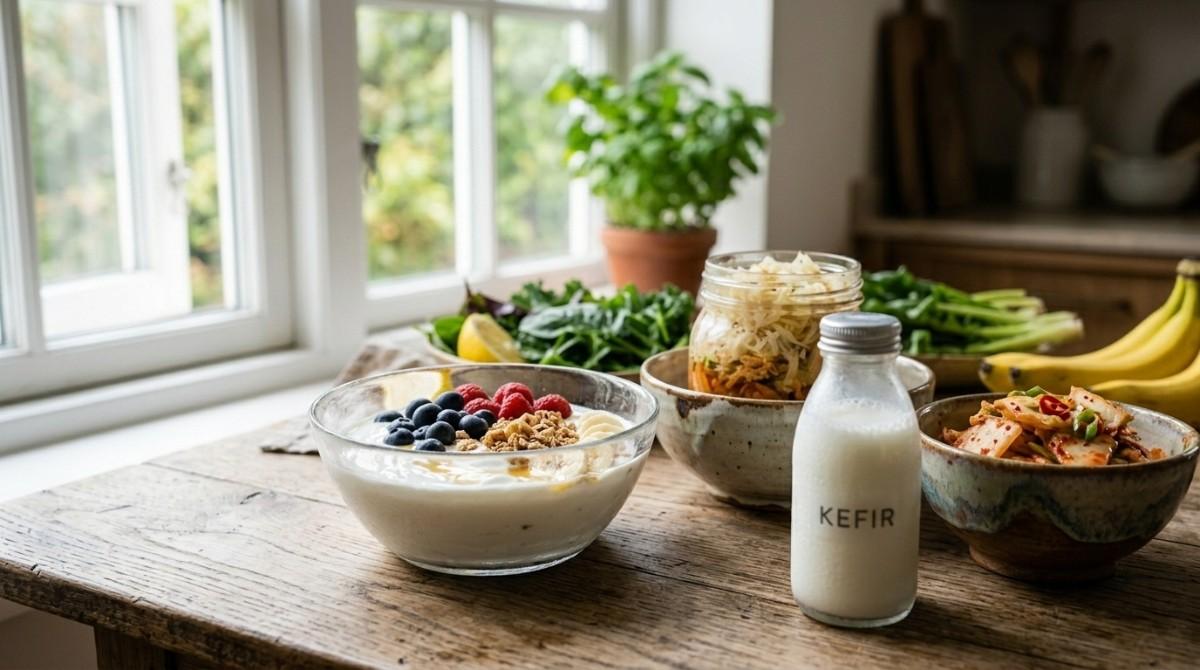
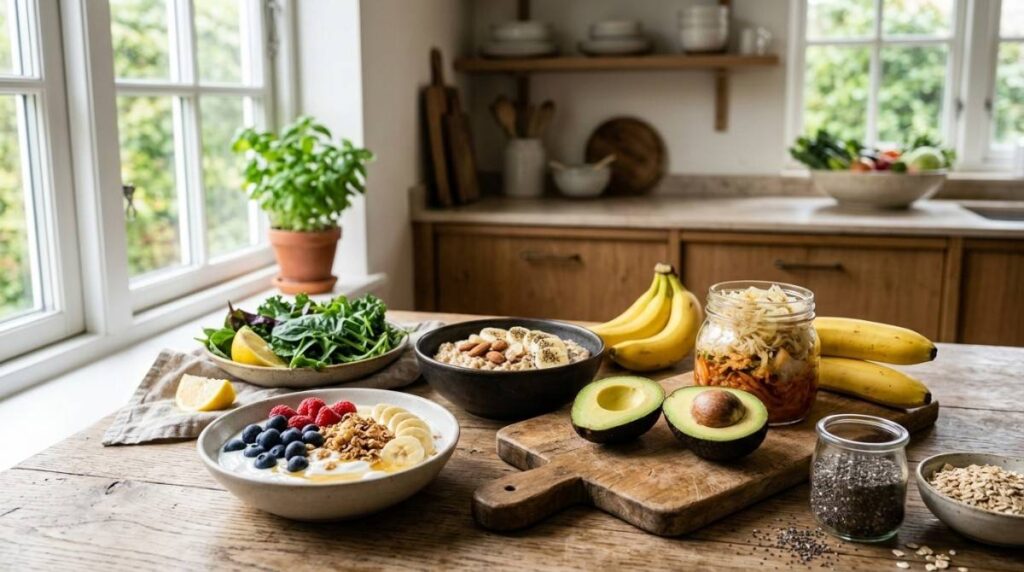
One of the most effective ways to support your gut is through the foods you eat every day. Certain natural foods contain probiotics, fiber, and nutrients that help beneficial bacteria thrive and keep your digestive system running smoothly. Below are 13 of the best foods you can add to your diet to naturally improve gut health and digestion.
Why Gut Health Matters for Overall Wellness

Before diving into specific foods, it’s helpful to understand why gut health is so important.
Your digestive tract contains trillions of microorganisms known as the gut microbiome. These bacteria help break down food, produce vitamins, regulate the immune system, and protect against harmful pathogens.
A balanced microbiome supports:
- Efficient digestion
- Reduced inflammation
- Strong immune function
- Improved nutrient absorption
- Better mood and mental clarity
When the balance of good and bad bacteria becomes disrupted, digestive problems often follow. That’s why eating gut-friendly foods regularly can make a significant difference in how your body feels and functions.
1. Yogurt
Yogurt is one of the most widely recognized probiotic foods, and for good reason. It contains beneficial bacteria that help restore balance in the gut microbiome.
Probiotics found in yogurt can support digestion by helping break down lactose and other nutrients more efficiently. This makes yogurt particularly helpful for people who occasionally experience bloating or mild digestive discomfort.
Choosing plain yogurt with live cultures is important because flavored varieties often contain added sugars that may negatively impact gut bacteria.
Regularly including yogurt in your meals can help support a healthy digestive environment while also providing protein, calcium, and essential vitamins.
2. Kefir
Kefir is a fermented dairy drink that is even richer in probiotics than most yogurts. It contains a wide variety of beneficial bacteria and yeast strains that help improve microbial diversity in the gut.
This diversity is important because different bacteria perform different functions in digestion and immune health. A more diverse microbiome is generally associated with stronger digestive resilience.
Kefir also contains enzymes that help break down food more effectively, which may make it easier to digest for some people compared to milk.
Many people enjoy kefir as a smoothie base or a refreshing drink alongside breakfast.
3. Sauerkraut
Sauerkraut is made from fermented cabbage and is packed with probiotics and fiber. During fermentation, beneficial bacteria develop that support gut health.
These bacteria can help improve digestion by assisting with the breakdown of food and promoting healthy gut flora.
In addition to probiotics, sauerkraut provides vitamin C, vitamin K, and antioxidants that support immune health.
Because it has a strong flavor, a small portion alongside meals is usually enough to provide benefits without overwhelming the dish.
4. Kimchi
Kimchi is another fermented vegetable dish that offers powerful digestive benefits. Traditionally made with cabbage, garlic, ginger, and chili peppers, kimchi undergoes fermentation that produces beneficial bacteria.
These probiotics can help improve the balance of gut microbes and support digestive health.
Kimchi also contains compounds that may help reduce inflammation and support metabolic health. Many people enjoy it as a side dish with rice bowls, stir-fries, or savory meals.
Its spicy and tangy flavor also makes it a unique addition to meals that might otherwise feel repetitive.
5. Bananas
Bananas are gentle on the digestive system and rich in a special type of fiber called prebiotics.
Prebiotics serve as food for the beneficial bacteria already living in your gut. By nourishing these microbes, bananas help strengthen the gut ecosystem and improve digestion over time.
They also contain potassium, which supports muscle function and helps regulate fluid balance in the body.
Because bananas are easy to digest, they are often recommended for people recovering from digestive upset or mild stomach discomfort.
6. Oats
Oats are one of the best sources of soluble fiber, which plays an important role in gut health.
This fiber forms a gel-like substance in the digestive tract that helps slow digestion and support beneficial bacteria growth. It also promotes a feeling of fullness and helps regulate blood sugar levels.
Eating oats regularly can contribute to improved digestive regularity and support the growth of healthy gut microbes.
A simple bowl of oatmeal with fruit, nuts, or yogurt can be an excellent gut-friendly breakfast.
7. Garlic
Garlic is often praised for its immune-supporting properties, but it also has impressive benefits for the digestive system.
It acts as a natural prebiotic, feeding the good bacteria in your gut and encouraging microbial balance.
Garlic also contains sulfur compounds that may help fight harmful microbes while supporting the growth of beneficial bacteria.
Cooking garlic into soups, sauces, and roasted vegetables is an easy way to add both flavor and digestive support to your meals.
8. Ginger
Ginger has been used in traditional medicine for centuries to support digestion.
It helps stimulate digestive enzymes and may assist in speeding up the movement of food through the digestive tract. This can reduce feelings of bloating and discomfort after meals.
Ginger is particularly helpful for people who experience occasional nausea or sluggish digestion.
Adding fresh ginger to teas, stir-fries, or smoothies can make it easier to incorporate into daily meals.
9. Apples
Apples are a great source of pectin, a type of soluble fiber that supports gut health.
Pectin acts as a prebiotic, feeding beneficial bacteria and promoting a balanced gut microbiome. It also helps support regular bowel movements by improving stool consistency.
Apples are convenient and versatile. They can be eaten fresh, sliced into salads, or baked into healthy snacks.
Keeping the skin on the apple is especially beneficial because much of the fiber content is located there.
10. Chia Seeds
Chia seeds are small but incredibly powerful when it comes to digestive support.
They absorb water and form a gel-like texture that helps support smooth digestion. Their high fiber content also feeds beneficial gut bacteria and supports regular bowel movements.
Chia seeds can easily be added to smoothies, yogurt, oatmeal, or overnight pudding recipes.
Because they are so nutrient dense, even a small amount can contribute to better digestive health.
11. Avocados
Avocados are rich in fiber and healthy fats, both of which support digestive health.
The fiber content helps nourish beneficial gut bacteria while promoting regular digestion. Meanwhile, the healthy fats help the body absorb fat-soluble nutrients from other foods.
Avocados are also naturally low in sugar and gentle on the digestive system, making them a great addition to balanced meals.
They work well in salads, sandwiches, smoothies, and even simple toast recipes.
12. Bone Broth
Bone broth has gained popularity for its potential digestive benefits.
It contains amino acids like glutamine that may support the integrity of the gut lining. This can be helpful for maintaining a healthy digestive barrier and supporting nutrient absorption.
Bone broth is also soothing for the stomach and easy to digest, making it a comforting option during colder months or when recovering from illness.
Drinking it as a warm beverage or using it as a base for soups can provide gentle digestive support.
13. Leafy Greens
Leafy greens such as spinach, kale, and Swiss chard provide fiber and plant compounds that nourish beneficial gut bacteria.
They also contain magnesium, which supports healthy muscle contractions in the digestive tract and helps maintain regular bowel movements.
In addition, leafy greens contain chlorophyll and antioxidants that support detoxification and overall digestive health.
Incorporating greens into salads, smoothies, or cooked dishes can help maintain a balanced gut environment.
Practical Tips to Improve Gut Health Naturally
While adding gut-friendly foods is important, consistency matters even more. Small daily habits can significantly improve digestion over time.
A few simple strategies include:
• Eat a variety of fiber-rich foods
• Include fermented foods several times per week
• Stay hydrated throughout the day
• Avoid excessive processed foods
• Eat slowly and chew food thoroughly
These habits help your digestive system function more efficiently and support a healthier gut microbiome.

Conclusion
Your gut health plays a foundational role in how your body feels every day. From digestion and nutrient absorption to immune strength and energy levels, the balance of your gut microbiome affects many aspects of overall wellness.
Fortunately, improving gut health does not require complicated diets or extreme changes. Simply incorporating more natural, nutrient-dense foods into your daily meals can help support a healthier digestive system.
Foods like yogurt, kefir, oats, bananas, leafy greens, and fermented vegetables nourish beneficial bacteria and help your digestive system operate more smoothly. Over time, these small dietary choices can lead to noticeable improvements in digestion, comfort, and overall health.
By making gut-friendly foods a regular part of your routine, you give your body the tools it needs to maintain balance, absorb nutrients effectively, and support long-term wellness.