

 By
By Introduction
Getting stable energy, fewer cravings, and stable day-to-day blood sugar levels are all issues for many people today. The solution, however, is not one “superfood.” The key is how you eat most of the time. Foods that are high in fiber, protein, and healthy fats will digest slower in your body and create less of an increase in blood sugar levels after eating than other foods.
According to the CDC, fibre does not create as large of an increase in blood sugar when compared to regular carbohydrates. In addition, when you eat carbohydrates with protein, fat or fibre, it creates a smaller increase in blood sugar levels than carbohydrates alone.
The types of foods that make up your diet can influence your ability to manage and maintain healthy blood sugar levels. Therefore, you will find it helpful to include whole, minimally processed foods as your primary sources of carbohydrates rather than quick-hit carbohydrates and sugary foods in order to achieve healthy blood sugar levels.
If you’re trying to maintain steady energy and reduce daily cravings, focusing on simple lifestyle changes can really help over time. Many people are now turning to natural ways to support better blood sugar balance to feel more consistent and in control throughout the day.
Both the American Diabetes Association (ADA) and Harvard Health emphasize the idea of eating higher-nutrient carbohydrates, incorporating high-fibre foods into your diet and preparing balanced meals (i.e., protein, fat and carbohydrates) as a way to support maintaining healthy blood sugar levels.
15 Foods to Eat Daily for Blood Sugar Support
1. Leafy Greens, Spinach
Some leafy greens, such as spinach and other varieties of green leafy vegetables, are very low in carbohydrates compared to other foods, high in volume, rich in nutrients (vitamins, minerals, and fiber) and are also very easy to consume on a daily basis. The American Diabetes Association (ADA) and the Centers for Disease Control and Prevention (CDC) both recommend using leafy greens like spinach and broccoli as one of the four basic types of foods to create blood sugar-friendly meals.
One of the simplest ways to consume leafy greens is to throw a handful of these types of vegetables into eggs, soups, salads, smoothies, and grain bowls with little effect on the taste. Therefore, leafy greens can be one of the easiest foods to support healthy blood sugar levels because they help you create larger, more satisfying meals with very little contribution to your glucose load.
2. Broccoli
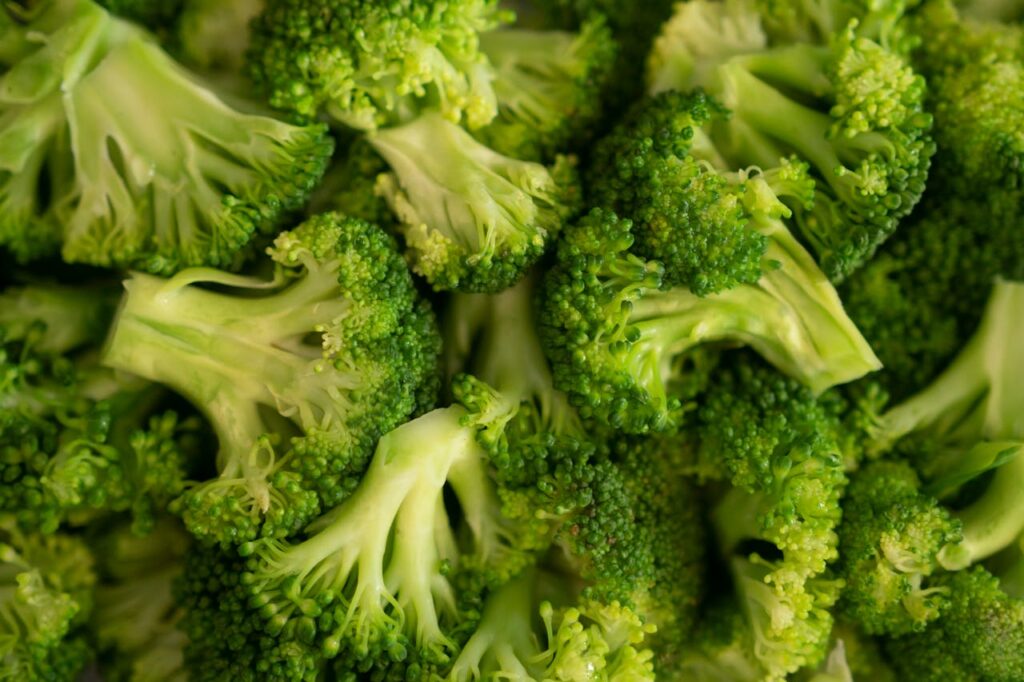
Broccoli should have a regular place on your plate because it has a lot of fiber, is mostly water, contains a great amount of nutrients, and has very few calories. The CDC shows broccoli is a non-starchy vegetable that can easily fit into a diabetes meal plan.
There are many cooking methods that work well to prepare broccoli, such as roasting, steaming or sautéing them in olive oil, and adding garlic. Broccoli also works well as a side dish or can be incorporated into a frittata, stir-fry, or soup. When using broccoli in your routine to consume vegetables that support healthy blood sugars, broccoli is another type of vegetable that can support healthy digestion in a very positive way.
3. Beans and Lentils
Beans and Lentils Are One of the Best Foods for Lowering Blood Sugar Naturally because they’ve got Both Fiber and Plant Protein Together in One Food! Both the ADA and CDC Listed Beans and Lentils As Smart Carb Choices, While Harvard States That Beans and Dried Peas Provide Soluble Fiber, Which Represents a Significant And Beneficial Way To Lower Blood Sugar Levels. In Addition, Beans and Lentils are Extremely Versatile!
Add Lentils to Soup, Add Black Beans To A Salad, Make Bean Chili for your Lunch / Dinner… For many who struggle with being on a Healthy Blood Sugar Diet, Beans Are the Type of Ingredient That Make Maintaining a Healthy Blood Sugar Diet Feasible Rather Than Difficult!
4. Steel-Cut Oatmeal
Oatmeal is a Common Breakfast Food for Many Reasons, Such as: Oatmeal is a Whole Grain, Contains Soluble Fiber, and Digests Slower Than Most Refined Cereals… According to the ADA, Oatmeal is Listed as a Higher Fiber Grain by The American Diabetes Association And Harvard School of Public Health States Oats are a Source of Soluble Fiber.
Because Steel-Cut Oatmeal Takes Longer To Digest Than Instant Oatmeal, They Are Very Useful for People Who Want to Support Their Blood Sugar Levels! Keep Your Bowl of Steel-Cut Oatmeal Simple (i.e. Oat Flakes/Appx 1/3 Cup, 1/8 Cup Unsweetened Milk or Yogurt, Nuts, and 1/2 Cup Berries)) – This will Give You A Balanced Breakfast And Will Prevent You From Getting a Quick Sugar Spike After Breakfast!.
5. Berries
There are different types of berries to enjoy, but all of them are considered low glycemic index fruits, which means they help control blood sugar and are a great option for people who want something sweet without high sugar levels.
Harvard Health.com states that if you consume your berries with healthy fats and/or high fiber foods, they will digest slower and not cause a spike in blood sugar.
Berries are high in fibre, antioxidants, and great nutrition and can be added to Greek yogurt, oatmeal, cottage cheese (cottage cheese is the best!) or a smoothie and this will add texture and flavor to your foods that promote healthy blood sugar levels and not make them boring!
6. Plain Greek Yogurt
Plain Greek yogurt is very healthy for many reasons including being high in protein without being loaded with sugar (especially if you buy unsweetened Greek yogurt). The American Diabetes Association (ADA) has recommended lower-sugar/Yogurt options (and suggested pairing with berries and walnuts promotes a healthy breakfast). The Cleveland Clinic has also listed Greek yogurt.
Remember to choose plain Greek yogurt (or Greek yogurt with lower-sugar added) versus the many flavors available to avoid eating dessert for breakfast.
Try adding cinnamon, chia seeds, walnuts or berries to plain Greek yogurt instead of using flavoured yogurts. This is a small – but HUGE – improvement to your blood sugar support plan.
7. Eggs
Eggs are an excellent source of lean protein and the CDC lists them as a lean protein option in their food guide while the ADA includes eggs in their protein food guide. The protein in eggs will help slow down the digestion process, allowing you to maintain steady glucose levels throughout your morning or between meals.
Eating eggs with vegetables and a small amount of whole grain for breakfast provides you with a more blood sugar friendly meal than eating pastries or high sugar content cereal. Additionally, eggs are convenient, inexpensive, and can be pre-prepared making them ideal for busy people on weekdays.
8. Salmon and Other Fatty Fish
Salmon is another good choice of lean protein to add to your weekly rotation since it provides you with a source of high quality protein and a source of healthy fat. The ADA’s protein food guide lists fish/seafood as a food category while the ADA’s plate method materials name salmon as one of their suggested lean protein options.
Fatty fish should not be eaten every day, however eating fatty fish regularly will help you maintain a blood sugar friendly diet and provide you with a satisfying feeling when you eat. When preparing salmon, serve it with non-starchy vegetables and a small portion of whole grains or starchy vegetables for a balanced meal.
9. Avocado
Avocados are an excellent food to support blood sugar because avocados provide healthy fats (monounsaturated) and high amounts of fiber but very few sugars. The American Diabetes Association (ADA) has identified the avocado as one of the healthy fat options. In addition, the Center for Disease Control (CDC) suggests that healthy fats be part of a healthy diet for individuals with diabetes.
Adding a couple of slices of avocado to the meal helps keeps you full longer and slows down how quickly your body digests carbohydrates eaten with the avocado. Avocado can be added to toast made with whole grain bread, salads, egg bowls, or grain bowls; this little fat boost improves the overall quality of the meal in terms of blood sugar stability.
10. Nuts
Nuts are some of the easiest foods to carry with you for support of blood sugar. No preparation is needed for nuts; they are a very portable food. According to the American Diabetes Association (ADA), an ounce of nuts contains healthy fats, magnesium, fiber, and helps manage hunger.
Almonds, walnuts, pecans, and pistachios all can be included in your blood sugar support routine. A handful of nuts, when consumed together with fruit, yogurt, or whole grain toast, create a snack that is much more stable than eating only carbohydrates.
If you’re looking for a simple way to maintain steady energy and reduce unwanted cravings, focusing on natural daily support can make a real difference. Many people are now exploring effective ways to support balanced blood sugar naturally as part of a healthier routine without overcomplicating things.
11. Chia & Flax Seeds
Although chia & flaxseeds are small, they offer huge amounts of nutrition! Walnut and flaxseed are recognized by the ADA and are solid sources of healthy fats & fiber. Both walnuts & chia/flax seeds, too, belong in the protein category of foods & as staple foods in diabetes meal planning.
Chia has a lot of uses. You can add them to oatmeal, yogurt, a salad, or even put them in a smoothie. Chia pudding is a delicious way to add fiber and texture while providing long-lasting energy without causing a significant spike in blood sugar. For these reasons, they are an easy choice for natural support for blood sugar levels.
12. Apples
Because apples are small & easily portable, they make excellent everyday fruit choices. Not only are they a filling snack due to their high-fiber (skin-on) content, but they also offer convenience.
The ADA recognizes apples to fall within the group of fruits/vegetables that have edible skins, whereas Harvard recommends eating fruit combined with protein or fat to slow digestion & prevent fluctuations of glucose levels caused by blood sugar spikes.
An apple & peanut butter combo is a classic example of an ideal snack combination that promotes blood sugar-friendly snacks and includes sweetness, fiber, & fats in one simple package. This type of practical snack selection/concept is what many people think about when searching for what to eat for blood sugar support.
13. Whole Grains Such As Quinoa and Brown Rice
Thoughtful portions of whole grains can be included in a blood sugar support plan. The CDC recommends whole grains, including brown rice, quinoa, and steel-cut oats; because of how they are produced (as starches and fibers), whole grains are classified as complex carbohydrates that result in gradual increases in blood sugar.
One common mistake people make is to avoid all forms of carbohydrates. The ultimate intention is not to eliminate carbohydrate sources but rather to consume slower digesting carbohydrate sources in the company of appropriate amounts of protein and non-starchy vegetables. This sustainable method of eating is far preferable to a rigid diet.
14. Tofu and Edamame
Tofu and edamame are excellent options for those seeking plant-based sources of protein without the added burden of excessive amounts of glycemic carbohydrates; thus, these foods are perfect for maintaining stable blood sugar levels.
Tofu is considered by the CDC to be a healthy source of animal protein; thus, both the American Diabetes Association and the CDC recommend these two sources of protein in their protein food guides.
Tofu and edamame can easily fit into a vegetarian plate; as a result, they can be incorporated into a wide variety of dishes, such as stir-fry, salads, grain bowls, and soups. For individuals who prefer to follow a more plant-based/whole food-oriented diet, both tofu and edamame provide a terrific way to include protein in the diet consistently.
15. Olive Oil
The ADA considers olive oil to be a healthy fat. It may be a fat rather than a carb or protein, but it can have an effect on your overall meal balance, as healthy fats can help you feel full and happy after eating.
The CDC’s advice on diet and diabetes also includes recommendations for healthy fats to be included in one’s diabetes-friendly diet.
You can use olive oil in salad dressings, for roasting vegetables, and for light sautéing.
Building a meal using olive oil, vegetables, protein, and a quality carbohydrate will typically result in a meal that is more complete and blood sugar-friendly than one that uses refined carbohydrates by themselves.
This will be the most practical method to follow a blood sugar supportive diet and maintain lasting habits.