

 By
By After a period filled with unhealthy choices, you may have been feeling generally “bad,” bloated, full, and/or sluggish as a result of overeating processed food, staying up late, and eating at weird times. Sometimes what’s needed to help us feel better again is an easy short-term reset for the system through a 3-day gut cleanse at home.
Unlike other detox programs that zap your system and don’t prepare you for how to create a detoxification program that works naturally through good nutrition, a three-day gut cleanse at home gives your digestive tract a break while using simple and easy-to-digest foods combined with consistent activity to help support what normally occurs in the body via the gut.
According to credible medical sources and other research, there is very limited evidence to support the claims made by detoxification and cleansing types of diets for helping to clean out your body from toxins, as your liver and kidneys perform these cleansing functions naturally.
What a 3-Day Gut Cleanse at Home Really Means
A natural home gut detox will not immediately “flush” your system of “toxins” or radically change your digestion; the goal of a gut detox should be to help your digestive system return to a more even-tempered state by allowing it to relax after experiencing too much stress.
There are three main ways to support your digestion and reduce bloating, according to organizations that specialize in health- do not eat processed foods, sugary foods, high-fat foods; drink adequate fluids; select fiber carefully.
Some people may benefit from this type of reset, including individuals who experience gas, bloating and fullness; however, it is most effective when utilized as a temporary, supportive routine rather than as a crash diet.
If you are trying to figure out how to effectively “reset” your gut health very quickly, the answer will almost always be through a number of very simple, common-sense behaviours over the next 3 days that create a regular pattern of similar meals, slower and more conscious eating, increased hydration and increased levels of light physical activity.
Who This 3-Day Plan Is Best For
Ideal for people with good overall health, who have pressure in their stomach due to eating too much food, travel, using too much takeout food or being out of their normal routine, this three-day detox is a great way to relieve accidental or unexpected bloating and digestive problems without resorting to extreme fasting, harsh teas, or very costly vitamins/supplements (if you wish to do a three-day detox in order to eliminate bloating and further improve digestion, this three-day detox is also available).
If you experience extreme abdominal discomfort, nausea, vomit blood, develop unexplained weight loss, experience lasting constipation, and/or feel bloated for an extended period of time, consult with a physician.
There are many different reasons why a person experiences their digestive symptoms; digestive reasons such as IBS, gastroparesis and/or food intolerance may require a more individualised approach than using the three-day detox.
The 3-Day Gut Cleanse at Home Plan
Day 1: Reduce the Digestive Load
The first day of your gut cleanse should be focused on easier digestion. To achieve this meal goal, eat foods that are warm, uncomplicated, and familiar to you. Meals should also be kept smaller than what you would ordinarily eat and avoid eating late in the evening.
NHS (UK) gut health recommendations advise checking in with yourself regarding how quickly you eat, overeating or eating too close to bed time.
A simple yet practical gut cleanse plan for 3-days is to reduce or eliminate the following five most common bloating foods and beverages (soda pop, liquor, greasy/high fatty snacks, pre-packaged/processed snack foods, and large portion-sized meals). Each of these types of food/beverage is associated with creating some degree of augmentation (bloating) and reducing the speed of digestion.
For meals, keep it simple:
- Breakfast: oatmeal & banana or oatmeal & mixed berries
- Lunch: veggie soup w/ rice or veggie soup & toast
- Dinner: baked salmon, chicken, or tofu; and serve that with cooked vegetables and a small amount of rice or potatoes
- Drink water (minimum) or herbal tea (throughout the entire day) or drink warm water (throughout the entire day).
When experiencing bloating, eating cooked meals (with less crunchiness and grease) helps make it easier on your stomach than if you were eating raw foods right now, and the focus on the first day shouldn’t be achieving “perfect nutrition”. The focus should only be on calming down your digestive system for that day.
Day 2: Fiber and Fluid Rebuilding
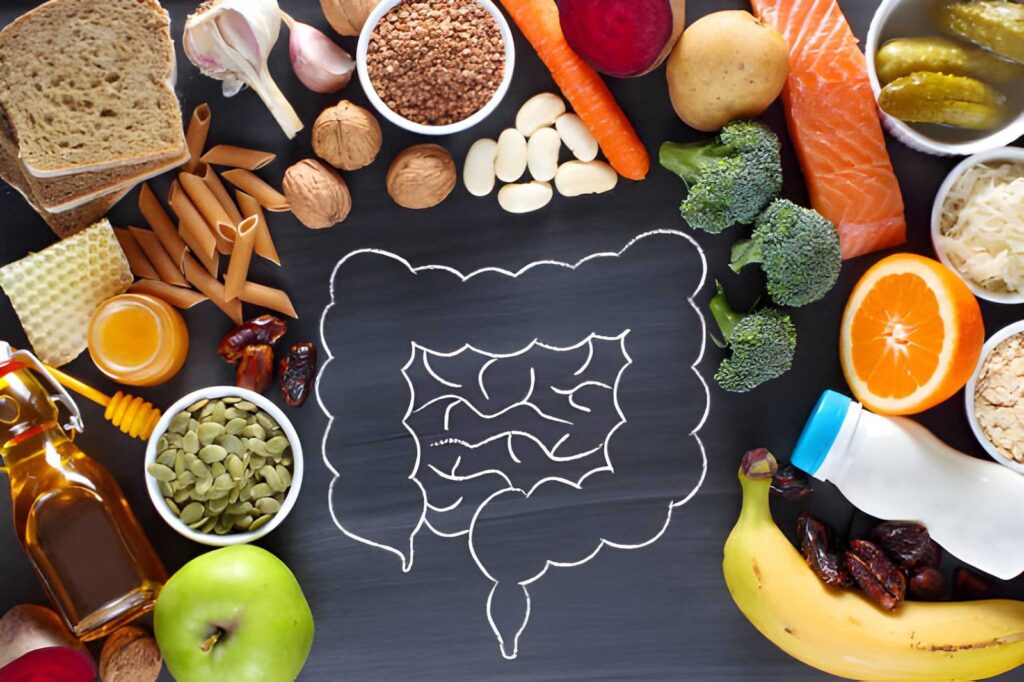
Day two of the 3-day gut cleanse at home will help you out with achieving regularity. Fiber will help you achieve regular bowel movements, but the key is to gradually add fiber. Taking in too much fiber too quickly can lead to gas and bloating, according to the NIDDK, so it is generally best to start slow with fibers, especially if you currently have a sensitive stomach.
On this day be sure to include, if tolerated, foods like oats, fruits, vegetables, and small amounts of seeds or whole grains. The NHS guidelines for digestion recommend fiber-rich foods for digestion including oats, wholemeal bread, fruits, vegetables, beans, and brown rice. If beans or lentils give you gas, keep the sizes of these food items small or save them for later in the week.
Hydration is as important as fiber. Water helps the fiber function and also makes stool softer than without water, which makes it easier to pass. If you are consuming fiber but not consuming enough water, you could possibly be experiencing more discomfort than you otherwise would.
A simple example of how a menu may look for day-two would be:
- Breakfast: Oatmeal made with chia or flax, plus fruit
- Lunch: Rice has cooked vegetables and lean protein
- Snack: Yogurt or kefir if you can tolerate dairy, or a piece of fruit
- Dinner: Soup and roasted vegetables and potatoes or quinoa
If you have bloating issues, you may want to consider a gentler method to deal with it. Some health providers recommend avoiding any particular foods that cause bloating such as; oats, linseeds, cabbage, broccoli and onion along with large amounts of beans; but these guidelines will depend on who you speak with. Many people will likely follow these recommendations as part of a natural gut detoxifying at home.
Day 3: Stabilize and Observe
The change in focus for Day 3 is from resetting the body to becoming aware of the things that help the body function normally. This part of how to reset your gut health quickly is very beneficial because you will be able to discover what your body responds well to and what your body does not respond well to, rather than just what appears to be healthy on paper.
The NIDDK (National Institute of Diabetes and Digestive Kidney Diseases) recommends keeping track of your food intake and symptoms using a food/symptom journal when you experience gas or bloating symptoms frequently. Doing so can help you identify foods that can trigger these types of symptoms in your body more clearly.
The meals you eat on Day 3 should still be balanced, but you can try to add some additional foods (more variety), as long as you are feeling well. You should not go too quickly back into heavy meals, high-sugar desserts, or large portions, as this is one area where many people tend to undo all the benefits they have received from the reset.
In addition, Day 3 is a great day to pay attention to whether your symptoms get better when you:
- eat smaller meals
- eat fewer snacks
- drink more fluids throughout the day
- eat more slowly
- take a brief walk after meals
Gentler movements (i.e. walking, doing yoga, or performing low-intensity stretching) can help the body move gas that may be stuck in your intestines along. Both the NHS and hospitals recommend doing any of the above; the same is true for alleviating bloating and/or preventing constipation.
What are some simple tips to improve your results?
If you want to experience real success with your gut reset diet for beginners, the simple habits you develop will outweigh any of the latest fads! For instance, try eating slowly and chewing your food well before swallowing. Don’t lie down for at least two (2) hours after eating, and try eating reasonable portion sizes! These three (3) basic habits will create less air being swallowed and will allow for an easier digestive process as well.
Other simple things that will really help:
- Drink plenty of water throughout the day.
- Try to avoid carbonated drinks and heavy alcoholic beverages during the 3 days.
- Add fiber gradually, and not all at once (introduce new fiber every 2 to 3 days).
- Go for a 10 to 20-minute walk after each meal.
- Make sure your last meal of the day is eaten at least 3 hours before bedtime.
What Not to Do During a Gut Cleanse
During your Gut Cleanse, you should stay away from all types of harshly laxative style cleanses and detoxification products that claim a miracle result, as per NCCIH. Although researchers are still studying both detoxes and cleanses, they haven’t found sufficient good quality research supporting detox/cleanse products, therefore, you should stick with proven and safe behaviours rather than the dramatic claims of other people.
Another common mistake when attempting to cleanse the intestinal tract is to eat too much fibre all at once. Most people think that more fibre means better digestion will occur – however, overdoing it in one day will result in excess gas and discomfort in the stomach, thus making a gentler (beginner friendly) approach more sustainable compared to aggressively cleansing in one day.
Conclusion
Setting up a simple, gentle, and realistic 3-day gut cleanse at home will allow an individual to achieve optimum results. The primary objective is not to “detox” your body; since detoxification is already managed by the liver and kidneys.
The actual aim is to provide your gut with less stress so that it can relax down and reduce the amount of inflammation that may be happening in your belly. By re-establishing habits that support good digestion, you can find your belly no longer feels puffy, you have more regularity, and you know what your digestive system actually craves.
When designing a clean diet for beginners, the best recipe is simply to eat lighter meals, drink plenty of water, increase the amount of fiber eaten over time, limit highly processed foods, and get some exercise every day. When properly accomplished, a gut cleanse can leave you feeling less bloated and more aligned to the needs of your digestive system.
FAQ
1) Is it safe to perform a three-day gut cleanse at home?
The chances are that for most healthy adults, the safest way to do a three-day gut cleanse is to have a gentle reset based on eating normal foods, drinking enough water, and getting mild exercise. Avoid anything that is very harsh or very restrictive, and if you have digestive problems or a medical condition, talk to your doctor.
2) Which foods are best for reducing bloating during a gut cleanse?
Foods that are generally easier to digest tend to be the best choices. Examples of foods that may help to reduce bloating while doing a gut cleanse are: oats, rice, cooked vegetables, bananas, soup, potatoes, and lean proteins. There are also a number of health recommendations that suggest staying away from carbonated beverages, large fatty meals, and high-processing foods.
3) Will I lose weight in three days?
Although you may feel lighter if the bloating and water retention in your body has decreased, this does not mean that you have lost any long-term fat; therefore, a three-day reset should be viewed as an opportunity to revisit your eating habits and have your digestive system re-booted in preparation for creating better eating patterns for yourself.
4) When is it appropriate to see a doctor?
If your bloating does not go away or is severe, or if you are experiencing any of the “red flags” such as vomiting, passage of blood in your stool, unexplained weight loss, severe pain, etc., you should see your physician. If you have ongoing symptoms, there may be some medical condition that you will need to have assessed by a physician.