

 By
By Do you want that radiant glow to be naturally yours? The types of food you eat can be just as important as the creams you put on your skin.
Dermatologists all agree that by eating a diet full of skin nourishing foods, you can improve your collagen production, keep your skin moisturized, and reduce free radicals that harm your skin, too. The best way to have radiant skin is to provide your body with the proper foods rather than relying on just creams.
As stated in the 2024 Review of Nutritional Dermatology, Skin Nutrient Content (including Vitamins A, C, E, Omega-3, Zinc, and more antioxidants) are a significant contributor to skin health.
In essence, eating correctly can make a big difference in how your skin appears. Here’s your guide with 10 types of dermatologist-recommended foods that are filled with nutrients that create healthy, glowing skin.
1. Fatty Fish (Salmon, Sardines)

Fatty fish, including wild salmon, are a great source of omega-3 fatty acids, which help keep your skin supple and moisturized. Omega-3 fatty acids support the lipid barrier of the skin, keeping the skin hydrated and reducing inflammation.
Fatty fish can help reduce dryness, treat redness from acne or rosacea, and other skin conditions. In addition to omega-3 fatty acids, fatty fish are a good source of protein and vitamin D, both of which are critical for skin cell repair. One study found that including fatty fish (like salmon) in a diet with a lot of leafy greens and whole grains was sufficient to meet all the daily nutritional needs for healthy skin.
To preserve the most nutrients, cook fatty fish simply by grilling or baking with olive oil, herbs, and spices. Eating fatty fish at least two times weekly will increase skin hydration, improve skin elasticity, and may help protect the skin from the harmful effects of the sun (UV damage).
2. Avocado
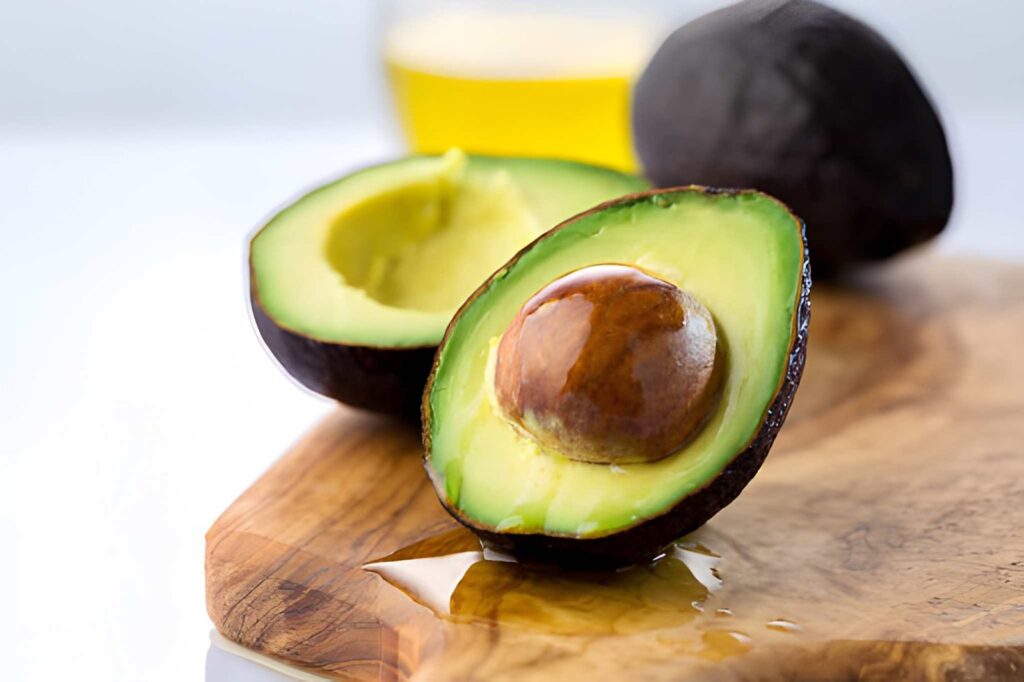
Because they include healthy fats, vitamins, and antioxidants in one delicious creamy package, avocados are frequently referred to as a “superfood” for your skin. They have a lot of monounsaturated fats, as well as Vitamin E and Vitamin C, which protect your skin from damage and help keep it elastic.
A clinical trial found that eating one avocado per day for eight weeks produced improvements in skin firmness and elasticity in healthy women. The fatty acids in avocados also help to maintain moisture and repair damage to the skin.
Incorporate mashed avocado on top of whole-grain toast, use sliced avocado in salads, or blend them into smoothies. Eating an avocado each day can help your skin stay flexible, hydrated, and radiant from within.
3. Nuts & Seeds (Almonds, Walnuts, Flaxseeds)
When you consume a small quantity of nuts or seeds, they provide many skin benefits. Walnuts and almonds are rich in vitamin E, an antioxidant that protects your skin cells from damage caused by free radicals.
Both types of nuts also contain essential fatty acids necessary to help strengthen the natural moisture barrier of your skin. Walnuts are one of the few types of nuts that contain omega-3 fatty acids, which reduce inflammation within the body. Flaxseeds and chia seeds also provide a source of omega-3s and include some fiber.
Nuts and seeds also contain high levels of zinc and copper – two minerals that function as cofactors in the production of collagen. Collagen is a protein that helps keep your skin looking young and firm. You can sprinkle some chopped nuts onto your oatmeal or yogurt, and you can add ground flaxseed to cereals and smoothies.
Regular snacking on nuts and seeds could help support collagen production, reduce fine lines, and improve the overall condition of your skin.
4. Berries (Blueberries, Strawberries, Raspberries)
To keep skin looking good, eat berries to supply the skin with nutrients such as Vitamin C and polyphenols, which help prevent oxidative damage. As an added benefit, dermatologists often recommend eating berries because their antioxidants also provide protection to skin cells against damage that may be caused from exposure to UV rays and pollutants. By consuming blueberries (for example), you will benefit from the anthocyanins contained within them, which benefit skin through helping maintain collagen and improving the appearance of skin.
The Vitamin C found in the berries is also helpful because it is necessary for making collagen for the skin; therefore, you can think of Vitamin C as “nature’s glue” for your skin. Consume a cup of mixed berries as part of your daily diet as a sweet snack or add to your breakfast (cereal) or salad. Eating more berries will help you maintain radiant looking skin through stimulating collagen synthesis, reducing inflammation, and evening out skin tone.
5. Leafy Greens (Spinach, Kale, Swiss Chard)
Dark leafy greens are inside sources of beneficial nutrients for your skin all in one bite. leafy greens including things like spinach and kale contain Vitamins A, C and Chlorophyll. Vitamin A (via beta-carotene) aids in skin cell turnover and repair – keeping your skin from becoming dry or flaky.
Vitamin C, also present in leafy greens, continues to build collagen in the skin, thereby helping reduce signs of aging. Chlorophyll, which also contributes to skin health by being both an antioxidant and detox agent, works to help clear the skin internally.
One dermatological resource states, “Colorful fruits and vegetables provide powerful antioxidants that reduce signs of aging.” Add a serving of leafy greens such as spinach or kale to your smoothie, an omelet, or a salad. By eating leafy greens daily you help to attain an even complexion and possibly help eliminate dullness over time.
6. Orange & Yellow Vegetables (Carrots, Sweet Potatoes, Pumpkin)
The orange-yellow veggies provide beta-carotene (vitamin A), which is critical for skin health. The body converts beta-carotene (an antioxidant) into vitamin A, which helps repair skin cells and protects from sun damage. Carrots and sweet potatoes have the highest levels of beta-carotene, with a medium baked sweet potato offering more than 100% of the daily requirement of vitamin A.
Vitamin A helps keep skin cells healthy and supple and can reduce the appearance of aging (wrinkles). Orange and yellow veggies also contain vitamin C and other antioxidants. Roasted sweet potato cubes and steamed carrots served regularly are great choices. Experts in nutrition recommend these foods because they help to improve skin texture and provide a natural glow.
7. Tomatoes and Bell Peppers
Tomatoes and bell peppers are other excellent dermatologist skincare foods, and they’re colorful – red and orange – so you know they’re good for you.
These two vegetable fruits are great sources of vitamin C and contain high levels of carotenoids, including the carotenoid lycopene, which is known to improve skin health. A large amount of vitamin C also has a strong impact on collagen production and helps reduce your body’s inflammatory response.
Lycopene (particularly tomatoes) also helps protect the skin from UV damage, as well as free radical damage. For instance, one cup of raw red bell pepper contains over twice as much vitamin C as an orange does, while cooked sauces with tomatoes will have even more bioavailable amounts of lycopene and other carotenoids.
By including these two vegetables with skin health-promoting properties into your diet on a regular basis, you can maximize your skin’s ability to be resilient. Snack on raw bell peppers, use tomatoes in salads, and incorporate them into your cooking on a regular basis. Over time, these colourful vegetables will protect your skin from both the sun’s rays and help maintain a smooth and radiant appearance.
8. Yogurt and Kefir (Fermented Dairy)
The benefits of probiotics do not stop at healthy guts; they can also provide benefits for your skin. For example, the live cultures found in fermented food items such as yogurt and kefir can promote a healthy gut microbiome. New studies are linking gut health with issues related to skin, or more commonly known as the gut-skin axis. A healthy gut can help to reduce inflammation and may assist with acne and eczema.
In addition to probiotics, yogurt contains proteins and nutrients such as zinc and vitamin B-5, which are beneficial to skin repair. Plain, unsweetened yogurt or kefir topped with fresh fruit and honey are a good source of hydration, because they also contain water and electrolytes to keep the skin looking fresh and clear.
By introducing fermented foods into one’s diet, you will establish a diet pattern that is beneficial to your skin from the inside out and will also complement topical skin care.
9. Green Tea
Switching from your regular afternoon latte to green tea will greatly improve your skin. The antioxidants or EGCGs in green tea defend against UV damage and help to reduce inflammation. Regular consumption of green tea will hydrate your skin and support its natural repair process. One study has shown that eating foods high in polyphenols, like green tea, may reduce the aging of the skin.
To reap the benefits of green tea, brew loose-leaf green tea in hot water for a few moments and drink it either hot or cold. Drink 1-2 cups daily! The anti-inflammatory properties of green tea can help reduce redness and give your skin a smoother, healthier, youthful appearance without extra calories or sugars. (Also, you’ll get the added benefit of some caffeine to give you energy!)
Actionable Tips for a Skin-Healthy Diet
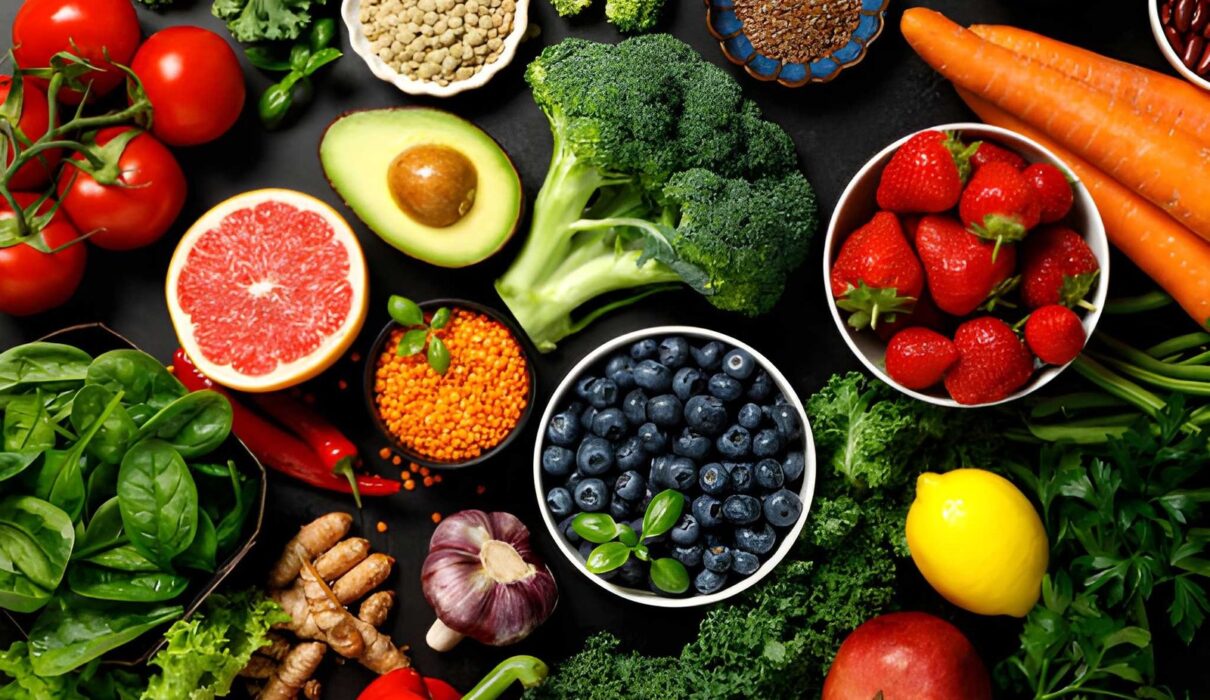
- Eat the rainbow: Include colorful fruits and veggies every day to load up on different antioxidants (berry-red, leaf-green, carrot-orange, etc.).
- Prioritize healthy fats: Add avocado slices, nuts, seeds, or a drizzle of olive oil to meals for essential omega-3s and vitamin E that lock in moisture.
- Limit sugars and refined carbs: High-glycemic foods and excess sugar can fuel inflammation and acne. Choose whole grains and naturally sweet foods (fruit) instead.
- Stay hydrated: Drink plenty of water daily. Proper hydration helps flush toxins and maintain skin elasticity, giving you a fuller, dewy complexion.
- Listen to your body: Everyone’s skin reacts differently. If a food seems to trigger breakouts or irritation, experiment by reducing it and notice changes.
Conclusion
The inclusion of these ten dermatologist-recommended essential nutrient diets will assist in your quest for glowing and youthful skin from the inside. Such nutrients provide critical vitamins, antioxidants, and fundamental fats required to develop collagen, reduce inflammation, and preserve skin cells.
In general when you eat well your skin issues will improve naturally (such as reducing breakouts and redness while enhancing complexion). It is important to note that nutrition is just one factor in the process of healthy skin; there are also other essential components (the combination of skin regimen and nutrition) to have vibrant and youthful-looking skin.
In addition to expert lists on what foods promote healthy skin; research conducted at leading skin treatment facilities has been used to compile this list, including studies that have looked at the effects of vitamins A, C, and E, as well as the effects of omega-three fatty acids; the foods that contain a lot of antioxidants; like avocados will improve firmness in your skin over time.
Therefore according to today’s dermatology specialists and nutrition experts there are many colorful fruits and vegetables along with healthy fats that will help you maintain a youthful or youthful-looking skin through a healthy diet plan.