

 By
By Introduction
As women approach their forties, the effects of food on the body begin to change. Foods that may have been beneficial to your energy levels, weight management, and digestion may not feel the same any longer.
There are many factors that contribute to these changes including: changes in appetite, lighter sleep, longer recovery from exercise, and more bloating and joint stiffness than you experienced before.
One reason why an anti-inflammatory diet meal plan may be so valuable during midlife is due to increased levels of low-grade inflammation in your body as you enter menopause and as a result of declining levels of estrogen.
However, you will not be able to fix these symptoms with a restrictive diet or complicated detox.
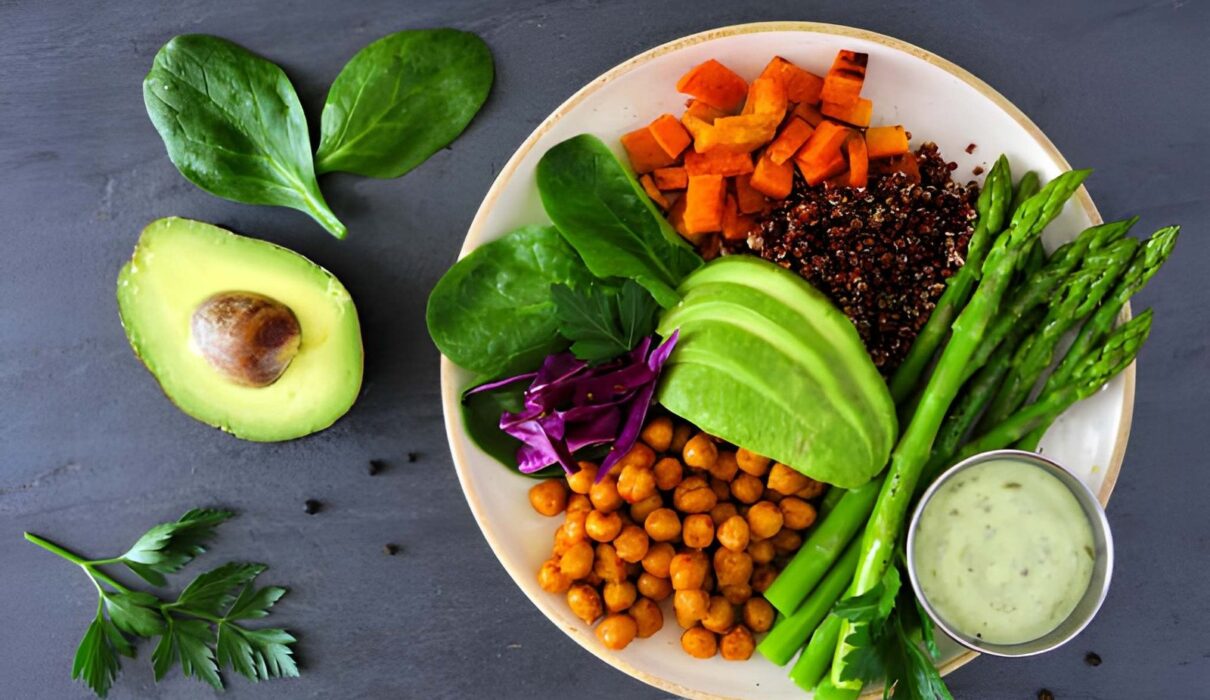
The most effective way to address these symptoms naturally and safely is by incorporating whole, nourishing foods such as: a rainbow of vegetables, fruits, healthy fats (nuts, olive oil), legumes, fish, herbs, and lean protein into your daily diets.
According to experts from Harvard Health and Mayo Clinic, the Mediterranean-style approach to eating is one of the most effective methods for reducing inflammation and supporting long-term health.
Why an Anti-Inflammatory Meal Plan Matters After 40
Online there are always so many references to ‘anti-inflammatory‘, however the concept itself is really simple – eat more of foods that your body can really use effectively and avoid eating foods high in processing. The general rule is that you’re going to see an increase in your intake of whole foods, such as fruits, vegetables, whole grains, legumes, olives, nuts and seeds, olive oil, fish and most herbs.
The amount of fiber (soluble and insoluble), omega three fatty acids, polyphenols and other anti-inflammatories help the body have a better inflammatory response to inflammation and injury.
For women in their 40s this is increasingly important because there are also changes happening at this time in terms of insulin sensitivity, energy levels, sleep quality, etc… and so on.
The anti-inflammatory diet that helps with hormones for women over 40 isn’t going to solve problems overnight but rather helps you to develop meals that are better balanced and therefore are more satisfying to eat. In addition, when you use good quality protein sources such as fish, chicken, soy, legumes, nuts and whole grains you will experience improved strength and greater feelings of fullness.
What This 7-Day Plan Focuses On
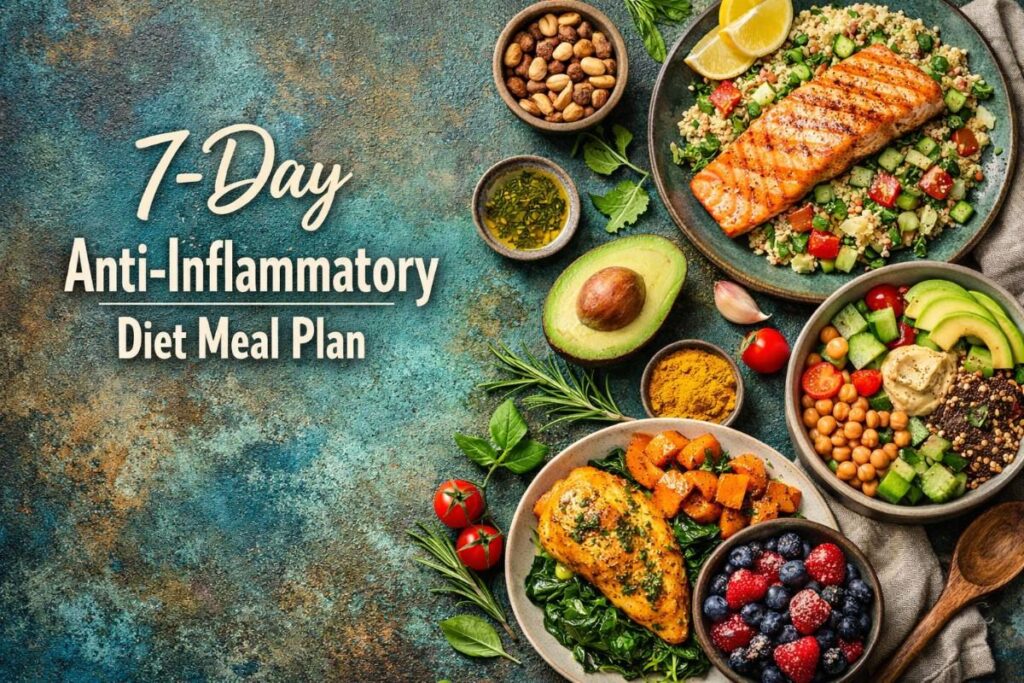
The following anti-inflammatory meal plan for women is created using some basic guidelines: include protein at every meal; add a variety of vegetables, fruits, beans, whole grains (including oats and wheat), and additional sources of phytochemicals (e.g. legumes); and use healthy fats (e.g. olive oil and avocado) with an emphasis on providing variety in your diet. Together these elements produce nutritious balanced meals rather than haphazard selections.
In addition, the plan is based upon the premise of the Mediterranean diet, which the Mayo Clinic describes as consisting largely of vegetables, fruits, whole grains, beans, nuts, olive oil, herbs/spices, fish, poultry, and limited amounts of red meat.
7-Day Anti-Inflammatory Diet Meal Plan for Women Over 40
Below is a simple 7 day anti-inflammatory meal plan for women that is easy to follow, easy to grocery shop for, and easy to repeat.
- Day 1
Breakfast: Greek yogurt with blueberries, chia seeds, and walnuts
Lunch: Salmon salad with leafy greens, cucumber, tomato, and olive oil dressing
Dinner: Grilled chicken, quinoa, and roasted broccoli
Snack: Apple slices with almond butter - Day 2
Breakfast: Oatmeal topped with berries, flaxseed, and cinnamon
Lunch: Lentil soup with a side salad
Dinner: Baked cod, sweet potato, and sautéed spinach
Snack: A handful of mixed nuts - Day 3
Breakfast: Eggs with avocado and sautéed greens
Lunch: Turkey and hummus wrap in a whole-grain tortilla with carrots
Dinner: Shrimp or tofu stir-fry with brown rice, peppers, and ginger
Snack: Berries or plain kefir - Day 4
Breakfast: Smoothie with spinach, frozen berries, Greek yogurt, and flaxseed
Lunch: Quinoa bowl with chickpeas, cucumber, tomato, feta, and olive oil
Dinner: Salmon, asparagus, and wild rice
Snack: Celery with tahini - Day 5
Breakfast: Chia pudding with raspberries and pumpkin seeds
Lunch: Bean and vegetable salad with avocado and lemon dressing
Dinner: Turkey meatballs with marinara, zucchini, and whole-grain pasta
Snack: Dark chocolate and walnuts - Day 6
Breakfast: Scrambled eggs with mushrooms and tomatoes
Lunch: Tuna salad over mixed greens with olive oil and lemon
Dinner: Chickpea curry with cauliflower and brown rice
Snack: Orange slices or cucumber with hummus - Day 7
Breakfast: Oats with banana, walnuts, and cinnamon
Lunch: Mediterranean chicken plate with cucumbers, olives, tomatoes, and hummus
Dinner: Vegetable soup with beans and whole-grain toast
Snack: Kiwi or berries
Eating with this approach can be effective for an Anti-Inflammatory Diet Plan For Weight Loss Women Over 40 because the meals are filling and high in fibre, while also being lower in ultra-processed food. Additionally, this style of eating supports a calm and steady rhythm and prevents feelings of constant hunger due to overly restrictive diets.
Beginner’s Weekly Anti-Inflammatory Meal Prep Plan
A Beginner’s weekly anti-inflammatory meal prep plan should be as simple as one shopping trip and one prep day. If you prepare enough ingredients at once to mix & match each day, it is easy to follow Mediterranean-style meal prep plans. The flexibility of this type of cooking allows the beginner cook to feel more at ease.
How To Start Out With These Basics:
- Roast two trays of vegetables (broccoli, carrots, zucchini, peppers).
- Prepare one grain (quinoa, brown rice, oats).
- Prepare 2 proteins (salmon, chicken, tofu, eggs, lentils).
- Wash the fruit/greens so they’re ready to use.
- Make a simple dressing using olive oil, lemon, garlic, and herbs.
Now there is enough to take a crazy week & make it easier. When you have healthy foods that have been prepared ahead of time, you will have more success following through with your diet plan.
Some useful strategies for ensuring your anti-inflammatory program succeeds
Plan anti-inflammatory meals so they complement your lifestyle; if mornings are busy try keeping breakfast straightforward, easy to repeat. Looking for ways to address your afternoon cravings are simple: center your lunch around protein and fibrous food rather than simply having salad that will leave you with no energy.
Harvard suggests at least two servings of fatty fish per week along with five servings of fruits and vegetables daily are a reasonable goal for women during menopause.
In addition, consider what you’ll try to eliminate, not just what you’ll be adding to your diet. Diets with a lower inflammatory factor have fewer sugary drinks, less refined carbohydrate, no processed meats and minimal to no ultra-processed snack foods. According to the Cleveland Clinic, these types of food are linked to causing inflammation; whereas whole foods or minimally processed foods are generally healthier options for any meal.
FAQ
1. What’s the best breakfast for the anti-inflammatory diet?
An anti-inflammatory breakfast consists of a combination of protein, fiber, and healthy fat. Items such as Greek yogurt topped with berries and walnuts; oatmeal topped with flaxseed; or eggs served with avocado and an array of leafy greens are all good examples of an anti-inflammatory breakfast food choice. All of these meals consist of typical foods found in the typical recommendations of anti-inflammatory diets.
2. Will a diet like this help with menopause symptoms?
It will help to provide more consistent energy levels, reduce hunger pangs, and increase your overall level of nutrition during menopause if followed. The results of the research review have shown that women going through the menopausal phase of life will benefit from a quality dietary pattern consistent with a Mediterranean-style diet as well to experience the menopausal transition.
3. Will I lose belly fat with this type of diet?
No diet will directly target belly fat, but if you adopt a diet that is high in protein, healthy fats, and fiber – like the Mediterranean-style diet – it most likely will improve your body composition as a whole. There is significant research showing that the Mediterranean-style diet has positive body composition effects in women going through menopause.
4. What is the best way to start?
Start by creating a weekly meal plan built on a small number of items that you can repeat over the entire week. Foods such as salmon, eggs, oats, berries, beans, leafy greens, olive oil, and brown rice or quinoa can serve as the foundation of a simple yet effective anti-inflammatory diet for you while allowing you to create a plan that is sustainable for you moving forward without overwhelming you with too many choices.