

 By
By Introduction
If you’ve ever had a painful, stiff or swollen knee you already understand the impact this situation has had on your daily life. Activities such as walking upstairs, standing for long periods of time, and even getting out of bed can all become major obstacles. As a result many individuals begin searching for home remedies and natural methods of treating knee inflammation and to provide support for the joints.
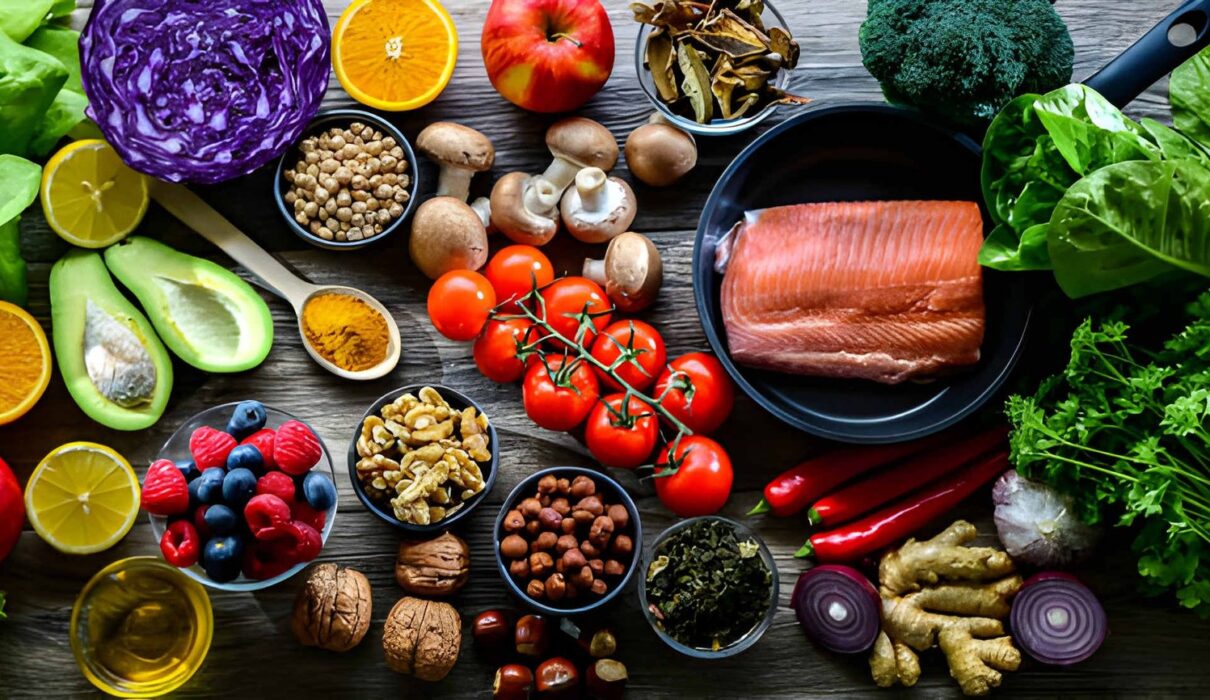
The reality is that certain types of foods can have a positive effect in this area. A diet high in fruits, vegetables, legumes, whole grains, fish, seeds, nuts, and olive oil has been shown to consistently promote lower levels of inflammation. Many of these foods also have a positive effect on both joint health and the control of weight. Since weight has a direct impact on the amount of force placed on the knees while they bear weight, this is an important consideration.
It’s important to realize that food alone will not cure knee pain. However if you’re looking for foods that are both anti-inflammatory and practical, a balanced nutritional program that includes these types of foods over time can have a significant positive effect for your knee pain. An effective long-term strategy for supporting your body with respect to the best nutrition program for joint inflammation is to develop the best eating strategy possible for joint health.
The relationship between knee inflammation and how you eat
Knee inflammation can occur as the result of a number of factors; however, it’s important to note that inflammation can be a normal process for your body when you are healing. But inflammation can be problematic when it becomes a chronic problem or is re-triggered because of how you eat, how much you weigh, or when you put stress on your knees.
When that happens, your knees may be swollen, sore, and take longer to heal. It has been well-documented by major health organizations that having healthy eating habits, particularly using a Mediterranean approach, is an important tool to help prevent or alleviate swelling.
As mentioned previously, the key to this success is consistency. While no “magical cure” (superfood) exists for a painful knee, developing a consistent daily pattern of eating anti-inflammatory foods may ultimately assist in reducing the overall amount of inflammation experienced by your knee area, supporting weight loss, and providing the knee area with added comfort.
Top 13 Foods That Help Reduce Knee Inflammation Naturally
1. Fatty fish
Fatty fish are all good sources of omega-3 fatty acids (EPA and DHA), which have been extensively studied for their ability to decrease inflammation. Eating fatty fish frequently is one of the easiest things you can do if you want to lower inflammation in the knee quickly.
2. Extra virgin olive oil
Extra virgin olive oil is not only a healthy fat; it also contains a substance called oleocanthal that has anti-inflammatory effects similar to ibuprofen due to the way oleocanthal works on certain pathways. This means that you could use olive oil as a substitute for butter or other fats in salad dressings, on roasted vegetables, or for cooking grains.
3. Berries
Berries (blueberries, strawberries, blackberries, raspberries) are very high in anthocyanins and other polyphenols, which help to protect your cells against oxidative stress. In addition, berries can be included in so many types of foods (e.g., oatmeal, yogurt, smoothies, snacks) that they are a great addition to your diet and can easily help you with reducing inflammation.
4. Leafy greens
Leafy greens (spinach, kale, Swiss chard, arugula, lettuce) provide a variety of vitamins (vitamin K), antioxidants, and other plant compounds that are beneficial for joint health. One of the simplest daily habits that you can implement to help reduce knee swelling is consuming a variety of leafy greens.
5. Broccoli and other cruciferous vegetables
The best joint-inflammation diets in the world include broccoli and other cruciferous veggies, such as cauliflower and cabbage, because they are filled with antioxidants, sulfur-containing plant compounds, and provide the nutrients you need while adding bulk, fiber, and nutrients to your plate without adding processed foods.
6. Citrus fruits
Oranges, grapefruit, lime, and pomelo provide vitamin C and taste fresh and bright. Therefore, they are often shown to provide support for connective tissue and joints, which is a reason they frequently appear on anti-inflammatory grocery lists.
7. Beans and lentils
Beans, lentils, and soybeans provide fiber, plant protein, and phytonutrients. Fiber decreases markers of inflammation and provides satisfaction from meals, helping reduce pressure on knee joints through controlling body weight.
8. Nuts and seeds
Nuts and seeds such as walnuts, almonds, chia seeds, flaxseed, pumpkin seeds, and sesame seeds provide healthy fats, fiber, and plant compounds that help decrease inflammation; thus, they make excellent healthy snacks that can be used in everyday knee-inflammation treatments at home by simply sprinkling them on your salads or oatmeal, on your roasted veggies, etc.
9. Whole grains
Whole grain oats, brown rice, quinoa, barley, rye, and wheat provide sustained energy and more fiber than refined grains. This fiber helps to maintain normal levels of inflammation while providing additional satisfaction from meals; thus, if you’re trying to relieve stress and pressure from the knees, it will be helpful to use whole-grain sources for weight management.
10. Turmeric
Curcumin is the compound responsible for turmeric’s popularity for its potential to decrease inflammation. According to Johns Hopkins University, turmeric has demonstrated an ability to alleviate inflammation and benefit those suffering from joint issues; the Arthritis Foundation concludes that while food-grade turmeric may offer some relief from symptoms of arthritis due to its natural curcumin content, concentrated forms of curcumin have been proven to produce greater effects.
11. Ginger
Ginger is a versatile spice that has many uses in cooking and has the potential to be an anti-inflammatory agent. The Arthritis Foundation states that there is considerable evidence that ginger may be useful in relieving pain associated with arthritis. Likewise, Harvard University considers ginger to be one of the “anti-inflammatory” herbs/spices due to its ability to provide modestly effective relief. There are many ways to include fresh ginger in your diet including in teas, stir-fry, smoothies, and soups.
12. Tart cherries
Tart cherries are an intriguing source of anthocyanins, which are compounds that provide berries with their color and may also benefit those with arthritis. The Arthritis Foundation cites research suggesting that tart cherries can alleviate pain and inflammation in various ways, particularly when consumed in sufficient amounts over the course of several months.
13. Green tea
Every grocery store should have green tea in their anti-inflammatory aisles. Green tea’s significant quantity of polyphenols (especially EGCG) provides scientists with compelling evidence that green tea has anti-inflammatory properties. If you’re a person who doesn’t drink coffee, green tea might be an excellent choice for you. Green tea is a great alternative to coffee and is an easy way to include heart-healthy and joint-friendly foods into your everyday life.
Conclusion
If your knee pains then nutrition can help support a successful remedy. Whole fish, olive oil, berry substances, vegetables with leaves, beans, whole-grain foods, turmeric powder, ginger, cherry fruits, and green tea are all examples of items that would help promote less agressive inflammation in addition to maintaining a healthy joint.
The best way to try to help you manage knee pain is by eating more whole food sources, less processed food sources, and consistently implementing these changes. These three components will help create a reasonable and sustainable way for you to treat the underlying problem (i.e., the source of your knee inflammation) at home over time.