

 By
By The Health of the Prostate in Men
When you reach your 40’s prostate health is a significant concern for men, this can be slightly different from man to man. Some men want to stay ahead of problems related to urinary issues because of an enlarged prostate while other men may want to reduce their risk of prostate cancer in the future by being smart about their diets now.
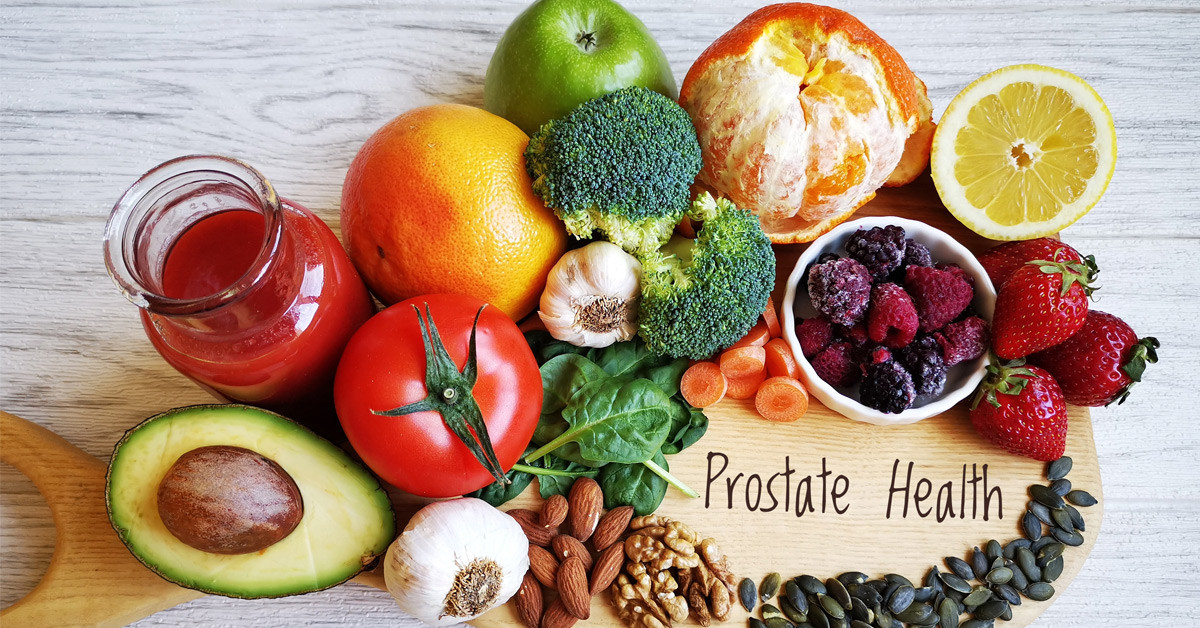
Men in either case do not have to have a complicated plan to help maintain their prostate health. Men who practice eating a regular diet consisting of prostate healthy foods (which include fruit, vegetables, whole grains, lean proteins, fish and nuts) can gradually improve their prostate health over time.
There is no one food that is considered a “miracle” food to improve prostate health, but there is solid research from multiple medical and cancer organizations that supports the idea that diet consisting primarily of plant based foods, some healthy fat sources (avocados, olive oil), non-processed sources of fish and fiber with limited consumption of processed foods is the strongest daily way to maintain overall health.
Many men ignore early signs until they start affecting daily comfort, but understanding how to support your body naturally can make a real difference.
This is why the best foods for prostate health are the same as those recommended by dietitians for cardiovascular diseases and reducing inflammation.
Why diet matters for prostate health after 40
The reason why a good diet is important for prostate health as you age is not because it is a quick fix, but because it will influence the way your body works from the time you start eating until the time you stop eating. Eating a diet with lots of saturated fat, red meat, processed foods, and charred meats are generally considered unhealthy choices.
On the other hand, Mediterranean-style eating patterns have been repeatedly recommended by many professionals in order to support prostate health. For men who experience frequent urination (particularly during the night), consumption of caffeinated beverages, alcoholic beverages, or too little fiber can all aggravate existing prostate symptoms and contribute to even more frequent bathroom visits.
Thus, as you get older and you are concerned about your prostate health, your diet should focus on developing habits versus being current with diet trends. When you think about food, think about colour, fibre, healthy fat and balance. Perfection isn’t the goal. The goal is to eat foods that will aid in supporting your prostate, decreasing inflammation, and fitting into your daily routine.
Top 15 Prostate Healthy Foods Backed by Science
1) Tomatoes
Tomatoes are often heralded as a food to help prevent prostate cancer. One reason is because they are full of lycopene, an antioxidant that is found most commonly in cooked or processed tomatoes.
As noted by Johns Hopkins University, research shows that lycopene found in cooked tomatoes may slow the growth of prostate cancer cells, which makes tomato sauce, tomato paste, and cooked tomatoes a better option for prostate cancer protection than just eating raw tomatoes.
2) Broccoli
Broccoli is near the top of any list of anti-inflammatory foods for supporting prostate health. This cruciferous vegetable contains sulforaphane, which Johns Hopkins has identified as a compound that may help protect against cancers. Furthermore, broccoli fits nicely into the wide variety of foods recommended for prostate health.
3) Cauliflower
As with broccoli, cauliflower should be included regularly in meals. Cauliflower has a very mild flavor and can be easily prepared (roasted, steamed, and mashed). The AICR identifies cauliflower as one of the foods that can help fight cancer; Johns Hopkins includes cauliflower in the category of cruciferous vegetables that have protective elements, such as sulforaphane.
4) Kale
Kale is one of those highly nutritious greens that can be added easily to most prostate-supporting diets. The same way that kale supports a wide variety of plant-based diets and promotes lower cancer risk, is also the same way that the American Institute for Cancer Research identifies kale as an important cancer-fighting food, which explains why leafy greens are highly recommended by nutrition experts.
5) Spinach
Although it sounds mundane, spinach is one of the best ways to start adding foods that will help you with your prostate health. It contributes fiber, vitamins, and volume to your diet with no added calories or bad fats. Just like other dark leafy greens, spinach is perfect for the Harvard and AICR recommended plant-based diet.
6) Beans and Lentils
Beans and lentils provide an excellent source of protein for those wanting to consume a filling, affordable amount of protein that is good for the prostate. The guidelines for prostate cancer diet issued by Harvard’s Cancer Center include beans and legumes in their list of healthy diets based on research. The Mayo Clinic also recommends use of plant-based protein instead of high red meat consumption for improved enlarged prostate support.
7) Soy Foods
Soy foods such as tofu, edamame, and soy milk are not typically referred to in discussions around prostate diets; however, soy foods fit nicely into a prostate healthy diet. Johns Hopkins has researched and found that clinical studies indicate that soy may help lower PSA levels.
According to AICR, soy foods are one of the foods that they recommend for fighting cancer, and many of the men I work with use soy as an easy replacement on their plate to help them eat more plant-based.
8) Fatty Fish
Fatty fish such as salmon and sardines contain omega-3 essential fatty acids. They are also considered healthy fats by most nutritionists, because the pattern includes healthy fats. Omega-3 essential fatty acids derived from fish are healthier fat sources according to Johns Hopkins University, and the Mayo Clinic endorses fish that are omega-3 rich as a healthier protein source than red meat for people with enlarged prostate issues.
9) Walnuts
Walnuts have an uncomplicated and high-nutritional-value snack. They are incorporated into Mediterranean-style meals as recommended by Johns Hopkins and Harvard; both institutes suggest including nuts & seeds in one’s diet if the person wants to eat to support prostate health. Use walnuts as an alternative to processed snack foods by placing on oatmeal, adding to salads or adding them to yogurt or other dairy products.
10) Flaxseed
Flaxseed is also a simple addition to the diet for males who want to eat prostate-friendly foods on a daily basis. AICR has listed flaxseed as one of its cancer-fighting foods; it can be easily added to oatmeal, smoothies, cereal and yogurt, among other foods. Flaxseed adds a very small habit to one’s diet; however, many small habits eventually lead to a significant effect.
11) Olive Oil
Using olive oil as a substitute for saturated fat will help create a prostate-healthy diet for a man. Johns Hopkins considers healthy fats found in fatty fish and olive oil, nuts, and seeds to be part of a Mediterranean diet and therefore, healthy for men in terms of supporting prostate health.
12) Berries
Ripe blueberries, strawberries, raspberries and etc. have many antioxidant properties (natural sweeteners) but not the sugar crash that many desserts have; AICR recommends many berries as cancer-fighting foods and serves as a guideline for how to obtain enough variety of fruits/vegetables in a person’s diet (one colorful fruit or vegetable per day).
13) Citrus Fruits
Citrus fruits are a great everyday snack option due to their convenience and freshness. Mayo Clinic highlights the benefits of consuming fruits on a daily basis and specifically calls out citrus fruits in its guidelines, as does AICR, which includes grapefruit and oranges among its list of anti-cancer foods.
14) Green Tea
Green tea has become popular in discussions about prostate health because it conforms to the same low-processed, antioxidant-rich lifestyle pattern that is encouraged by experts. Clinical studies conducted by Johns Hopkins University have shown that men who consume green tea are at a lower risk of developing prostate cancer. AICR also recognizes tea as a food that helps fight against cancer.
15) Whole Grains
Whole grains, such as oats, brown rice, quinoa, and whole grain bread, are filling and provide fiber as well as stable nutrition. Both Harvard University and AICR support a plant-based diet, including whole grains, as having a reduced risk of developing cancer, and fiber is particularly important for men with symptoms of enlarged prostate, as constipation may result in increased pressure on the bladder.
Favorite foods for prostate support (BPH) in everyday situations
In terms of BPH symptoms, the foods that are beneficial for prostate health are not the only aspect to consider; both Mayo Clinic and NHS state that people should limit their intake of caffeine and alcohol, reduce their fluid intake just before bed, and consume sufficient fiber. Maintaining a healthy weight can be helpful because being overweight can elevate the severity of the symptoms.
An uncomplicated way of supporting BPH would include the following: attempting to make vegetables, fruit, beans, whole grains, fish and healthy fats the base of your meals; using red/processed meats in smaller portions than you typically eat; and paying particular attention to the quantity of liquid you drink in the evenings. This is a type of meal plan that is sustainable and many people can maintain.
Recommended recommendations for men at or above the age of 40:
There are some simple ways to help you do this while not completely changing your life:
- Prepare tomato-based meals with olive oil, as this will facilitate absorption of lycopene.
- Change out one of your red meat meals for either lentils, beans or fish at least one time per week.
- If you experience problems with nocturia, limit your caffeine and alcohol intake.
- Create as many meals as possible that utilise vegetables, fruits, whole grains and health fats as main ingredients.
FAQ
1) Can I avoid prostate issues by eating food alone?
No one food will protect you alone. The largest message from cancer and general medical organizations is to eat a variety of foods, especially fruits and vegetables, rather than seek out a single “super-food”.
2) Is there any benefit to cooking tomatoes rather than eating them raw for prostate function?
Most of the time. John Hopkins University lists high levels of Lycopene in cooked or processed tomatoes – thus, explains why tomato sauce, and other cooked tomato dishes are highly recommended.
3) What are the foods that men with enlarged prostates should limit?
You should eat less caffeine, alcohol, saturated fats, red meats, processed foods, and very salty/overly-seasoned food. According to NHS and clinical evidence from Mayo Clinic, you should also increase your fiber intake, maintain a healthy weight, and drink beverages that are less damaging to your prostate to reduce your symptom burden.
4) Should I take supplements for prostatic health??
Not necessarily. All supplements were shown not to prevent prostate cancer according to John Hopkins University, in fact, it specifically states that Vitamin E should not be taken as a form of prostatic health. You should consult your healthcare provider before beginning any supplements.