

 By
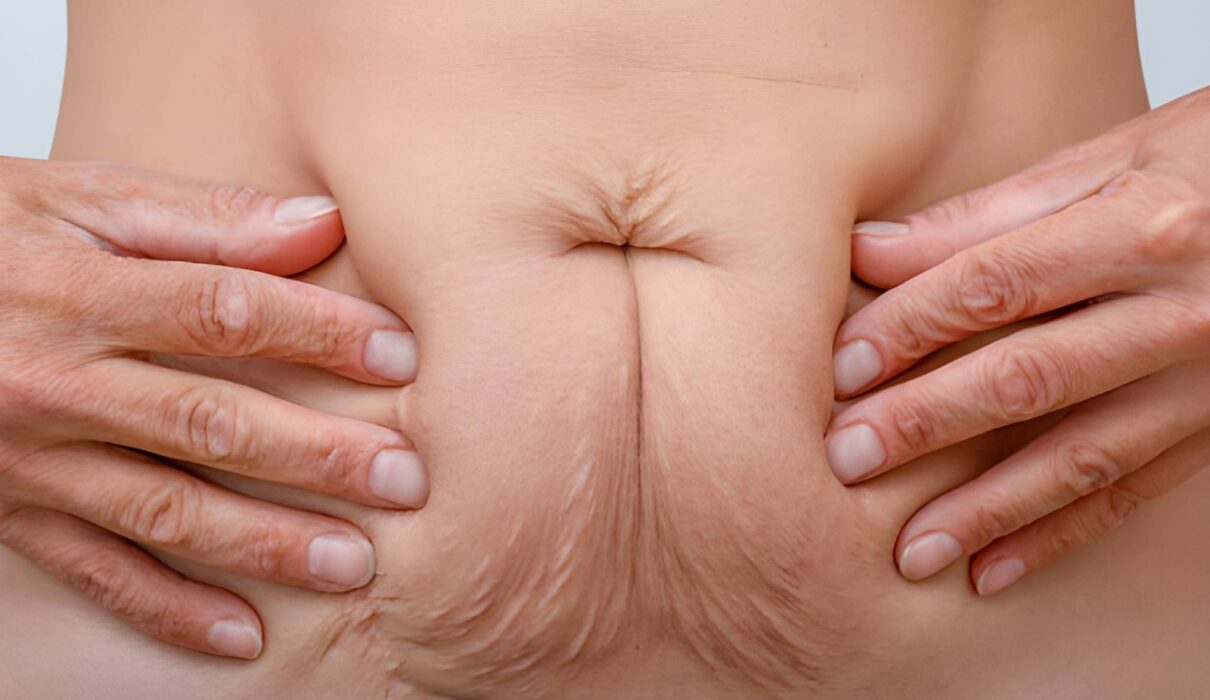
By Having your body be lighter means it has a lot of great benefits for your health, as well as more energy and increased self-esteem. However, for many people, one of the biggest surprises after losing weight is that they now have loose skin, which can be difficult to deal with, even if you have done everything correctly. Luckily, there are some scientifically proven ways to naturally improve the appearance and feel of your skin.
Loose skin is caused by the fact that skin is not just “empty space” after you lose the fat from it. Skin is made up of living tissue containing collagen and elastin. If skin is stretched out for a longer period of time, it will take longer to return to its original size once the fat is gone. The amount of loose skin you will have after losing weight will depend on several different things, such as how much weight you lost, how old you were when you lost it, your genetics, and how long your skin was stretched out during your weight loss.
If the amount of loose skin you have is mild to moderate, there are things you can do to help improve the appearance of your skin through some good habits. Instead of thinking about it in terms of “getting instant results,” think of it in terms of helping your body rebuild structure, support elasticity, and over time, look firmer.
Why loose skin happens after weight loss
The reason why loose skin occurs after significant weight loss is because skin will stretch as your weight increases and will eventually lose the ability to bounce back depending on how much time that you have been at a particular weight. If you have been at an extreme weight for a long period of time, the collagen and elastic fibers of your skin can also lose their ability to recover after you have completed your goal.
Many times the reason people do not have the same level of rebound or tightness from excess skin is due to their genetics, age, and how much weight they lost, along with the amount of time that skin was stretched out.
If you are trying to determine whether or not your loose skin will recover through lifestyle changes (diet and exercise), it’s also important to be realistic about how much loose skin you are likely to have. In many cases where excess skin amount is very significant, dermatologic or cosmetic repair methods have been found to produce the most success.
What actually helps loose skin naturally?
1) Increase Your Muscle Size Through Resistance Training
Strength training is one of the best natural strategies to achieve this. A study in December 2023 found resistance training increases skin elasticity, improves the upper dermal structure, and increases the thickness of the dermis. This is important because the more lean muscle you build, the better the frame underneath your skin will be, resulting in a firmer looking body.
There is no need to do extreme workouts. Consistent progressive resistance training with exercises such as squats, presses, rows, lunges, deadlifts, push-ups, or machine based resistance exercises (2-3 times per week) will encourage muscle growth over time and improve your shape while reducing the appearance of loose skin after losing weight.
2) Consume Adequate Protein and Nutrient-Rich Foods to Support Skin
Collagen, which is essential for healthy skin, is a form of protein. Therefore, having an adequate amount of protein will help you build the building blocks for healthy skin structures.
Creating a balanced diet plan, consisting of adequate amounts of protein, fruits, vegetables, healthy fats, and important micronutrients, will benefit both skin health and muscle retention. Mayo Clinic and Cleveland Clinic both recommend a balanced diet plan as part of good skin health.
To think of having enough Protein/Nutrients to support skin, consider that your body needs nutrients both internally (i.e. through foods) and externally (i.e. through lotions and creams) in order to support the growth/repair of skin tissue (newly formed Collagen). Among other things, consuming Vitamin C rich foods will help support the synthesis of Collagen in your body, while Zinc, Iron, and other necessary micronutrients help support your body’s ability to function normally. The Cleveland Clinic also recommends consuming a balance of green vegetables, citrus fruits, fish, berries, and nuts as a way for your body to naturally increase its production of elastin.
3) Stay hydrated, but do not expect water alone to fix it
Hydration is beneficial because dry skin appears less smooth or supple than properly hydrated skin, but water will not provide the solution to loose skin on its own. Hydration will keep all skin functions working effectively, but it will not be enough by itself to reverse damaged collagen caused by stretching. Think of hydration as supporting the goal of achieving improved skin quality, not as a standalone solution.
Drink water consistently throughout the day; ideally travel with a water bottle so you can continuously drink. Have both a solid water consumption throughout the day along with a diet of nutrients and/or vitamins. A well-groomed skin will generally look healthier than a poorly groomed but have more loose skin.
4) Protect Your Skin from UV Damage and Smoking
Collagen breaks down after long-term UV damage and reduces the elasticity of the skin making it look older. The American Academy of Dermatology (AAD) recommends UV protection from the sun and from illegal tanning beds, and that developing other healthy habits will increase the chances for improved skin tightness as well as long-term effects. Once damaged from the sun UV rays will never be repaired.
Smoking is another major issue because it causes skin to age faster. If a person wants to naturally restore their loose skin as a result of losing weight, quitting smoking is the most valuable change a person can make for improving their skin.
5) Collagen supplements are a decent option; however, be aware that they do not work miracles.
Collagen supplements are receiving considerable attention publicly, and the research on collagen supplementation is more positive than most people think. Systematic reviews from the Cleveland Clinic and National Institutes of Health (NIH)-based sources generally indicate that using collagen orally may improve hydration and elasticity of the skin in some individuals. However, these improvements are typically modest, and there is no evidence to support that collagen should be considered a cure for any amount of significant loose skin.
Based on this information, collagen can be classified as a “maybe useful” nutrition supplement for mild improvements in the quality of the skin while following a high protein diet, engaging in strength training regularly, and practicing good skincare.
When there is no alternative to surgery
Natural remedies can be quite beneficial, especially when a person has minor amounts of loose skin that are in the process of being improved through changes to their body composition or individual parts of the body have only minimal amounts of loose skin. However, for people who have a large amount of excess skin which may involve chafing, hygiene issues or a nearly complete change in the body’s shape due to large weight loss, the need for surgical correction may be necessary.
In these cases, a board-certified dermatologic or plastic surgeon may recommend such procedures as radiofrequency skin tightening, ultrasound therapies and body contouring surgery. Both Cleveland Clinic and American Academy of Dermatology noted that surgery is typically the best option to correct excess tissue for individuals who have significant amounts of excess skin and does require a longer than average recovery period and additional risks.
Conclusion
The most frequent outcome of weight loss is loose skin. Having loose skin does not change how successful you were in your weight loss journey. The degree of looseness typically correlates with the length of time that the skin was stretched, the total amount of weight lost, and the degree to which your skin retains its natural elasticity.
The best way to promote skin health naturally is also the most sustainable way. Try to build muscle, ensure you are consuming adequate protein, give your skin the best nutrition possible, drink enough fluids, protect your skin from sun damage, and avoid smoking.
Collagen supplementation may provide minor assistance in healing your skin, but its best effects are realised when combined with other treatments. If you have moderate skin laxity, a healthcare provider may recommend treatment options for your loose skin.