

 By
By An enlarged prostate often creates inconvenience for daily living. Many men feel like they have to make many bathroom runs, have little or no urine stream, and wake up during night and often find themselves tired and irritated. Because of this so many men turn towards improving their diet as their first attempt at improving their condition.
There are studies supporting how changing your eating habits will not get rid of your medical problems, however, establishing a proper diet will still help support prostate health and, over time, alleviate some of the discomfort experienced.
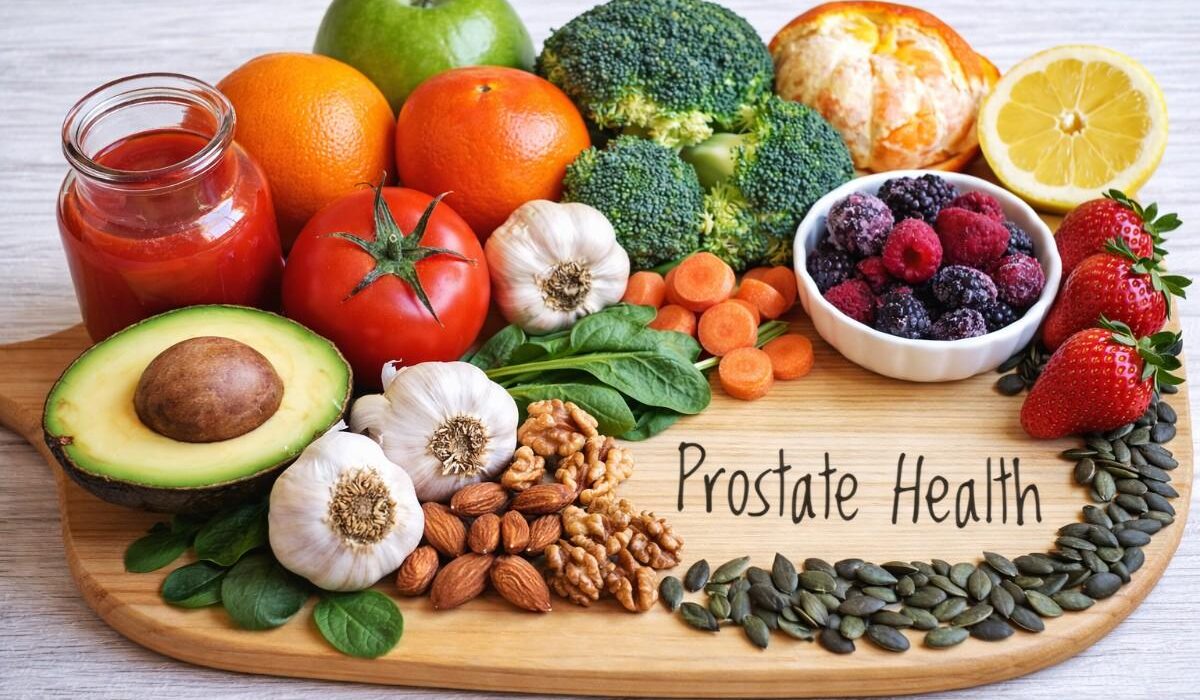
These recommendations have been supported with research and have been stated by many health organisations as an effective way to eat: plant based, Mediterranean-type of eating, lower in saturated fat, more fruits and vegetables, healthy fats and fish; as plant-based foods will also be better for prostate health than meat or dairy.
1) Tomatoes
Numerous studies have highlighted the positive impact of consuming tomatoes on prostate health primarily due to their high levels of lycopene. Lycopene is an antioxidant found in numerous fruits and vegetables, but especially tomatoes. It supports the healthy functioning of the prostate and has been recognized as such by many organizations over time. Products with lycopene tend to be very common in reference to a diet that supports prostate health according to the Cleveland Clinic.
Because tomatoes are so readily available and can be eaten so many different ways throughout the day, they are easily included in a daily meal plan. Someone could choose to eat fresh tomatoes, use tomato based soups, make their own salsa, or use other sauces with low sugar content in their diets. Cooked tomatoes can also be used in many ways and many recipes for pasta, eggs, soups, and grain bowls include cooked tomatoes.
A great example of eating prostate healthy foods that taste good is by preparing a meal of grilled fish, roasted vegetables, and fresh tomato based salsa together. Determining the best diet will always depend on whether or not the individual implements a dietary plan after they have completed it.
2) Broccoli and Other Cruciferous Vegetables
Cabbage, cauliflower, broccoflower and Brussels sprouts all fall within the same family of vegetables known as cruciferous. These varieties are frequently mentioned when addressing prostate health. One of the Foods Provided by Cleveland Clinic lists broccoli as one of the many suggested foods to incorporate into a prostate-friendly diet. The main reason these cruciferous vegetables are discussed commonly is because they are full of antioxidants and are considered to have an anti-inflammatory effect.
It’s important to note that though they provide many health benefits, including those related to prostate health, they are not a cure-all solution when it comes to symptoms of an enlarged prostate. A healthy, nutrient dense diet includes a variety of nutrient dense foods, rather than one specific “magical” food; therefore, the goal when dealing with any symptom is to establish a dietary pattern that will benefit the body versus continue to irritate the body.
Broccoli vegetables can be served roasted (using olive oil and garlic), steamed, put into various dishes such as omelets and stir-fries, etc. When vegetables become part of your daily/weekly meals, you can typically maintain consistency – this is where true value can be found.
In addition to these foods added into the diet, it is beneficial to understand how enhancing blood flow and circulation contributes to better-shape prostate health for lasting improvement.
3) Berries
Prostate-health foods incorporate both vitamins and fiber, as well as antioxidants. Berries are an example of a prostate-health food that the Cleveland Clinic recommends, due to the fact that they contain all three of these components in a low-calorie format.
Berries are one of the easiest foods to consume on a daily basis; they can easily be added to oatmeal, plain yogurt or smoothies. Berries can also be consumed on their own as a snack. As a result of their ease of consumption and assembly time, they can be consumed in both Tier 1 and busy weekday eating styles and are usually available in bulk at most grocery stores.
When eaten regularly, berries are particularly beneficial for men with enlarged prostate symptoms, as they support a larger heart-health and weight-conscious eating plan. According to Mayo Clinic’s recommendations, eating more fruits and vegetables may alleviate enlarged prostate symptoms and assist with waistline reduction.
4) Fatty Fish Like Salmon, Sardines, and Mackerel
Eating fish is one of the most practical things you can do to promote the health of your prostate. According to the Urology Care Foundation, “Fish contains omega-3 fatty acids; Thus, increasing your fish intake can be part of a healthy prostate routine.”
Fatty fish, like salmon, sardines, and mackerel, contain omega-3 fatty acids and can help reduce inflammation by replacing less healthy fat sources with healthier fat sources. When considering a prostate-healthy diet, Harvard recommends that you replace saturated fat from dairy products and animal protein with healthier fats.
An example of a prostate-friendly meal is baked salmon with leafy greens and roasted vegetables. This meal is very filling and provides protein while maintaining an overall healthy lifestyle for you and your prostate.
5) Soy Foods
Many people believe that soy foods such as edible forms of soy (tofu, tempeh, edamame, and soy milk) can benefit the prostate. According to the Urology Care Foundation, soy is one of the best substitutes for meat-based proteins in plant-based diets. Therefore, when you’re working to improve prostate health and incorporate healthier eating habits, incorporating plant-based soy foods will contribute to your overall health goals.
Some examples of ways to incorporate soy foods into your diet include using tofu in a vegetable stir-fry, snacking on edamame, and using soy milk in your smoothie. These foods are easy to find, use common cooking techniques (i.e., stir-frying, boiling, blending), and are not complicated to incorporate into your diet on an ongoing basis. This is why soy foods are such a good fit for real-world eating!
6) Nuts and Seeds
Seeds and nuts are also excellent sources of food supporting prostate health. Harvard says to include healthy fats, such as avocados and nuts, but limit your intake of saturated fats; therefore, the Cleveland Clinic continues to recommend including all types of nuts as part of a prostate-healthy eating plan.
Many nuts, such as walnuts, almonds, pumpkin seeds and flaxseeds, can provide healthy fats, minerals and fibre. Furthermore, since they are easily portable, these foods represent a practical snack option—far better than a complex, time-consuming, prepared meal.
However, be careful not to overeat when you consume nuts/seeds. Although nuts/seeds can provide excellent nutrition, their caloric density can easily lead you to eat excessive amounts of food in a single meal. A small handful of nuts or a tablespoon of seeds will generally provide a well-balanced meal without overdoing it. In addition, as indicated by the Mayo Clinic, being overweight may contribute to the symptoms related to an enlarged prostate; therefore, achieving or maintaining a healthy weight is important.
7) Green Tea
Green tea is an incredibly interesting beverage and food for the prostate that helps provide both hydration and antioxidant support at the same time. According to the Urology Care Foundation, green tea may be particularly beneficial for supporting prostate health, as highlighted in the Cleveland Clinic’s article regarding prostate health.
Men who have been diagnosed with enlarged prostates may want to consider choosing green teas over sugar-sweetened drinks, being aware that caffeine can irritate the bladder and might aggravate urinary symptoms. Some reports from trusted resources suggest avoiding caffeinated green tea and instead drinking decaffeinated kinds of it if you know you are particularly sensitive to caffeine.
Establishing a habit of drinking a cup of green tea around mid-afternoon is a relatively easy adaptation to make, and while this is a relatively small adjustment, doing so can create great long-term results when supporting your prostate health.
Conclusion
If you’re searching for prostate-friendly foods that can alleviate the discomfort of enlarged prostate problems, all you really need to do is simply increase your intake of these foods(i.e., tomatoes, broccoli, berries, fatty fish, soy products, nuts/seeds, and green tea). They help create an anti-inflammatory diet plan that has the potential to improve your urinary symptoms over time.
Perfection isn’t what will lead to success; consistency will. By using a variety of vegetables/fruits/fish/healthy sources of fat and minimizing the consumption of irritants such as caffeine/alcohol in your diet, you will be putting into place a realistic yet consistent plan for building better prostate health for yourself. Many men have found that making this type of dietary change has worked for them in the long term.