

 By
By Many people blame rice for their inability to lose weight; however, the truth is that rice, in and of itself, does not make you fat. What primarily makes a difference is how much rice you eat, the type you eat, and the food you eat with the rice. The NHS does recommend that rice can be included as part of a healthy diet yet otherwise will keep recommending higher fibre or whole grains (like brown rice) whenever possible.
It is, therefore, not only important to know if rice is good for helping you lose weight but also how best to eat rice while working toward this goal. When you know the difference between refined grains and whole grains and how to properly build a balanced plate, you can eat rice in a way that will assist you in achieving your weight loss goals rather than hinder you.
Is rice good for weight loss?
Rice is a healthy addition to your weight loss diet if you are conscious about your overall consumption. This includes treating rice as just one part of the meal, not the entire meal. According to the National Health Service (NHS), starchy foods like rice should account for just slightly above 1/3 of the food you consume; however, typically whole grain versions are recommended to contain more fiber and nutrients.
According to Harvard University’s Nutrition Source, quality of food also counts; calorie content is important, however whole grains have been associated with improved metabolic markers like decreased insulin levels as compared to refined grains. This plays an important role in managing one’s weight and ensuring that you can easily maintain a food program due to the rice keeping you full longer while also stabilizing your hunger.
Rice can be eaten as part of a balanced weight loss program when it is portion controlled, eaten along with meats/proteins, eaten with vegetables, and when whole grains (i.e white rice is less filling than brown rice or other whole grains).
Does rice cause belly fat?
Rice itself does not cause abdominal fat gain. Belly fat occurs when you’re consistently consuming more calories than you burn (especially if those calories come from foods high in processed carbohydrates, oils, and sauces, and from large portion sizes). The main problem is how rice is prepared, rather than rice itself. The Harvard Health Letter indicates that there are better long-term results in terms of sustainable body weight through selecting quality foods rather than limiting your calorie consumption by avoiding specific foods.
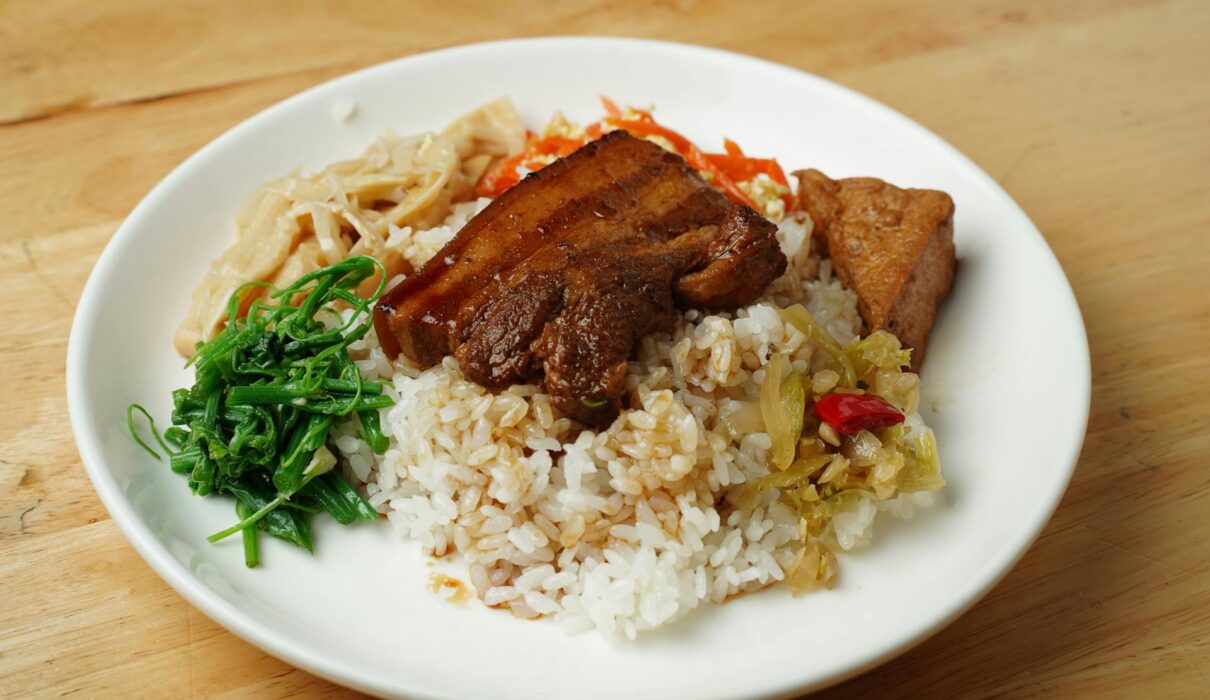
Eating a large bowl of white rice with a creamy sauce and toppings that are fried might cause you to increase your calorie intake quickly. However, if you eat a moderate-sized serving of rice with grilled chicken, lentils, tofu, fish, or beans and some vegetables, you’ll feel satisfied and have a balanced meal. This is how to use rice to achieve a healthy body weight for many people in the real world.
As long as you choose appropriate portion sizes and healthy food pairings, rice is an excellent addition to your weight loss eating plan. By gaining an understanding about how portion size and healthy combinations of foods can impact fat storage and overall digestion of rice, you can consume rice without putting on belly fat.
White rice vs brown rice for weight loss
For individuals who are trying to lose weight, consuming brown rice instead of white rice will increase their chances of succeeding since brown rice is a whole grain that contains more fiber than white rice. The NHS states to eat either whole grain or high-fiber starchy foods and Harvard has also stated that consuming whole grains provides better nutrition than refined grains.
That doesn’t mean you can’t eat white rice, just that it is easier for someone to overeat white rice due to its refined nature, which generally makes it far less satiating than brown rice. If you like eating white rice, you can still utilize it and achieve your calorie-targeting goals by using small portion sizes and filling the rest of your plate with vegetables and protein.
For most people the best choice will be to not eat “brown rice all of the time”; rather, you should simply find the rice that tastes the best to you and implement a sound portion control plan so that meal will help you achieve your caloric goal. Consistency will always prevail over perfection!
How to eat rice without gaining belly fat
To limit your risk of gaining belly fat while eating rice, you want to manage your meal, not just the rice.
Measuring half a cup of cooked rice is a practical example of proper portion measurement for meals provided by the USDA purchasing standards for food.
Here is a portion control strategy you can use:
- Use a moderate portion of rice, instead of a large pile of rice.
- Add a good source of protein.
- Fill the remainder of the plate with vegetables.
- Go light on high-calorie sauces, butter, and oil.
By using that simple meal structure, rice becomes more conducive to weight loss. You will be not only satisfied with your meal, but rice will not provide too many calories as part of your meal. Also, since most fibre-rich foods allow you to feel full longer than other foods, you may find brown rice, or rice with beans and vegetables, to be beneficial.
Best ways to make rice more weight-loss friendly
One simple tip for adding variety to your meals is to choose rice dishes that lower calories per portion. Rice combined with beans, vegetables, soup, and/or lean proteins provide a greater nutritional punch than rice alone. For example, USDA suggests combining brown rice with beans and vegetables as an excellent illustration of this principle. The best combinations create complete plates by balancing portions of starch with other food groups rather than serving one food group alone.
Another method of utilizing rice more effectively is by properly cooking it so that you change the physical characteristics of the product. Scientific proof shows that refrigeration of cooked rice cools it off, converting some of the starch into resistant starches, which take longer to digest and, therefore, produce a lower glycaemic response in certain aspects. Therefore, while rice is not considered a miracle food for weight loss, it certainly is a great addition to anyone’s diet when trying to improve their blood sugar levels or control their appetite better than previous methods.
If you would like to improve your everyday cooking habits, here are a few suggestions:
- Utilize brown rice occasionally as opposed to white rice.
- Combine your rice with lentils or beans.
- Add non-starchy vegetables for bulk and volume.
- Select your proteins to be grilled, baked, or steamed, rather than fried, as toppings over rice.
- Use measured and light sauce portions.
Is rice good for weight loss if you eat it at night?
Eating rice while trying to lose weight can be achieved. That being said, rice is not a problem alone. What can be problematic is having a large meal at night with some sort of snack later (especially if the meal lacks protein and fiber). The main focus of eating healthfully is to have balanced choices in food and portion sizes, not necessarily restricting rice based on the time of day that it is eaten.
Thus, if you want to still have rice and be successful at losing weight; make sure the size of your plate is a moderate sized serving, and build your plate in a balanced manner.
Conclusion
In conclusion, rice can be included in a healthy weight loss program. It may not be the cause of any weight gain, and the main difference will come from the type of rice chosen, the portion size of the rice, and how your entire meal is assembled. Higher-fibre options such as brown rice are better than lower-fibre options; however, white rice can work in a good weight loss program as long as the portion size is managed.
If you want to eat rice without gaining belly fat, think of balance and not restriction. Use moderate portions, add protein, fill up with vegetables, and do not use heavy sauces or large portions. This is the best way to eat rice and work toward your weight-loss goals.
FAQs
1) Is rice helpful for losing weight every single day?
Rice can technically be included every day if you control your portions; balance the rest of your diet; and consume enough dietary fiber. Choosing an unbleached or brown rice would be the best option.
2) What type of rice is more beneficial for losing weight?
The improved fiber content found in unbleached or brown rice, the whole grain version, would be more beneficial than that of a white rice product. The fiber found in rice helps give you feeling full, which assists in maintaining calorie controls.
3) How many servings of rice would you include in a healthy weight-loss diet?
The USDA usually bases the serving size of rice on 1/2 cup of cooked rice; therefore, you can easily adjust the portion you eat based on your caloric needs for your whole meal.
4) Does reheating rice count as a weight-loss strategy?
When cooked rice has been cooled, research shows that it may have some increase in the amount of resistant starch; therefore, it may lower any glycemic response to some degree. This is merely one small strategy to help develop a meal plan; portion control will probably have a higher importance in achieving weight-loss goals.