


 By
By Introduction
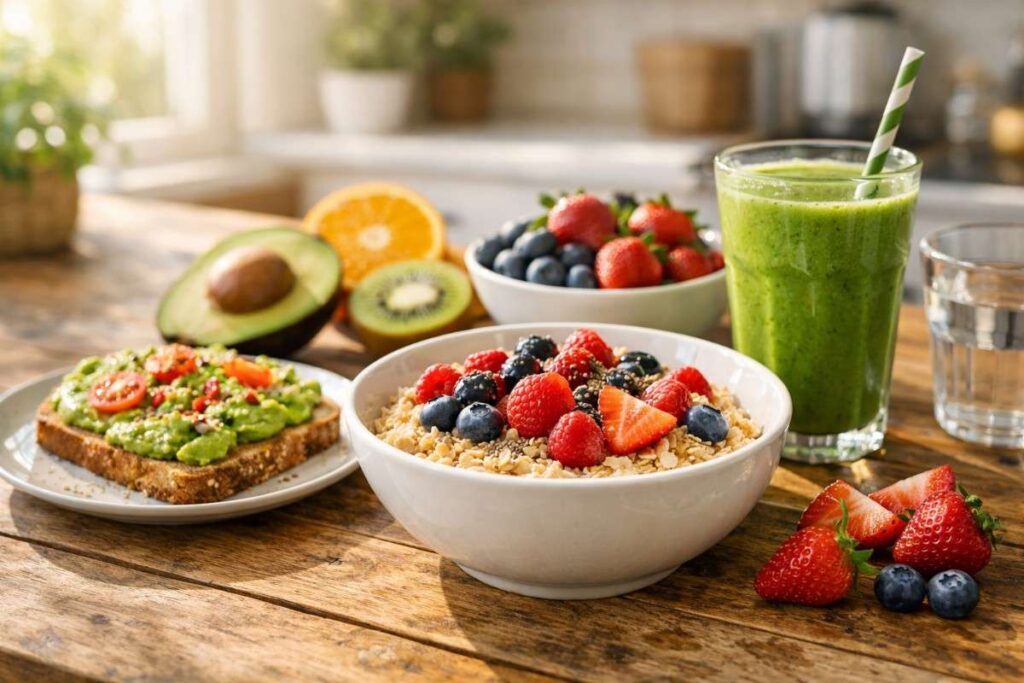
Inflammation is a natural process that helps your body heal and defend itself. But when inflammation becomes chronic, it can quietly contribute to many modern health issues—from fatigue and digestive problems to joint pain and metabolic disorders.
The good news is that your daily food choices have a powerful influence on inflammation levels. Certain foods calm the body’s inflammatory response, while others can make it worse over time.
This is where an anti-inflammatory diet comes in. Instead of restrictive dieting, it focuses on nourishing your body with whole, nutrient-dense foods that support long-term health.
In this guide, you’ll discover a simple 21-day anti-inflammatory diet plan for beginners. You’ll learn which foods reduce inflammation, what to avoid, and how to build sustainable eating habits that help your body feel stronger, lighter, and more energized.
What Is an Anti-Inflammatory Diet?
An anti-inflammatory diet is a way of eating that focuses on foods known to reduce inflammation in the body. These foods contain antioxidants, healthy fats, fiber, and phytonutrients that support immune balance.
Unlike trendy diet plans, the anti-inflammatory approach is rooted in well-researched nutritional principles. It closely resembles patterns like the Mediterranean diet, which has long been associated with better heart health and longevity.
Instead of eliminating entire food groups, the focus is on replacing highly processed foods with whole, natural options.
Over time, this way of eating may help improve:
- Energy levels
- Digestive health
- Joint comfort
- Blood sugar stability
- Overall wellness
Think of it less as a strict diet and more as a long-term lifestyle change.
Common Signs of Chronic Inflammation
Many people live with chronic inflammation without realizing it. The symptoms can be subtle and often mistaken for everyday fatigue or stress.
Some of the most common signs include:
- Persistent fatigue
- Joint stiffness or muscle soreness
- Digestive issues such as bloating
- Frequent headaches
- Skin problems
- Difficulty losing weight
- Brain fog
While diet alone cannot cure medical conditions, reducing inflammatory triggers in your food choices can significantly support overall health.
Foods That Naturally Reduce Inflammation
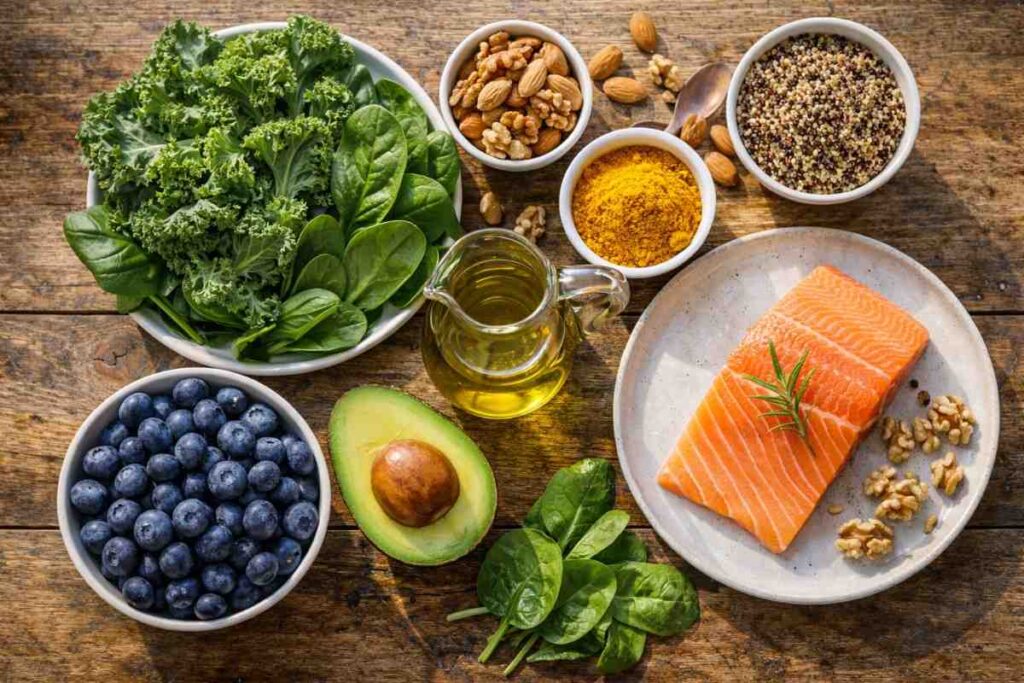
Certain foods contain compounds that actively help regulate inflammatory responses in the body. Including these regularly can make a noticeable difference in how you feel.
Fruits and Vegetables
Colorful produce is one of the best sources of anti-inflammatory nutrients. They are rich in antioxidants that help neutralize free radicals.
Particularly beneficial choices include:
- Berries
- Leafy greens
- Broccoli
- Sweet potatoes
- Bell peppers
- Tomatoes
The deeper the color, the more protective compounds the food usually contains.
Healthy Fats
Not all fats are harmful. In fact, healthy fats are essential for controlling inflammation.
Excellent sources include:
- Olive oil
- Avocados
- Nuts and seeds
- Fatty fish like salmon, sardines, and mackerel
These foods provide omega-3 fatty acids, which play a key role in reducing inflammatory markers.
Whole Grains and Fiber-Rich Foods
Whole grains contain fiber that supports gut health. A balanced gut microbiome can significantly influence inflammation levels.
Good options include:
- Quinoa
- Brown rice
- Oats
- Whole grain bread
- Barley
Fiber also helps stabilize blood sugar, which indirectly reduces inflammatory stress.
Foods That Can Trigger Inflammation
Just as some foods help calm inflammation, others can make it worse.
Highly processed foods are often the biggest contributors. They may contain refined sugars, unhealthy oils, and artificial additives that disrupt the body’s natural balance.
Common inflammatory foods include:
- Sugary drinks
- Refined carbohydrates
- Deep-fried foods
- Processed meats
- Excess alcohol
- Highly processed snacks
The goal is not perfection but awareness. Gradually reducing these foods can lead to meaningful improvements in health.
How the 21-Day Anti-Inflammatory Diet Works
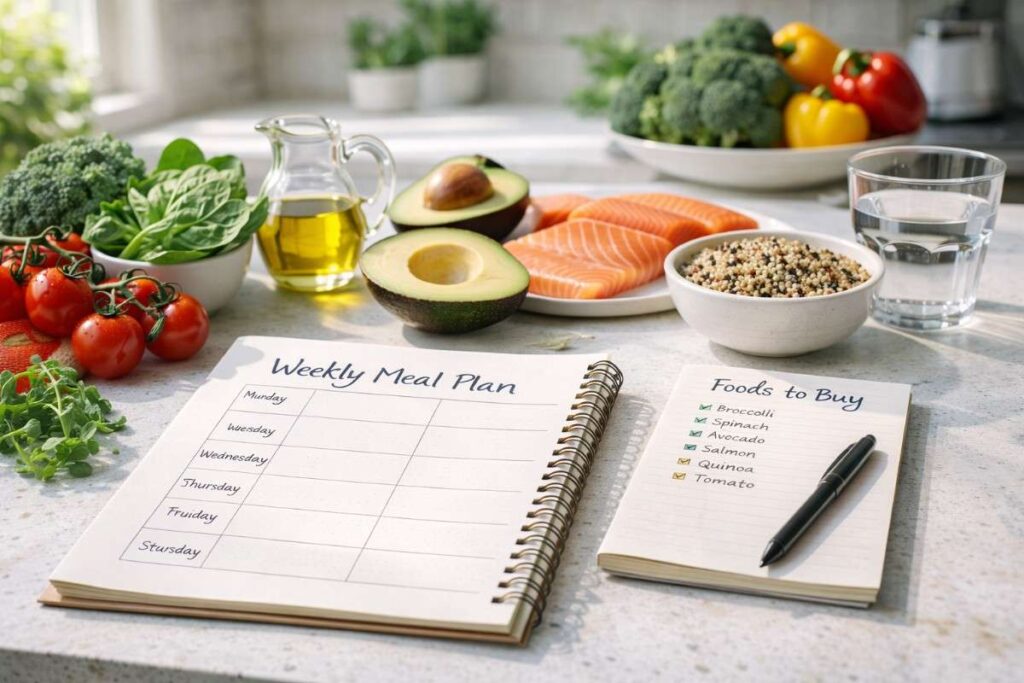
The 21-day plan is designed to help your body gradually adjust to healthier eating habits.
Three weeks is long enough for many people to begin noticing improvements such as better digestion, improved energy, and fewer cravings.
The plan is divided into three simple phases.
Week 1: Reset and Awareness
During the first week, the goal is to remove common inflammatory foods while introducing whole, nourishing meals.
Focus on:
- Drinking more water
- Eating more vegetables
- Replacing refined grains with whole grains
- Cooking more meals at home
This week is about awareness and making small changes rather than trying to overhaul everything at once.
Week 2: Nourish and Stabilize
By the second week, your body begins adapting to the new foods.
You may notice fewer sugar cravings and improved energy levels.
During this phase, increase the variety of anti-inflammatory foods such as:
- Fatty fish
- Nuts and seeds
- Fermented foods like yogurt or kefir
- Colorful vegetables
Balanced meals with protein, fiber, and healthy fats help maintain stable energy throughout the day.
Week 3: Build Sustainable Habits
The final week focuses on consistency.
By now, many people start recognizing how different foods affect their energy, digestion, and mood.
Instead of focusing on restrictions, the emphasis shifts toward building long-term habits such as:
- Cooking simple whole-food meals
- Planning groceries ahead of time
- Keeping healthy snacks available
- Maintaining balanced portions
This phase helps transform the anti-inflammatory diet into a lifestyle rather than a temporary challenge.
Sample 3-Day Anti-Inflammatory Meal Plan
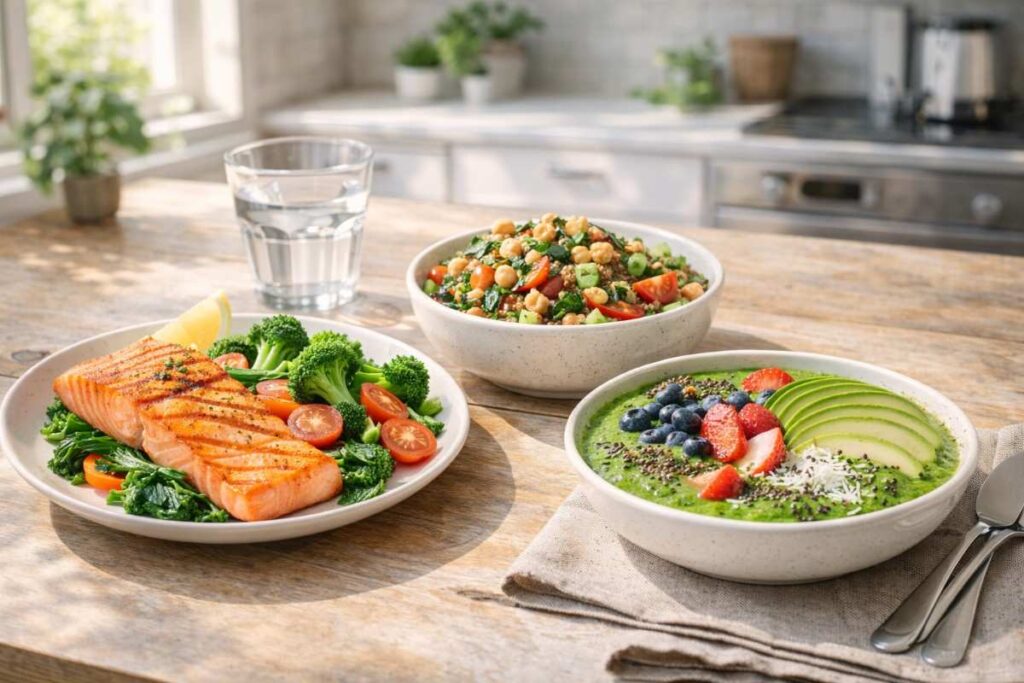
To help beginners get started, here’s a simple example of what a few days might look like.
Day 1
Breakfast:
Oatmeal with blueberries, walnuts, and cinnamon
Lunch:
Quinoa salad with chickpeas, cucumber, cherry tomatoes, olive oil, and lemon
Dinner:
Grilled salmon with roasted broccoli and sweet potatoes
Snack:
Apple slices with almond butter
Day 2
Breakfast:
Greek yogurt with mixed berries and chia seeds
Lunch:
Avocado and grilled chicken salad with leafy greens
Dinner:
Brown rice with sautéed vegetables and baked tofu
Snack:
Handful of mixed nuts
Day 3
Breakfast:
Green smoothie with spinach, banana, almond milk, and flax seeds
Lunch:
Lentil soup with whole-grain toast
Dinner:
Baked chicken with roasted carrots and quinoa
Snack:
Fresh berries or dark chocolate (70% cocoa or higher)
Helpful Tips for Following an Anti-Inflammatory Diet
Starting a new diet can feel overwhelming, but a few practical strategies can make the process easier and more sustainable.
Focus on Whole Foods
Try to choose foods that are as close to their natural state as possible. Fresh produce, whole grains, and minimally processed ingredients usually provide the most nutrients.
Cook More Meals at Home
Restaurant meals often contain hidden sugars, refined oils, and excess sodium. Preparing meals at home gives you full control over ingredients.
Plan Your Grocery List
Having the right foods available reduces the temptation to reach for processed snacks.
Your grocery list might include:
- Fresh vegetables and fruits
- Whole grains
- Healthy oils
- Lean proteins
- Nuts and seeds
Stay Hydrated
Water plays a vital role in supporting digestion and metabolic processes. Herbal teas can also be a great addition.
Be Patient With the Process
Your body may take time to adjust to dietary changes. Improvements often appear gradually rather than overnight.
The key is consistency, not perfection.
Lifestyle Habits That Support an Anti-Inflammatory Diet
Food is only one piece of the puzzle. Lifestyle choices also play a major role in controlling inflammation.
Regular movement helps regulate immune function and supports metabolic health. Even simple daily activities like walking can have a positive effect.
Sleep quality is another critical factor. Chronic sleep deprivation increases stress hormones, which can worsen inflammatory responses.
Managing stress through practices like meditation, deep breathing, or journaling can also help create a healthier internal environment.
When these lifestyle habits work together with an anti-inflammatory diet, the benefits can become much more noticeable.
Common Mistakes Beginners Should Avoid
When starting an anti-inflammatory diet, many beginners unknowingly make small mistakes that slow progress.
One common issue is trying to change everything overnight. Extreme restrictions often lead to frustration and burnout.
Another mistake is focusing only on removing foods rather than adding nourishing ones. The goal should be to crowd out inflammatory foods by filling your plate with healthier options.
Finally, many people underestimate the importance of consistency. Eating well for a few days is helpful, but long-term habits are what truly make the difference.
Conclusion

An anti-inflammatory diet is one of the most powerful ways to support long-term health.
By focusing on whole foods like vegetables, fruits, healthy fats, and lean proteins, you can help your body maintain a more balanced inflammatory response.
The 21-day anti-inflammatory diet plan provides a practical starting point. Over these three weeks, you can begin replacing processed foods with nourishing alternatives and develop habits that support lasting wellness.
Remember that the goal is progress, not perfection. Small consistent changes-like cooking more meals at home, eating more colorful vegetables, and reducing processed foods-can gradually transform your health.
With patience and consistency, an anti-inflammatory lifestyle can help you feel more energized, balanced, and resilient in everyday life.