

 By
By Introduction
Modern life keeps many of us sitting for long hours-working at a desk, commuting, or spending time on our phones. Over time, this lifestyle can weaken muscles and reduce joint mobility. The result is often stiffness, poor posture, and an increased risk of injury.
That’s why combining strength and mobility exercises is one of the smartest things you can do for your body. Strength helps stabilize your joints and build muscle, while mobility improves how well your joints move through their natural range of motion.
The best part is that you don’t need a gym to get these benefits. With the right movements and consistent practice, you can build strength and improve mobility right at home using just your body weight.
In this guide, we’ll explore 10 highly effective exercises that improve both strength and mobility. These movements are simple, practical, and suitable for most fitness levels.
Why Strength and Mobility Should Be Trained Together
Strength and mobility are often treated as separate aspects of fitness, but they actually work best together. When your muscles are strong but your joints are stiff, movement becomes restricted. On the other hand, if you’re flexible but lack strength, your joints may lack stability.
Low energy and poor stamina often come from something deeper than just lack of rest. If you’re curious about what really impacts your daily performance, you can explore how improving blood flow naturally supports energy and endurance.
Combining both forms of training helps create a balanced body. Strong muscles protect joints and improve posture, while mobile joints allow the body to move efficiently.
Over time, this combination can lead to noticeable improvements in everyday life. Simple activities like climbing stairs, lifting groceries, bending down, or playing sports become easier and safer.
Another major benefit is injury prevention. When your body moves properly and your muscles are strong enough to support those movements, the risk of strain or imbalance decreases significantly.
1. Bodyweight Squats
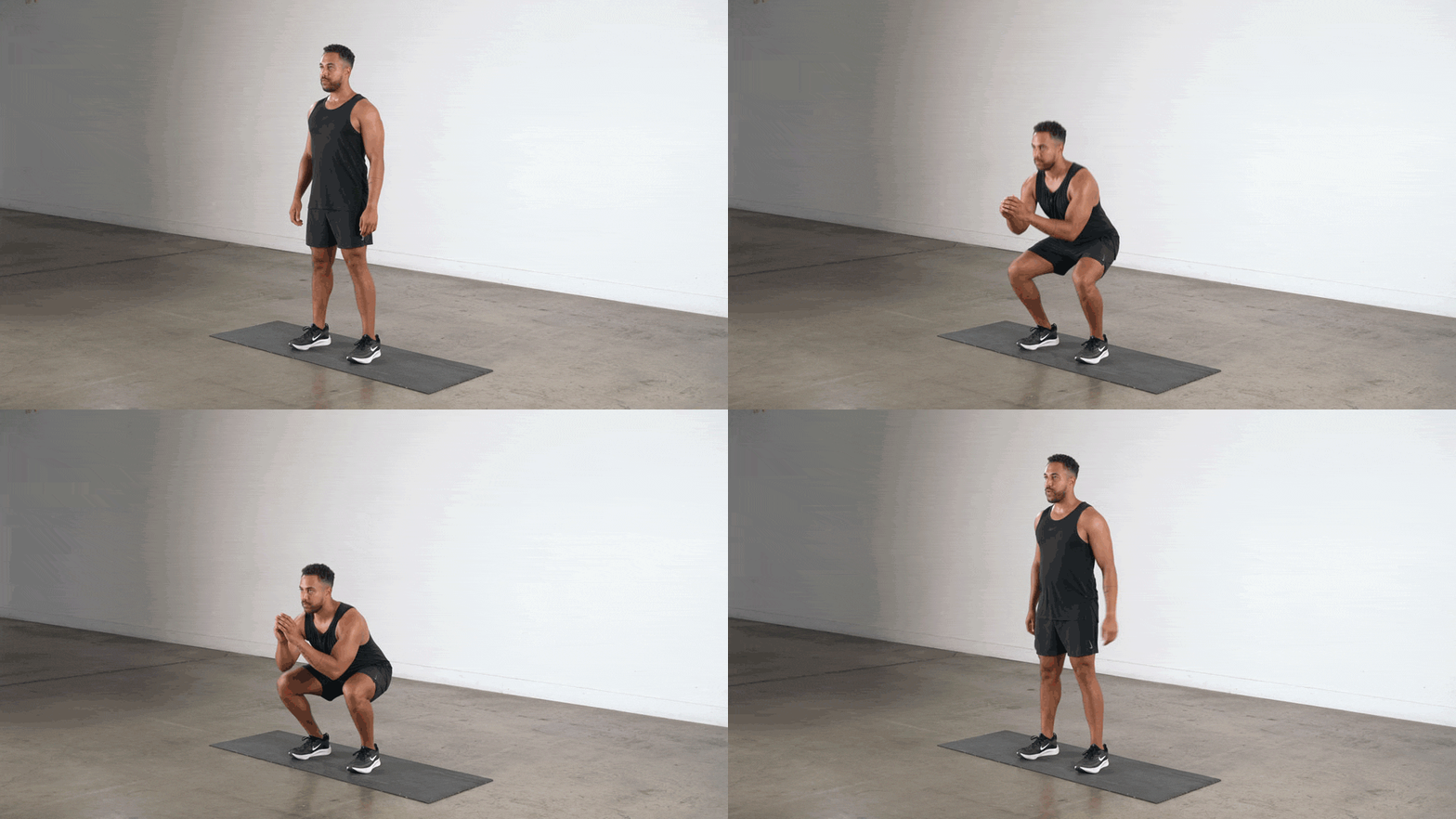
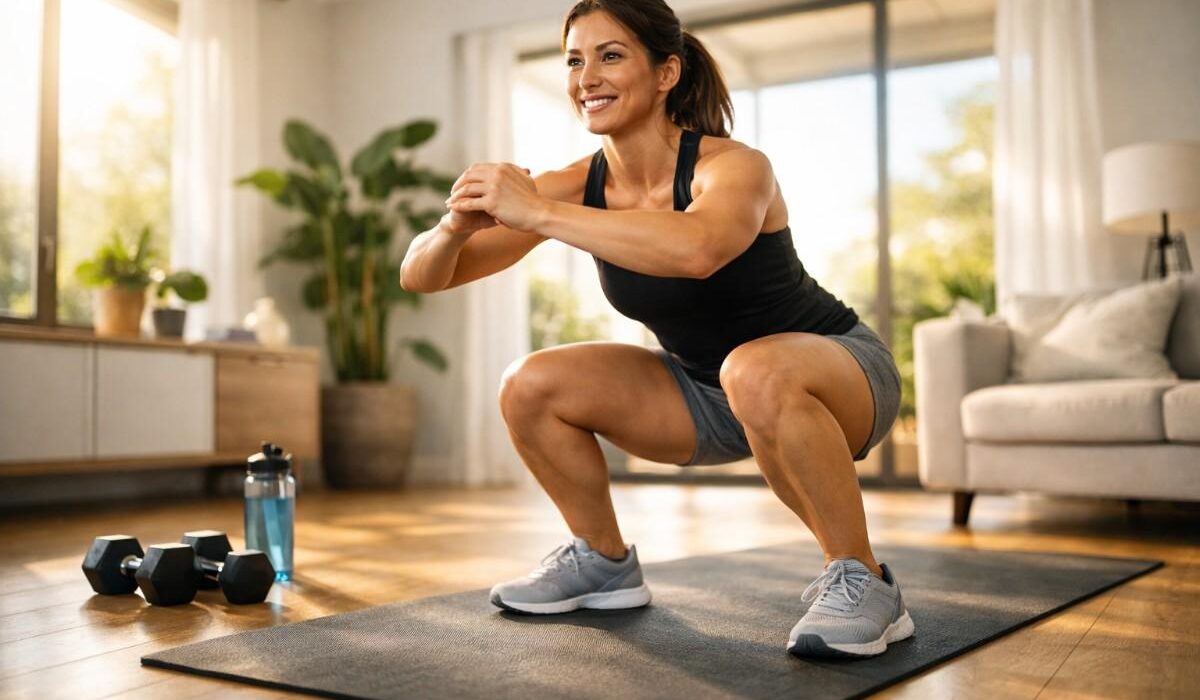
Bodyweight squats are one of the most effective exercises for building lower body strength while improving hip and ankle mobility.
This movement targets several important muscle groups, including the quadriceps, hamstrings, glutes, and core. Because squats mimic natural movements like sitting and standing, they are highly functional for everyday life.
To perform a squat, stand with your feet about shoulder-width apart. Slowly lower your hips backward and down as if sitting into a chair. Keep your chest upright and your weight balanced through your heels.
As you return to standing, focus on pushing through your heels and engaging your glutes.
Practicing squats regularly strengthens the lower body and promotes healthier joint movement in the hips and knees.
2. Push-Ups
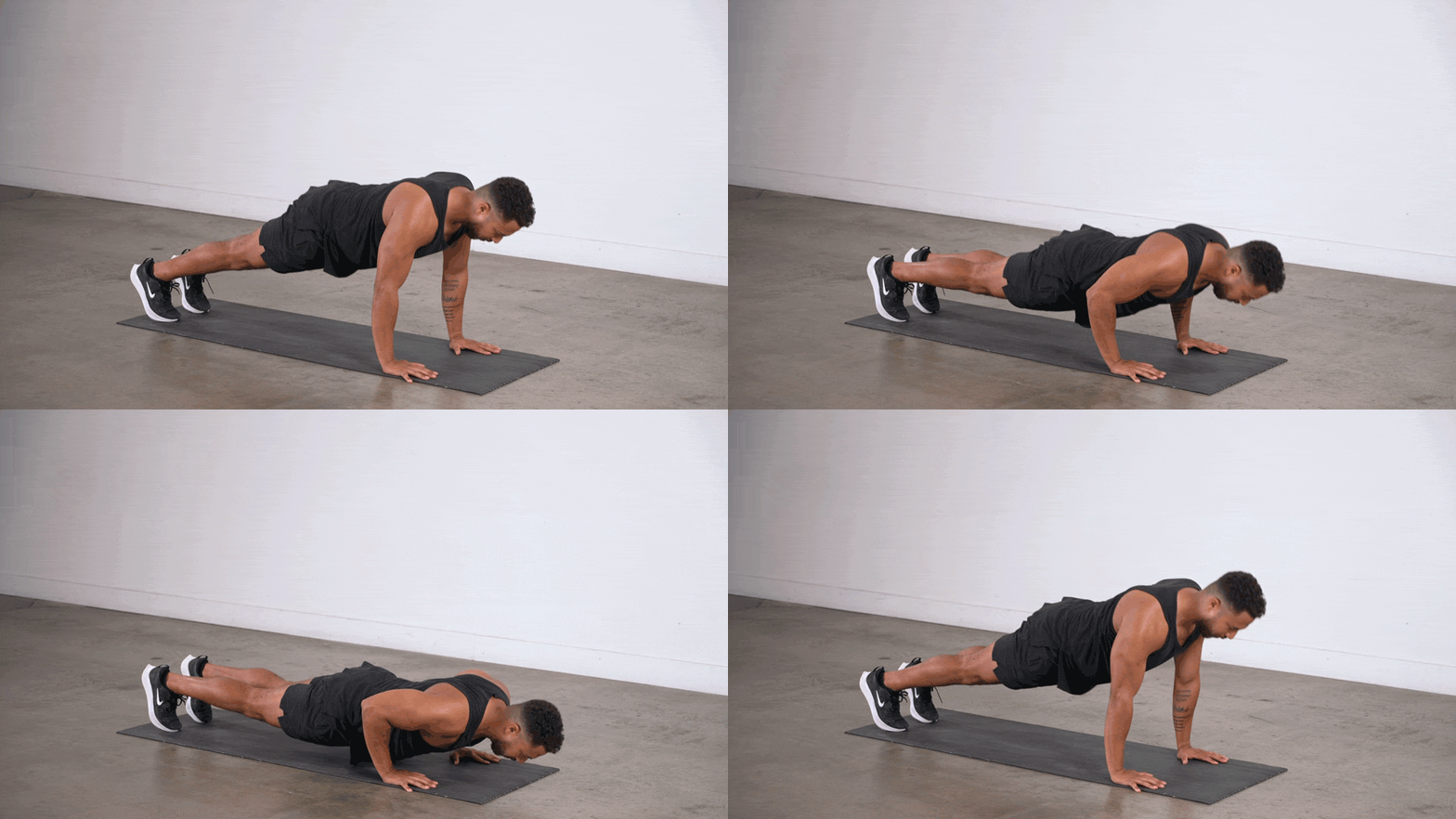
Push-ups are a powerful upper-body exercise that builds strength in the chest, shoulders, triceps, and core.
Unlike many gym exercises that isolate one muscle group, push-ups train several muscles simultaneously. They also help improve shoulder stability and core engagement.
Start in a plank position with your hands slightly wider than shoulder-width apart. Lower your chest toward the floor while keeping your body in a straight line from head to heels. Push through your palms to return to the starting position.
If full push-ups feel challenging, you can begin with knee push-ups or incline push-ups using a sturdy surface.
Over time, push-ups build upper body strength while improving overall body control.
3. Glute Bridges

Glute bridges are an excellent exercise for strengthening the glutes and supporting the lower back.
Many people experience weak glutes due to prolonged sitting, which can lead to poor posture and lower back discomfort. Glute bridges help reactivate these important muscles.
Lie on your back with your knees bent and feet flat on the floor. Press through your heels and lift your hips toward the ceiling until your body forms a straight line from shoulders to knees.
Pause briefly at the top before lowering slowly.
This exercise strengthens the posterior chain and promotes better hip stability and mobility.
4. Forward Lunges

Forward lunges are a highly effective movement for strengthening the legs while also improving balance and coordination.
Step forward with one leg and lower your body until both knees are bent at approximately ninety degrees. Keep your torso upright and your front knee aligned with your foot.
Push through the front heel to return to the starting position.
Lunges engage multiple muscles, including the glutes, quadriceps, hamstrings, and calves. Because each leg works independently, they also help correct muscular imbalances.
Over time, lunges improve both strength and joint stability.
5. Plank
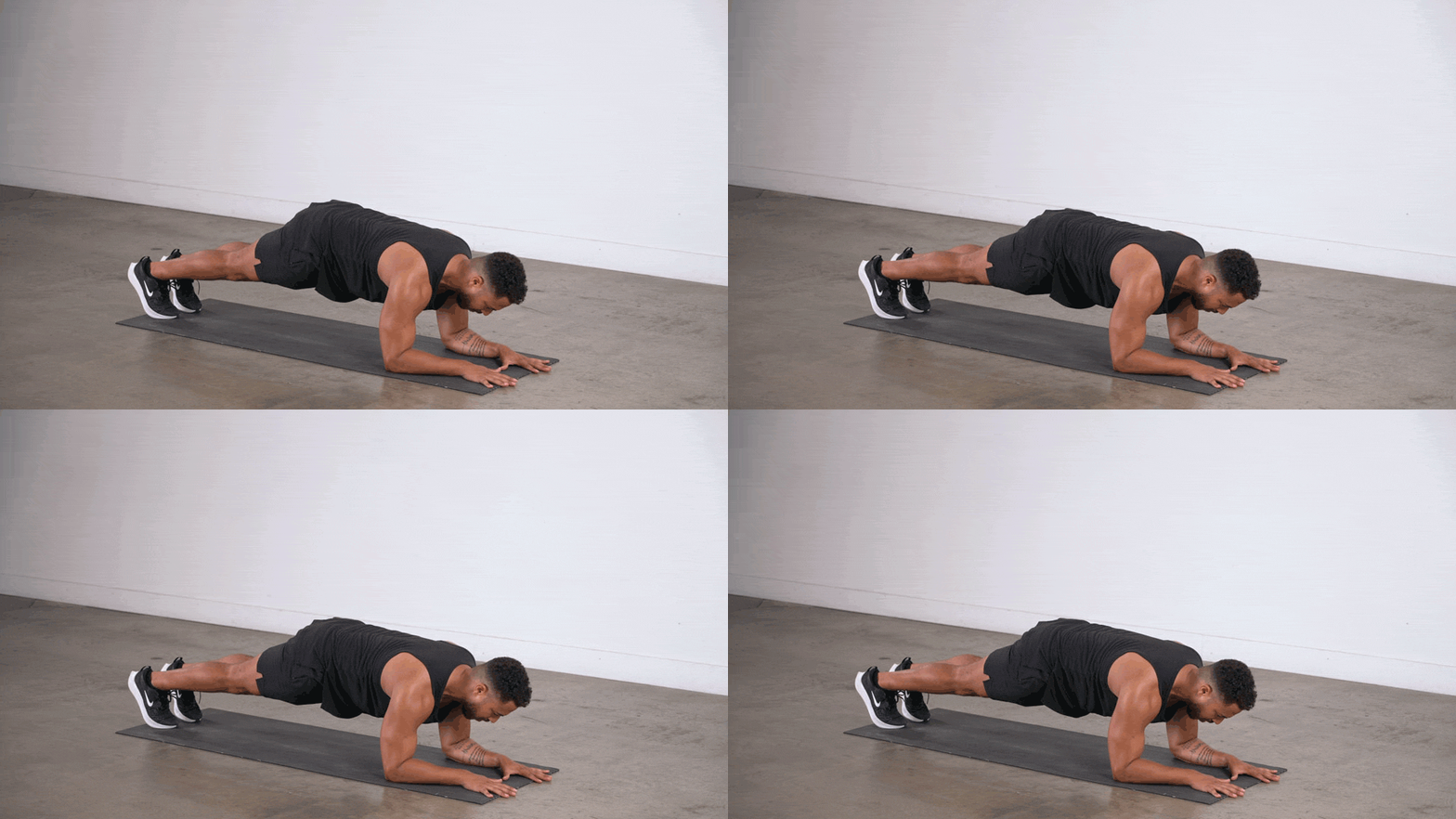
The plank is one of the most effective exercises for developing core strength and stability.
A strong core supports nearly every movement the body performs. From lifting objects to maintaining posture, core muscles play a vital role.
To perform a plank, place your forearms on the floor with your elbows directly under your shoulders. Extend your legs behind you and keep your body in a straight line.
Engage your abdominal muscles and hold the position while breathing steadily.
Even holding a plank for short intervals can significantly improve core endurance and spinal stability.
6. Hip Flexor Stretch

Tight hip flexors are extremely common, especially for people who sit for long periods during the day.
Stretching this area helps improve hip mobility and reduce strain on the lower back.
Begin in a lunge position with one knee on the floor and the other foot placed forward. Gently shift your hips forward until you feel a stretch at the front of your hip.
Keep your torso upright and hold the stretch for several breaths.
Regular hip flexor stretches can dramatically improve movement quality and reduce stiffness.
7. World’s Greatest Stretch
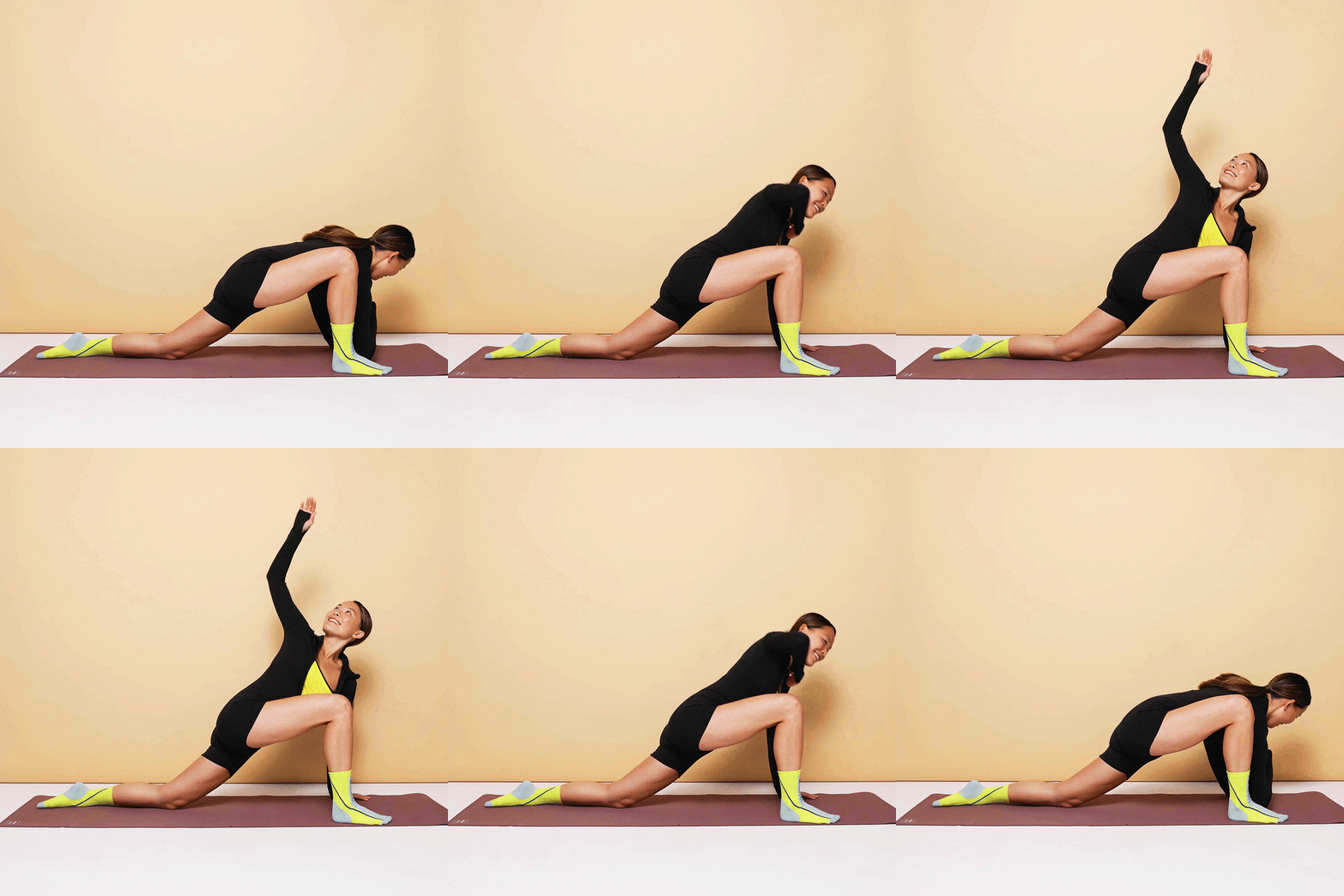
The “World’s Greatest Stretch” is a dynamic mobility exercise that targets several areas at once.
It improves hip mobility, spinal rotation, hamstring flexibility, and shoulder mobility.
Start in a deep lunge position with your back leg extended. Place one hand on the floor and rotate your torso upward while extending the opposite arm toward the ceiling.
This rotation encourages spinal mobility and helps loosen tight muscles throughout the body.
Because it combines multiple movements in one exercise, it is often used as part of a warm-up routine.
8. Arm Circles
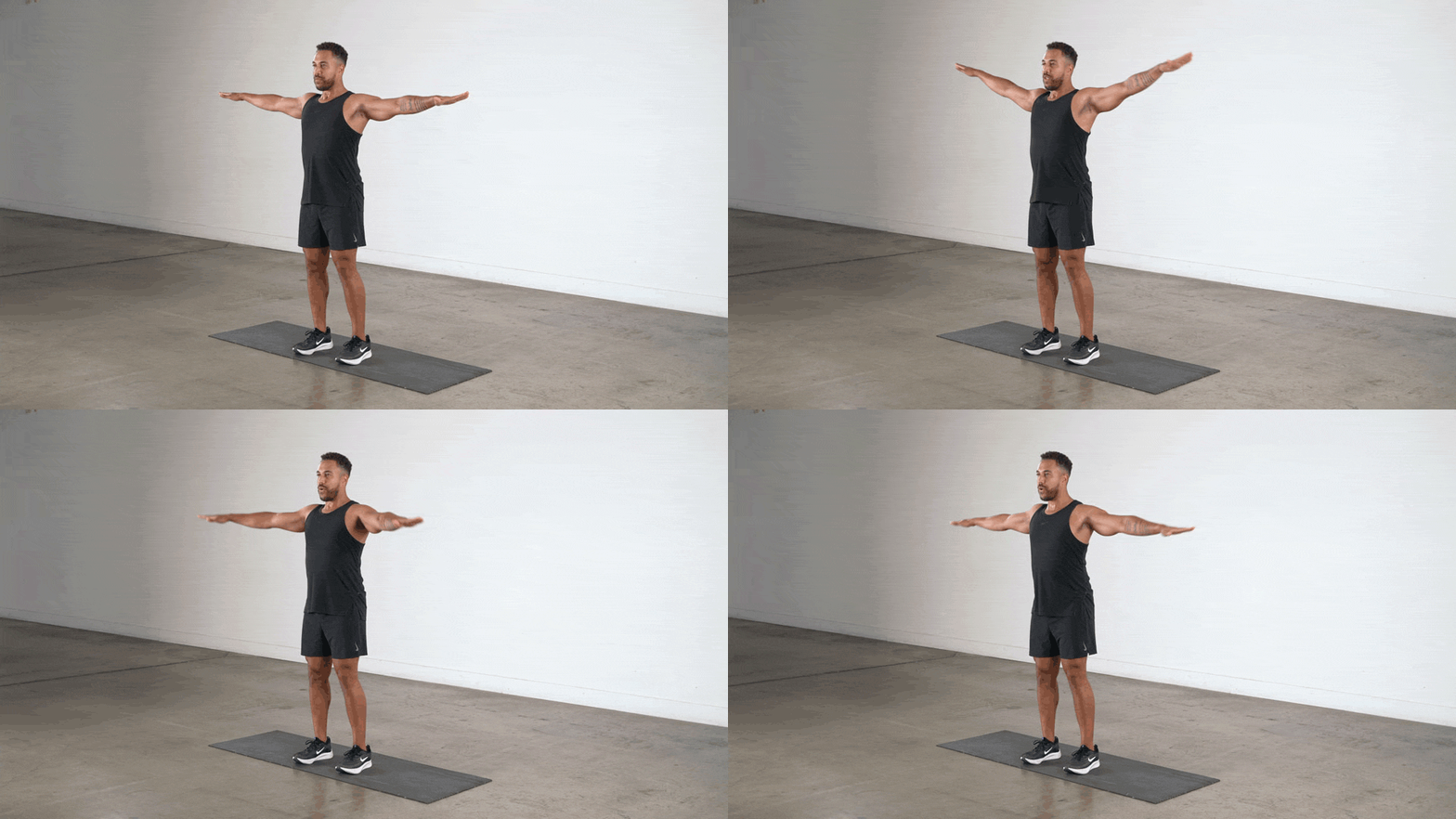
Arm circles are a simple yet effective way to improve shoulder mobility and warm up the upper body.
Stand upright with your arms extended out to the sides. Slowly rotate your arms forward in controlled circles, then reverse the direction.
Although the movement looks simple, it encourages healthy movement in the shoulder joint and prepares the muscles for more demanding exercises.
Regular shoulder mobility work can reduce tension and improve posture.
9. Reverse Lunges
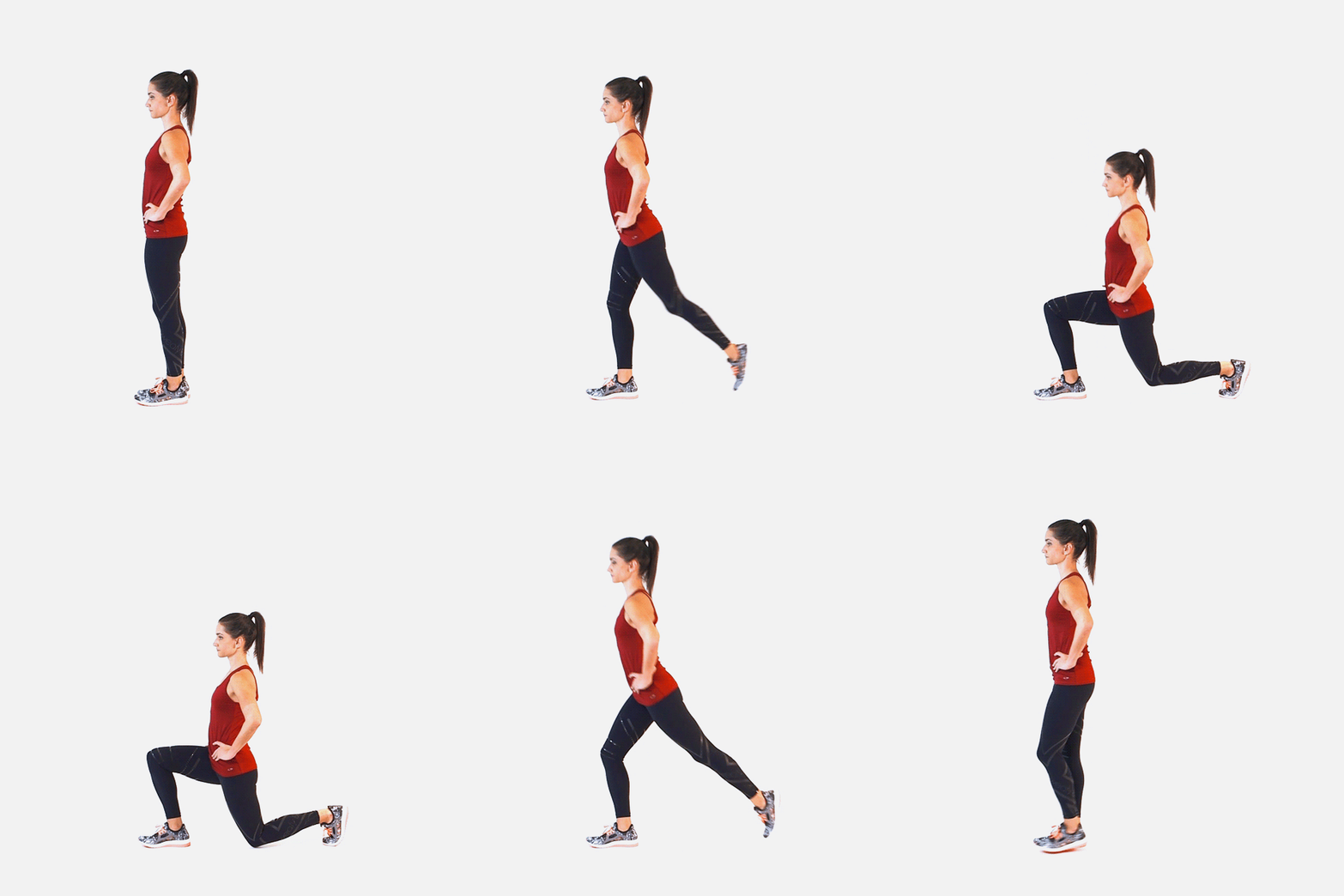
Reverse lunges are another excellent lower body exercise that emphasizes stability and balance.
Instead of stepping forward, step backward with one leg and lower your body until both knees are bent.
This variation often feels more comfortable for the knees and places greater emphasis on the glutes.
Reverse lunges improve lower body strength while also enhancing coordination and mobility.
10. Wall Slides
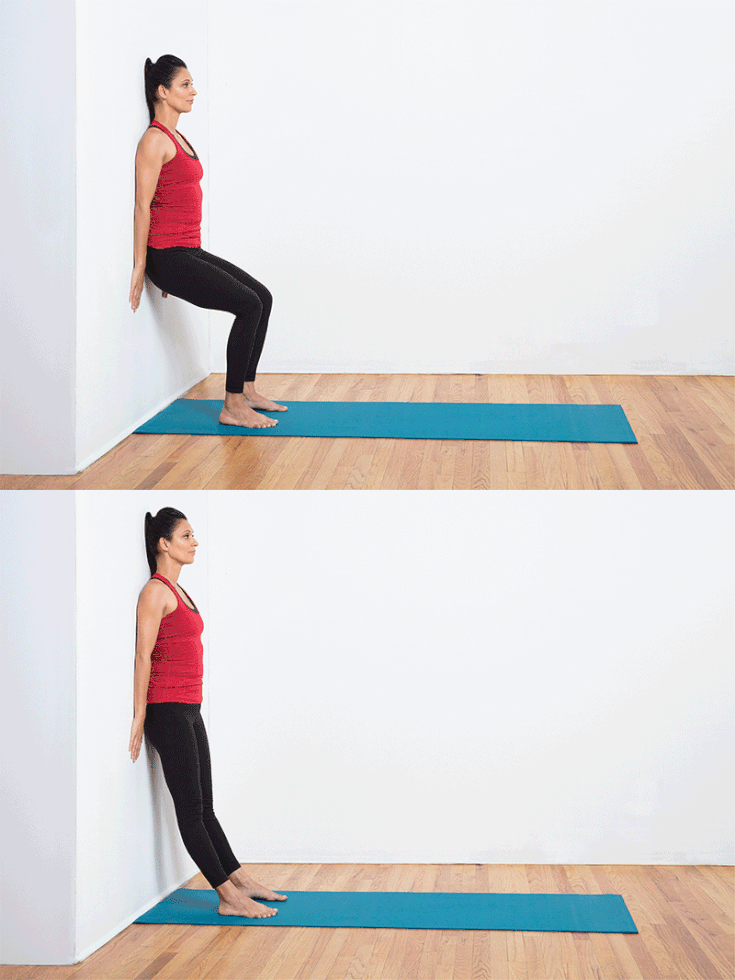
Wall slides are one of the best exercises for improving shoulder mobility and posture.
Stand with your back against a wall and raise your arms so they form a “goalpost” shape. Slowly slide your arms upward while keeping them in contact with the wall.
This movement strengthens the upper back and encourages proper shoulder alignment.
Over time, wall slides help counteract the effects of poor posture caused by long hours of sitting.
Helpful Tips for Building a Home Workout Routine
Building a routine at home doesn’t need to be complicated. The most important factor is consistency.
Try performing a short session three or four times per week. Each workout can include a mix of strength and mobility exercises to create a balanced routine.
A simple approach could involve starting with mobility exercises to warm up the joints, followed by strength movements that challenge the muscles.
When exercising at home, remember these key tips:
• Focus on slow, controlled movements rather than rushing through repetitions
• Pay attention to proper form to avoid unnecessary strain
• Start with manageable repetitions and gradually increase over time
• Include rest days so your muscles can recover
Small improvements made consistently over weeks and months lead to long-term results.
Conclusion
Strength and mobility are essential for maintaining a healthy, functional body. When these two elements are trained together, your body becomes stronger, more flexible, and better prepared for everyday movement.
The exercises in this guide-such as squats, push-ups, lunges, planks, and mobility stretches-provide a solid foundation for improving overall fitness without needing a gym.
By practicing these movements consistently at home, you can build muscle, increase flexibility, and support long-term joint health.
The key is to start simple and stay consistent. Even short home workouts can deliver powerful benefits when performed regularly.
Over time, these small habits can lead to stronger muscles, better movement, and improved physical confidence.