

 By
By Introduction
Inflammation is your body’s natural defense mechanism. When you get injured or sick, inflammation helps your immune system respond and heal the affected area. In the short term, this response is beneficial. But when inflammation becomes chronic, it can silently contribute to many health problems including heart disease, diabetes, arthritis, and digestive disorders.
Modern lifestyles often make chronic inflammation worse. Processed foods, high sugar intake, stress, poor sleep, and lack of physical activity can all trigger inflammatory responses in the body. Over time, this persistent inflammation can damage tissues and disrupt normal bodily functions.
The good news is that your daily diet can make a meaningful difference. Many fruits and vegetables contain natural compounds such as antioxidants, polyphenols, vitamins, and phytonutrients that help the body fight inflammation naturally. By adding the right plant foods to your meals, you can support your immune system and promote long-term health.
In this guide, we’ll explore 13 anti-inflammatory fruits and vegetables that are widely recognized for their ability to help reduce inflammation and support overall wellness.
Why Anti-Inflammatory Foods Matter

Before diving into the list, it’s helpful to understand why anti-inflammatory foods are so powerful.
Chronic inflammation often develops quietly inside the body. You might not notice it immediately, but over time it can affect different organs and systems. Research consistently shows that diets rich in whole plant foods are associated with lower inflammation levels and better long-term health outcomes.
Fruits and vegetables help combat inflammation because they contain:
- Antioxidants that neutralize harmful free radicals
- Fiber that supports gut health and balanced digestion
- Vitamins and minerals that support immune function
- Plant compounds (phytonutrients) that regulate inflammatory pathways
The more variety you include in your diet, the more diverse protective compounds your body receives.
1. Blueberries
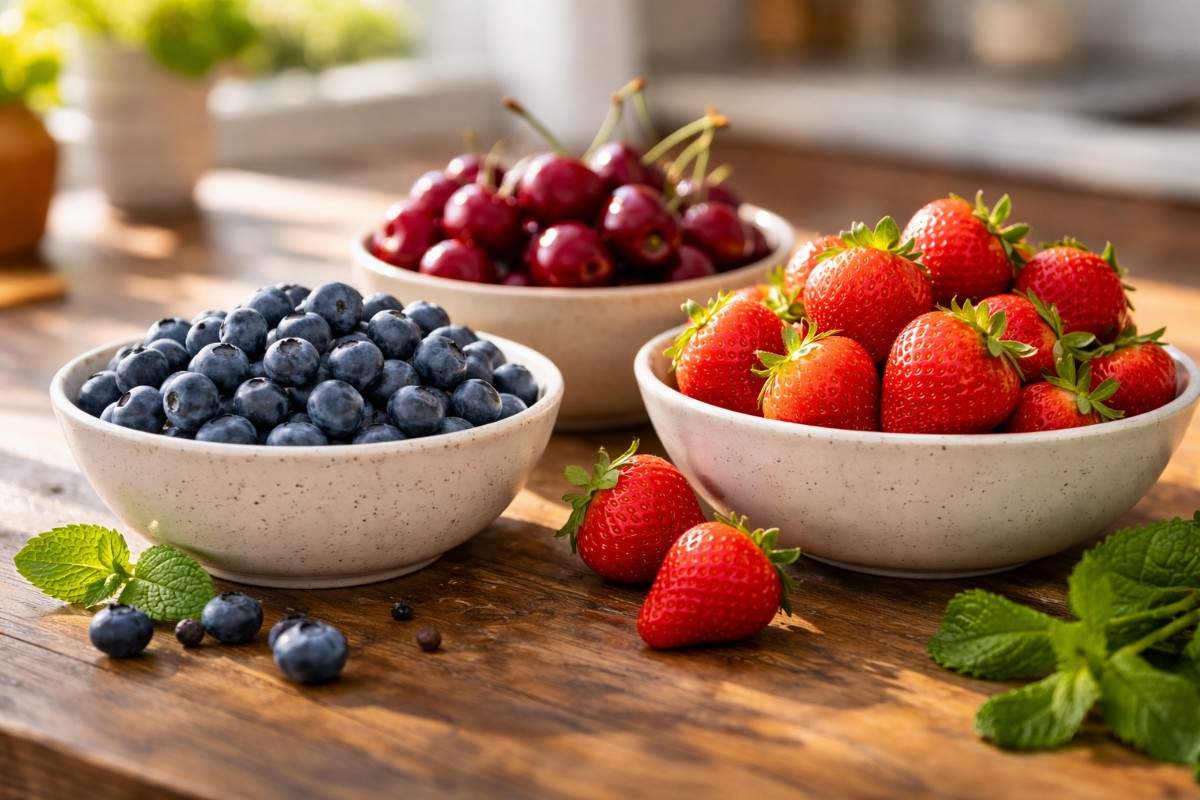
Blueberries are often considered one of the most powerful anti-inflammatory fruits available.
These small berries are packed with anthocyanins, which are antioxidant compounds responsible for their deep blue color. Anthocyanins help protect cells from oxidative stress, a key driver of inflammation.
Regular consumption of blueberries has been linked to improved immune function, better heart health, and reduced markers of inflammation in the body.
They are also incredibly easy to add to your diet. Blueberries work well in smoothies, oatmeal, yogurt bowls, or simply eaten fresh as a snack.
2. Strawberries
Strawberries are another berry rich in antioxidants and anti-inflammatory nutrients.
They contain high levels of vitamin C, a nutrient known to support immune health and reduce inflammatory responses. Strawberries also contain polyphenols that may help protect the body from oxidative damage.
In addition to their health benefits, strawberries add natural sweetness to meals without the need for refined sugar. Fresh strawberries can be added to salads, breakfast bowls, or blended into smoothies.
3. Cherries
Cherries are widely studied for their anti-inflammatory properties, particularly tart cherries.
They contain antioxidants known as anthocyanins and flavonoids, which help lower inflammatory markers in the body. Many athletes even consume tart cherry juice because it may help reduce muscle soreness and speed recovery after intense exercise.
Regularly eating cherries may also support joint health and help reduce symptoms associated with inflammatory conditions.
4. Oranges
Oranges are well known for their vitamin C content, but their anti-inflammatory benefits go beyond that.
They contain several beneficial plant compounds including flavonoids and carotenoids, which help protect the body from inflammation and oxidative stress.
Vitamin C also plays a role in collagen production and immune defense. Eating whole oranges rather than drinking orange juice is generally recommended because the fiber helps regulate blood sugar and supports gut health.
5. Pineapple
Pineapple contains a unique enzyme called bromelain, which has been studied for its anti-inflammatory effects.
Bromelain may help reduce swelling and inflammation, particularly in muscles and joints. It’s sometimes even used in natural remedies for digestive health and recovery after surgery or injury.
Fresh pineapple provides hydration, vitamin C, and natural sweetness, making it a refreshing addition to fruit salads or smoothies.
6. Avocado
Although often thought of as a vegetable, avocado is technically a fruit and a powerful anti-inflammatory food.
Avocados are rich in healthy monounsaturated fats, which help reduce inflammatory markers and support heart health. They also contain potassium, fiber, and antioxidants such as lutein.
Because of their creamy texture, avocados can be added to salads, sandwiches, smoothies, or spread on whole-grain toast.
7. Tomatoes
Tomatoes are a major source of lycopene, a potent antioxidant associated with reduced inflammation and improved heart health.
Interestingly, lycopene becomes even more bioavailable when tomatoes are cooked. This means foods like tomato sauce, roasted tomatoes, and soups can provide even greater benefits.
Tomatoes also contain vitamin C and potassium, making them a valuable addition to anti-inflammatory diets.
8. Spinach
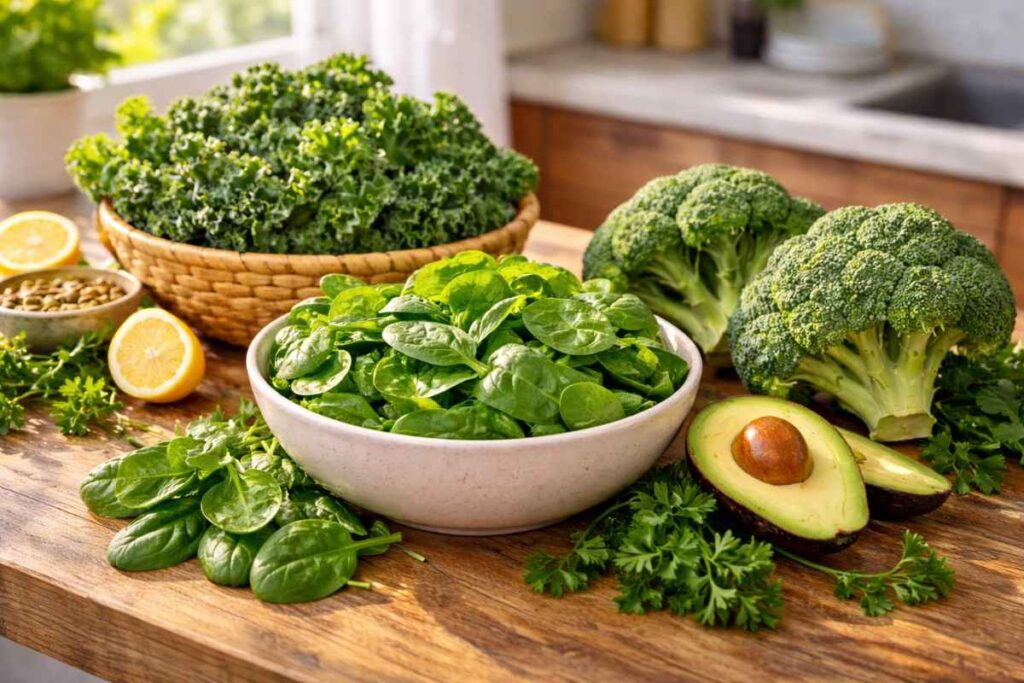
Spinach is one of the most nutrient-dense leafy greens you can eat.
It contains vitamins A, C, and K along with powerful antioxidants such as quercetin. These nutrients help protect cells from oxidative stress and may reduce inflammatory responses in the body.
Spinach is also very versatile. It can be added to salads, smoothies, omelets, soups, or sautéed as a side dish.
9. Kale
Kale is often considered a superfood for good reason.
This leafy green contains a wide range of anti-inflammatory compounds including polyphenols, carotenoids, and vitamin K. Vitamin K plays an important role in regulating inflammation and supporting bone health.
Adding kale to soups, salads, or smoothies is a simple way to increase your intake of protective plant nutrients.
10. Broccoli
Broccoli is part of the cruciferous vegetable family and contains a compound called sulforaphane.
Sulforaphane has been studied for its potential to reduce inflammatory pathways and support detoxification processes in the body. Broccoli also provides fiber, vitamin C, and several antioxidants.
Lightly steaming broccoli is often the best way to preserve its nutritional benefits.
11. Bell Peppers
Bell peppers, especially red and yellow varieties, are packed with antioxidants and vitamin C.
These colorful vegetables contain carotenoids and flavonoids that help reduce oxidative stress and support immune function.
They also add vibrant color and natural sweetness to meals, making them perfect for stir-fries, salads, roasted dishes, or stuffed vegetable recipes.
12. Carrots
Carrots are rich in beta-carotene, an antioxidant that the body converts into vitamin A.
Beta-carotene helps protect cells from oxidative damage and may support immune health and eye health. Carrots also provide fiber that supports gut bacteria, which plays a role in regulating inflammation.
They can be enjoyed raw, roasted, steamed, or blended into soups.
13. Beets
Beets are known for their deep red color and powerful anti-inflammatory compounds.
They contain betalains, antioxidants that help combat oxidative stress and support detoxification processes in the body. Beets may also support heart health by helping regulate blood pressure and improving blood flow.
Roasted beets, beet salads, or beet smoothies are excellent ways to include them in your diet.
Simple Tips to Add More Anti-Inflammatory Foods to Your Diet
You don’t need a complicated diet plan to benefit from anti-inflammatory foods. Small daily habits can make a significant difference over time.
Here are a few simple strategies:
• Try to include at least two different fruits and vegetables at every meal
• Choose colorful produce to get a variety of antioxidants
• Replace processed snacks with fresh fruit or vegetable options
• Add leafy greens to smoothies or breakfast dishes
• Use vegetables as the base of lunches and dinners
Consistency matters more than perfection. Even gradually increasing your intake of these foods can support long-term health.
Conclusion
Chronic inflammation plays a role in many modern health conditions, but diet is one of the most powerful tools we have to manage it.
Fruits and vegetables provide natural compounds that help regulate inflammatory processes, support immune health, and protect the body from oxidative stress. By regularly including foods like berries, leafy greens, broccoli, tomatoes, and avocados in your meals, you can create a diet that supports both immediate wellness and long-term disease prevention.
The best approach is to focus on variety. Each fruit and vegetable contains unique nutrients, so eating a wide range of plant foods helps ensure your body receives a diverse mix of protective compounds.
Small changes in your daily meals can lead to meaningful improvements in your health over time.