

 By
By Introduction
Your immune system works around the clock to protect your body from viruses, bacteria, and other harmful invaders. But like any defense system, it needs the right fuel to perform at its best. The foods you eat every day play a major role in how strong and responsive your immune system becomes.
Many people look for supplements or quick fixes when they feel their immunity is low. However, research consistently shows that a balanced diet rich in vitamins, antioxidants, and essential nutrients is one of the most effective ways to support immune health naturally.
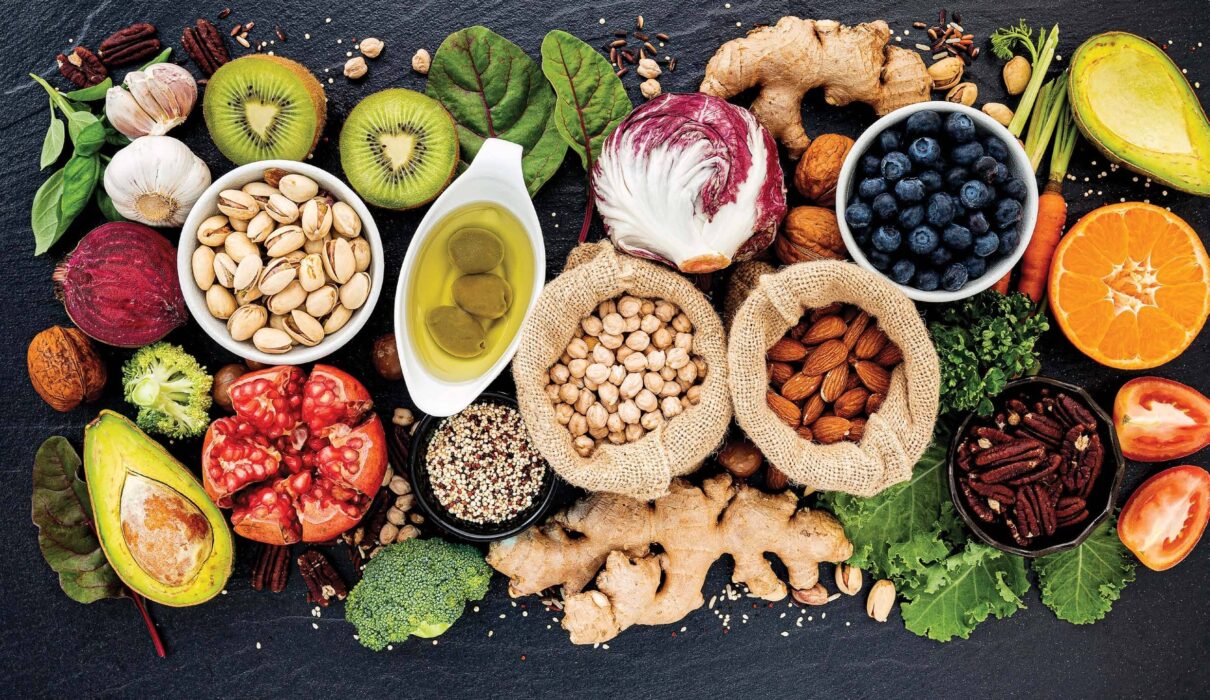
The good news is that some of the most powerful immune-supporting foods are simple, affordable, and easy to include in everyday meals. In this guide, we’ll explore 15 foods that naturally boost your immune system and explain how they help your body stay strong and resilient.
Why Nutrition Is Essential for a Strong Immune System
Your immune system depends on a complex network of cells, tissues, and organs that work together to fight infections. For these systems to function properly, your body requires key nutrients such as vitamin C, vitamin D, zinc, antioxidants, and healthy fats.
When your diet lacks these nutrients, immune cells may struggle to respond effectively to pathogens. On the other hand, nutrient-rich foods help immune cells develop, communicate, and respond faster to threats.
Whole foods also contain natural compounds like polyphenols, flavonoids, and plant antioxidants. These substances help reduce inflammation, protect cells from damage, and improve overall immune response.
In simple terms, eating the right foods regularly helps your immune system stay prepared before illness strikes.
15 Foods That Boost Your Immune System Naturally
1. Citrus Fruits
Citrus fruits are widely known for their high vitamin C content, a nutrient essential for immune defense. Vitamin C helps stimulate the production of white blood cells, which play a critical role in fighting infections.
Common citrus fruits include oranges, lemons, grapefruits, and limes. Regularly consuming these fruits may help shorten the duration of colds and support immune cell activity.
Because the body cannot store vitamin C for long periods, eating citrus fruits frequently helps maintain steady levels of this important nutrient.
2. Garlic
Garlic has been used in traditional medicine for centuries due to its powerful antimicrobial properties. Its immune-supporting benefits come from sulfur compounds like allicin, which may help fight harmful bacteria and viruses.
Beyond its infection-fighting potential, garlic also supports heart health and reduces inflammation in the body.
Adding fresh garlic to soups, sauces, stir-fries, and roasted vegetables is an easy way to incorporate its immune benefits into everyday meals.
3. Ginger
Ginger is another natural ingredient known for its immune-supporting properties. It contains powerful anti-inflammatory compounds that help reduce oxidative stress in the body.
Chronic inflammation can weaken immune responses over time, so consuming anti-inflammatory foods like ginger may help keep your immune system balanced.
Many people also use ginger to soothe sore throats, reduce nausea, and support digestion during illness.
4. Spinach
Spinach is packed with nutrients that support immune function, including vitamin C, beta-carotene, and antioxidants. These nutrients help improve infection-fighting ability and protect cells from damage.
Spinach is also rich in folate, which plays a role in the formation of new cells, including immune cells.
Light cooking can help your body absorb more of spinach’s nutrients, making sautéed spinach or spinach soups excellent choices for immune health.
5. Yogurt
Yogurt is an excellent source of probiotics, beneficial bacteria that support gut health. A large portion of the immune system is connected to the gut, making digestive health essential for immunity.
Probiotics help maintain a balanced gut microbiome, which can influence how well the body responds to infections.
When choosing yogurt, it’s best to select varieties with live and active cultures and minimal added sugar.
6. Almonds
Almonds are rich in vitamin E, a powerful antioxidant that helps protect immune cells from oxidative damage.
While vitamin C often receives more attention for immune health, vitamin E plays an equally important role in maintaining strong immune defenses.
Just a small handful of almonds provides a significant portion of your daily vitamin E needs, making them an easy and nutritious snack.
7. Turmeric
Turmeric contains an active compound called curcumin, known for its anti-inflammatory and antioxidant effects.
Chronic inflammation can weaken the immune system over time. Curcumin helps reduce inflammatory responses and may support the activity of immune cells.
Turmeric is commonly used in curries, soups, teas, and golden milk drinks, making it a flavorful way to enhance both taste and health benefits.
8. Green Tea
Green tea contains powerful antioxidants called catechins, which help protect the body from harmful free radicals.
These antioxidants may enhance immune function by supporting the body’s natural defense mechanisms and reducing cellular damage.
Green tea also contains L-theanine, an amino acid that may assist in the production of infection-fighting compounds in immune cells.
9. Broccoli
Broccoli is one of the most nutrient-dense vegetables available. It provides vitamins A, C, and E, along with fiber and numerous antioxidants.
These nutrients work together to support immune cell function and protect the body from oxidative stress.
Because broccoli is so nutrient-rich, even small servings can contribute significantly to daily immune-supporting nutrition.
10. Blueberries
Blueberries contain flavonoids, a type of antioxidant that plays a role in strengthening immune defense.
Research suggests that flavonoids may help protect the respiratory system from infections and reduce inflammation throughout the body.
Blueberries are easy to add to smoothies, oatmeal, yogurt bowls, or healthy desserts.
11. Sunflower Seeds
Sunflower seeds are packed with nutrients like vitamin E, selenium, and magnesium, all of which contribute to immune health.
Selenium helps regulate immune responses, while vitamin E protects cells from oxidative stress.
Adding sunflower seeds to salads, yogurt, or snack mixes can provide an easy nutritional boost.
12. Papaya
Papaya is another fruit extremely rich in vitamin C. In fact, a single papaya can provide more than the recommended daily intake of this nutrient.
It also contains digestive enzymes such as papain, which may help reduce inflammation and improve digestion.
Papaya’s combination of vitamins, antioxidants, and digestive support makes it a powerful immune-friendly fruit.
13. Sweet Potatoes
Sweet potatoes are high in beta-carotene, a nutrient that the body converts into vitamin A.
Vitamin A plays a crucial role in maintaining the health of the skin and mucous membranes, which act as the body’s first line of defense against pathogens.
Including sweet potatoes in meals provides both immune benefits and sustained energy from complex carbohydrates.
14. Mushrooms
Certain mushrooms, such as shiitake and maitake, contain compounds that help regulate immune responses.
They may support the production and activity of white blood cells, which are essential for fighting infections.
Mushrooms also provide important nutrients like B vitamins and selenium, which contribute to overall immune health.
15. Fatty Fish
Fatty fish such as salmon, sardines, and mackerel are rich in omega-3 fatty acids.
These healthy fats help regulate inflammation in the body and support immune cell communication.
Fatty fish are also one of the best dietary sources of vitamin D, a nutrient strongly linked to immune system function.
Simple Ways to Add Immune-Boosting Foods to Your Diet
Supporting your immune system doesn’t require drastic diet changes. Small, consistent improvements in daily meals can make a meaningful difference over time.
Some practical strategies include:
• Add fresh fruit like berries or papaya to your breakfast
• Include leafy greens or broccoli in lunch and dinner meals
• Snack on almonds or sunflower seeds instead of processed snacks
• Drink green tea instead of sugary beverages
• Use garlic, turmeric, and ginger when cooking
Over time, these simple habits create a nutrient-rich diet that naturally strengthens your body’s defenses.
Lifestyle Habits That Strengthen Immunity
While food plays a crucial role, immunity is influenced by several lifestyle factors as well.
Healthy habits that support your immune system include:
• Getting adequate sleep each night
• Staying physically active
• Managing stress effectively
• Drinking enough water
• Maintaining a balanced diet consistently
When these habits work together, they create a strong foundation for long-term health.
Conclusion
A strong immune system is built through consistent daily habits, and nutrition is one of the most powerful tools available. The foods you choose can influence how effectively your body defends itself against illness.
Incorporating nutrient-dense foods like citrus fruits, garlic, spinach, yogurt, fatty fish, and berries provides your body with the vitamins, antioxidants, and compounds needed to support immune function.
Rather than relying solely on supplements or temporary solutions, focusing on whole foods helps build lasting resilience. By regularly including these 15 immune-boosting foods in your meals, you give your body the natural support it needs to stay healthy and energized.
Small dietary choices made every day can have a big impact on your immune strength over time.