

 By
By Introduction
Your gut does far more than simply digest food. It plays a central role in immunity, metabolism, mental health, and overall well-being. Inside your digestive system lives a complex ecosystem of trillions of bacteria known as the gut microbiome, and what you eat strongly influences how healthy that ecosystem becomes.
Among all foods that support digestive health, fruits stand out as some of the most powerful. Many fruits contain dietary fiber, prebiotics, antioxidants, and polyphenols-nutrients that feed beneficial gut bacteria and help keep digestion running smoothly.
Doctors and gastroenterologists frequently recommend increasing fruit intake for people struggling with issues like bloating, irregular digestion, low energy, or poor gut balance. Certain fruits are especially effective because they contain natural compounds that support beneficial microbes while reducing inflammation in the digestive tract.
Below are 10 gut-friendly fruits doctors often recommend eating daily to help nourish your microbiome and improve digestion naturally.
Why Fruits Are Essential for Gut Health
Before diving into the list, it’s helpful to understand why fruits play such a powerful role in digestive health.
Most gut-supportive fruits contain soluble fiber and natural plant compounds that act as fuel for beneficial bacteria. When gut bacteria digest these fibers, they produce substances called short-chain fatty acids, which help strengthen the intestinal lining and reduce inflammation.
Fruits also contain water and enzymes that support smoother digestion, making them easier on the stomach compared to many processed foods.
Regularly eating fiber-rich fruits may help:
- Support beneficial gut bacteria
- Improve digestion and regular bowel movements
- Reduce bloating and digestive discomfort
- Strengthen the gut lining
- Support immune health
Now let’s explore the fruits that digestive health experts frequently recommend.
1. Apples
Apples are often considered one of the best everyday fruits for gut health, and for good reason. They are rich in pectin, a type of soluble fiber that functions as a natural prebiotic.
When pectin reaches the large intestine, it feeds beneficial gut bacteria. These bacteria break it down and produce compounds that support a healthy intestinal environment.
Apples also contain polyphenols, plant antioxidants that may help improve microbial diversity in the gut. Greater diversity is often associated with stronger digestive and immune health.
Eating apples with the skin provides the most fiber, making them especially effective for digestion.
2. Bananas
Bananas are widely recommended by gastroenterologists because they are gentle on the stomach and packed with gut-friendly nutrients.
They contain resistant starch, particularly when slightly underripe. Resistant starch acts like fiber and feeds beneficial gut bacteria.
Bananas also help support digestion by providing:
- Natural electrolytes like potassium
- Gentle fiber that promotes regular bowel movements
- Easy-to-digest carbohydrates for energy
For people with sensitive stomachs or digestive discomfort, bananas are often one of the safest and most soothing fruit choices.
3. Berries (Blueberries, Strawberries, and Raspberries)
Berries are small but incredibly powerful when it comes to supporting gut health.
They are rich in fiber and polyphenols, compounds that nourish beneficial gut microbes. These compounds can help promote the growth of healthy bacteria while limiting harmful ones.
Raspberries in particular contain a very high amount of fiber relative to their size. Blueberries also contain antioxidants that may help reduce inflammation in the digestive tract.
Adding berries to breakfast, smoothies, or yogurt is an easy way to increase daily fiber intake without feeling overly full.
4. Papaya
Papaya has long been valued for its digestive-supportive properties. It contains a natural enzyme called papain, which helps break down proteins during digestion.
This enzyme can support smoother digestion and may reduce symptoms like bloating or heaviness after meals.
Papaya is also rich in fiber, vitamin C, and antioxidants that support overall digestive and immune health.
Because it’s naturally soft and easy to digest, papaya is often recommended for people recovering from digestive upset or stomach irritation.
5. Kiwi
Kiwi is one of the most underrated fruits for gut health. Research suggests that it may help improve bowel movement frequency and digestive comfort.
One reason kiwi is so beneficial is its combination of fiber, enzymes, and water content. These elements work together to support smoother digestion.
Kiwi also contains a natural enzyme called actinidin, which helps break down proteins and may support more efficient digestion after meals.
Many digestive health specialists recommend eating one or two kiwis daily for people struggling with occasional constipation.
6. Avocado
Although often thought of as a vegetable, avocado is technically a fruit-and one of the most gut-friendly foods you can eat.
Avocados are rich in soluble and insoluble fiber, both of which support digestive health in different ways.
Soluble fiber feeds beneficial gut bacteria, while insoluble fiber helps move food through the digestive system more efficiently.
Avocados also contain healthy fats that help reduce inflammation and support nutrient absorption in the digestive tract.
Adding avocado to salads, toast, or smoothies can significantly increase your daily fiber intake.
7. Oranges
Citrus fruits like oranges provide more than just vitamin C. They are also rich in fiber and flavonoids that may support gut microbial diversity.
One compound found in citrus fruits called hesperidin has been studied for its potential anti-inflammatory effects within the digestive system.
Oranges also provide hydration and natural sweetness, making them a refreshing and healthy snack option.
For the most fiber benefits, eating the whole fruit is better than drinking orange juice.
8. Mango
Mangoes are not only delicious but also highly supportive of digestive health.
They contain fiber along with natural enzymes that assist with digestion. These enzymes help break down food more efficiently, making mango easier to digest compared to many other fruits.
Mangoes also contain polyphenols that may promote beneficial gut bacteria growth.
Their natural sweetness makes them a great addition to smoothies, fruit bowls, or salads.
9. Pears
Pears are one of the highest-fiber fruits available, making them excellent for gut health.
They contain pectin and sorbitol, compounds that can help support smoother bowel movements.
The fiber in pears helps feed beneficial bacteria while also supporting regular digestion.
Like apples, pears are best eaten with the skin on, where a large portion of their fiber content is found.
10. Pomegranates
Pomegranates are rich in powerful plant compounds called polyphenols, particularly punicalagins and ellagic acid.
These compounds are metabolized by gut bacteria and may help support microbial diversity.
Pomegranates also provide antioxidants that help protect the digestive system from inflammation and oxidative stress.
Sprinkling pomegranate seeds onto salads, yogurt, or smoothie bowls is a simple way to boost both flavor and gut health benefits.
Helpful Tips to Improve Gut Health with Fruits
Simply eating fruit occasionally is not enough to significantly influence gut health. Consistency and variety are key.
Here are a few practical ways to make gut-friendly fruits part of your daily routine:
• Rotate different fruits throughout the week to support microbiome diversity
• Eat whole fruits rather than relying on fruit juices
• Pair fruits with protein or healthy fats for better digestion
• Add berries or kiwi to breakfast for an easy fiber boost
• Choose fruits with edible skins whenever possible for higher fiber intake
It’s also helpful to increase fruit consumption gradually. A sudden jump in fiber intake can sometimes cause temporary bloating while your digestive system adjusts.
Conclusion
Supporting your gut health does not require complicated diets or expensive supplements. Often, simple everyday foods can make a meaningful difference.
Fruits provide a powerful combination of fiber, antioxidants, enzymes, and prebiotic compounds that nourish beneficial gut bacteria and support healthy digestion.
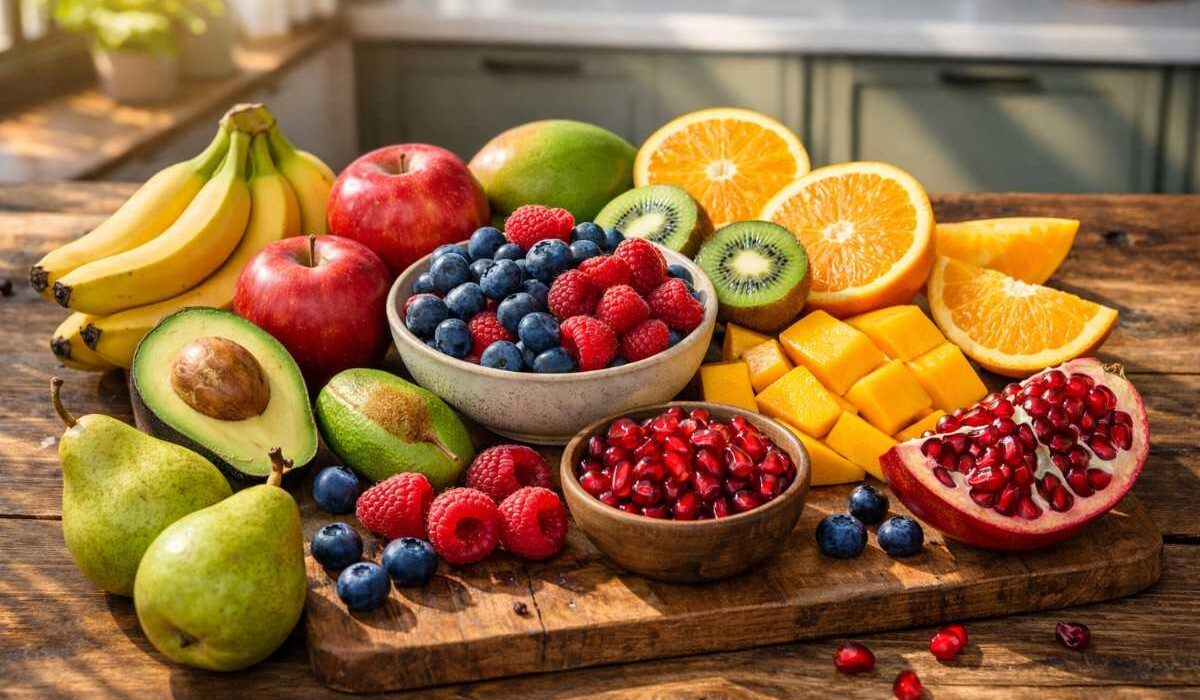
Apples, bananas, berries, kiwi, papaya, avocado, oranges, mangoes, pears, and pomegranates each offer unique benefits that help strengthen the gut microbiome.
Incorporating a variety of these fruits into your daily routine can help improve digestion, support immune health, and promote overall well-being.
Small dietary choices made consistently-like adding more gut-friendly fruits-can have a lasting positive impact on your health over time.