

 By
By Your brain is continuously active, whether you are awake or asleep, without receiving much recognition for its role in assisting individuals to think correctly, recall names, concentrate, manage emotions, and make sound choices throughout each day. For this reason, when someone is asking, “What is the best food for brain health?” they are inquiring about what kinds of actual nutritious foods to eat.
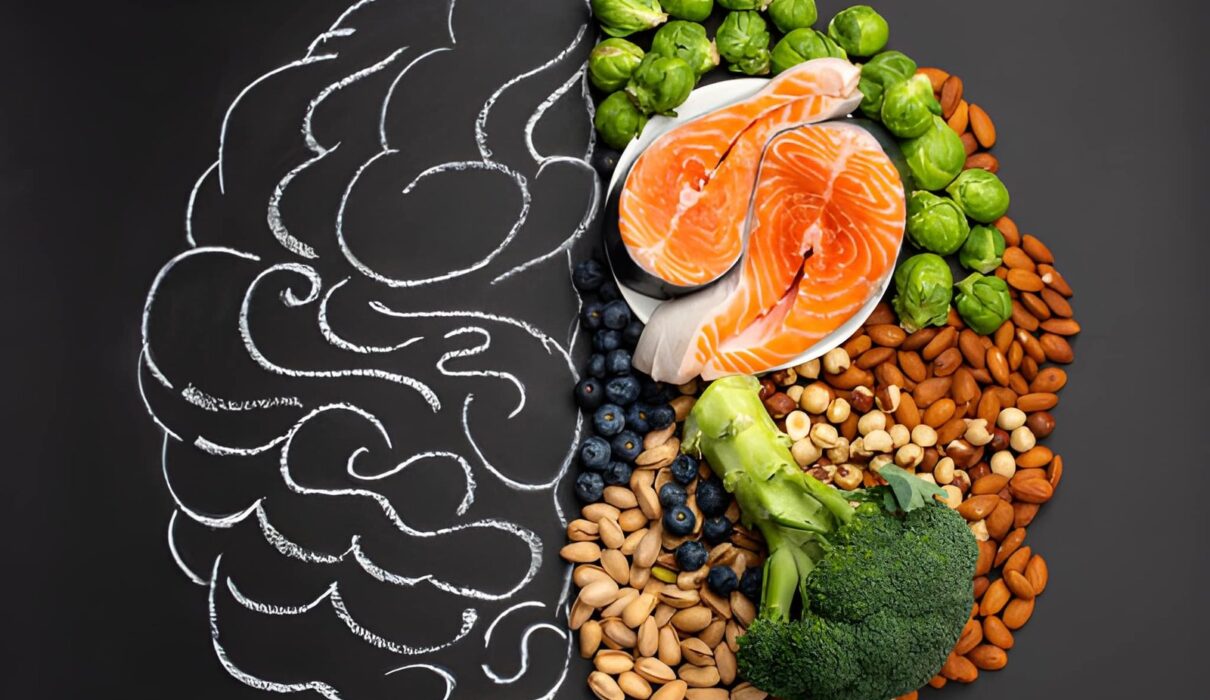
While there is no one superfood to maintain a healthy brain, studies and expert recommendations point to overall nutrition and dietary patterns, particularly the Mediterranean and MIND diet, as having positive effects on brain function. A typical Mediterranean or MIND diet would include an abundance of fruits, vegetables, whole grains, fish, nuts, and beans along with healthy fats.
The underlying message here is that maintaining a diet that enhances blood flow, reduces inflammation, and provides the essential nutrients needed for healthy brain function is the ultimate way to promote brain health.
15 Best Foods for Brain Health
1) Fatty fish
Salmon, sardines, trout, mackerel, and tuna are all considered one of the best options to consume for brain health due to their high quantity of omega 3’s. Omega 3’s are known to be beneficial in creating optimal structure and function in the brain. Because of this, fish is consistently recommended by major health sources to be included as part of an eating plan that optimally supports the brain.
If you follow the simple rule of eating fish a couple of times per week, it makes this choice easy to do. For instance, grilled salmon with vegetables, tuna on whole grain bread (e.g., sandwich), and sardines on toast are realistic options.
2) Blueberries
Blueberries are another very simple choice to make when looking for the best food for your brain because they are loaded with antioxidants and polyphenols. The positive impacts of blueberries are reiterated many times in brain-supportive eating plans because they have shown appropriate connections with the MIND diet and substantially contribute toward improving cognitive function overall.
The ease of use with blueberries also makes them a top choice; you can eat blueberries in oatmeal, yogurt, smoothies, or simply as a snack. This is an important factor, as the best foods for the brain are those that you will likely eat consistently.
3) Leafy greens
Leafy green vegetables, such as spinach, kale, collard greens, and broccoli are all significantly connected to healthy brain health. According to Harvard, these vegetables are full of vitamin K, lutein, folate, and beta carotene; research has shown a connection between these nutrients and slower rates of cognitive decline.
This is the single easiest way to improve your eating pattern – simply add a handful of leafy greens to eggs, add to pasta dishes, or use spinach or arugula as your salad base (highly recommend). A small consistent habit will outperform a big “health kick” any day!
4) Walnuts
Nuts are known as brain food, and walnuts, in particular, fit well into an anti-inflammatory diet with both their omega-3 fatty acids and phytochemicals supporting such nutrition.
Walnuts have been consistently associated with improving brain health by both researchers and throughout MIND-style eating plans. A daily handful has been shown to be sufficient. Walnuts can be sprinkled on yogurt and oatmeal or eaten together with fruits to create more balanced mixes that provide sustained energy.
5) Extra-virgin olive oil
Extra Virgin Olive Oil is an important element of Mediterranean and MIND-style eating plans. Extra Virgin Olive Oil contains many healthy unsaturated fats necessary for maintaining healthy blood flow through all vessels and is therefore important for good overall brain health.
Use it as your primary cooking oil — substitute regular oils or butter with Extra Virgin Olive Oil for the majority of your sautéing, salads, vegetable dishes, as well as light cooking. This can also help you to simplify transitioning to a healthier diet.
6) Eggs
Eggs are an important addition to this list of super foods because eggs are rich in choline — the nutrient that is essential in keeping the brain and nervous system functioning well. According to Cleveland Clinic, the choline in egg yolks aids the body’s ability to quickly recall information and improve mood and emotional state.
For most people, eggs provide a quick and easy source of breakfast/lunch protein. In addition to providing you with a quick source of protein, eggs can also be combined with leafy greens and whole-grain toast to create healthy yet filling meals that will sustain you throughout the day.
7) Whole grains
Whole grains such as oats, brown rice, quinoa, barley, and whole wheat bread create stable supplies of energy compared to sweets and sugar that can give you sudden quick bursts of energy. Both the MIND Diet and Harvard’s Brain Health Guidelines consider whole grains to be one of the fundamentals of a healthy diet.
A great way to start is by having breakfast. A bowl of oatmeal topped with berries and walnuts is an example of a simple “brain healthy superfood” meal that you can prepare.
8) Beans and lentils
Beans and lentils bring all the essentials for good nutrition to your plate: fiber, folate, protein and slow-digesting carbs. Their capacity to provide a sustainable source of energy allows them to be a fundamental component of any guideline for brain health and are part of all MIND Diet styles of eating.
Beans and lentils are also economic options for those that could use some financial help. Varieties of options you can prepare using legumes include lentil soup, bean salad, chili and hummus, so you won’t feel like you are on a diet when you eat more legumes.
9) Avocados
Avocados are full of monounsaturated fats, fiber and micronutrients, and as reported by the major healthcare providers, Avocados’ high nutrient density supports heart health and brain health. Monounsaturated fats are a good source of heart-healthy fats which in turn helps to maintain healthy blood circulation.
Avocados are an easy option to include in daily meals; mashed on toast, sliced and added to salads and blended into smoothies, will provide you with many options to choose from. Convenience supports long-term maintenance of healthy eating habits.
10) Pumpkin Seeds
Considering nuts and seeds are typically featured in diets geared toward brain health, their addition will be beneficial due to their mineral and healthy fat content. In addition, having seed-based snack options when you would otherwise have processed foods as the majority of your snack options can create a more complete whole food-based diet.
Consider keeping a small quantity in your bag or at your desk, so when you would normally reach for an unhealthy snack because your craving for something crunchy and satisfying, you will have something at hand.
11) Broccoli & Other Cruciferous Vegetables
Broccoli should not just be thought of as a side dish; it is rich in vitamins, fibre, and other plant-based compounds all of which are part of an eating pattern that supports brain health, and broccoli is considered one of the vegetable varieties that are associated with improved cognitive function according to Harvard Medical School.
Cruciferous vegetables are an excellent way to make meals, support your health, and feel full without adding many calories. You can roast broccoli by combining with olive oil, salt, and garlic and/or mix into pasta and grain dishes.
12) Coffee
Coffee may help improve alertness, memory, and reaction time because it contains caffeine. According to the Cleveland Clinic, moderate coffee consumption has the potential to be beneficial to our brains, however, consuming too much at one time can lead to feelings of jitters or interruptions to our sleep patterns.
While coffee can be a great way to start off your day, find a level of consumption that is moderate to you and does not include added sugar and is not consumed too late in the day.
13) Dark chocolate
High-cocoa, dark-chocolate (or dark chocolate that has a lot of cocoa in it) may help increase blood flow to the brain and improve cognitive ability, thanks to flavanols found in cacao. The Cleveland Clinic states that dark chocolate may also aid attention, memory, learning and general brain function.
The key here is ‘dark,’ not ‘candy bar.’ A smaller portion of high-cocoa, dark chocolate has much less sugar than milk chocolate, which makes it a much better food choice, especially if you have a sweet tooth and would like to keep your dietary plan on trac
14) Citrus fruits
Citrus — Oranges, grapefruit, lemon and other citrus fruits provide vitamin C and folate, both of which are important nutrients found in brain-healthy diets. Harvard continues to show that folate is a vitamin found in leafy vegetables, beans and citrus; therefore, citrus makes a great upgrade to your daily menu.
Adding orange slices to your breakfast, drinking lemon water, or eating fruits and nuts together as a snack are all simple ways to add citrus to your diet and provide you with a fresh and satisfying snack.
15) Green tea
Green tea completes the list by providing hydration along with vital compounds, including catechins and L-theanine; study after study has shown it may increase cognitive ability and can be part of an overall healthy lifestyle.
Green tea is a great replacement for sugar-filled, sweet, caffeinated beverages. If you want a milder option than coffee and would like to help your brain while keeping the sugar and calories down, green tea would be your best choice.
Frequently Asked Questions (FAQs)
1) What’s the best food I can eat to maximize my brain health?
There is not one best food for the overall function of our brains. The research suggests that a healthy eating pattern made from an abundance of fish, leafy greens, berries, whole grains, nuts, beans, and olive oil provides the strongest evidence of brain health.
2) Is there any type of food that will improve my memory?
The most recommended foods for memory support are: fatty fish, blueberries, leafy greens, eggs, and walnuts; these foods provide the essential nutrients of Omega 3- fatty acids, antioxidants, choline, and healthy fats.
3) Is the MIND diet effective for cognitive health?
Yes, the MIND diet was created specifically to support the cognitive health of an aging brain. Most authoritative sources will agree that a diet that emphasizes vegetables, berries, whole grains, nuts, beans, fish, poultry, and olive oil is helpful for overall cognitive health.
4) If I change my diet, won’t that keep me out of cognitive decline?
No. There is no one food that will keep you from going into cognitive decline. Nevertheless, developing a long‐term pattern of eating that is healthy for your brain is the best way to support good cognitive functioning; especially when coupled with adequate sleep, movement, and cardiovascular health.
Conclusion
If you want to eat for brain health, then the real answer is an abundance of nutritious foods. Fatty fish, berries, leafy greens, walnuts, eggs, whole grains, beans, avocados, olive oil, broccoli, dark chocolate, coffee, citrus, and green tea are all nutritious foods and belong in a “smarter” diet.
You do not need to adopt a dramatic health plan. Simply try one or two modifications this week and continue to gradually add more healthy changes until you are making healthy, brain-friendly choices on a regular basis. Those small daily decisions can eventually lead to stronger memory, greater attention and ultimately, better long‐term cognitive health.