

 By
By 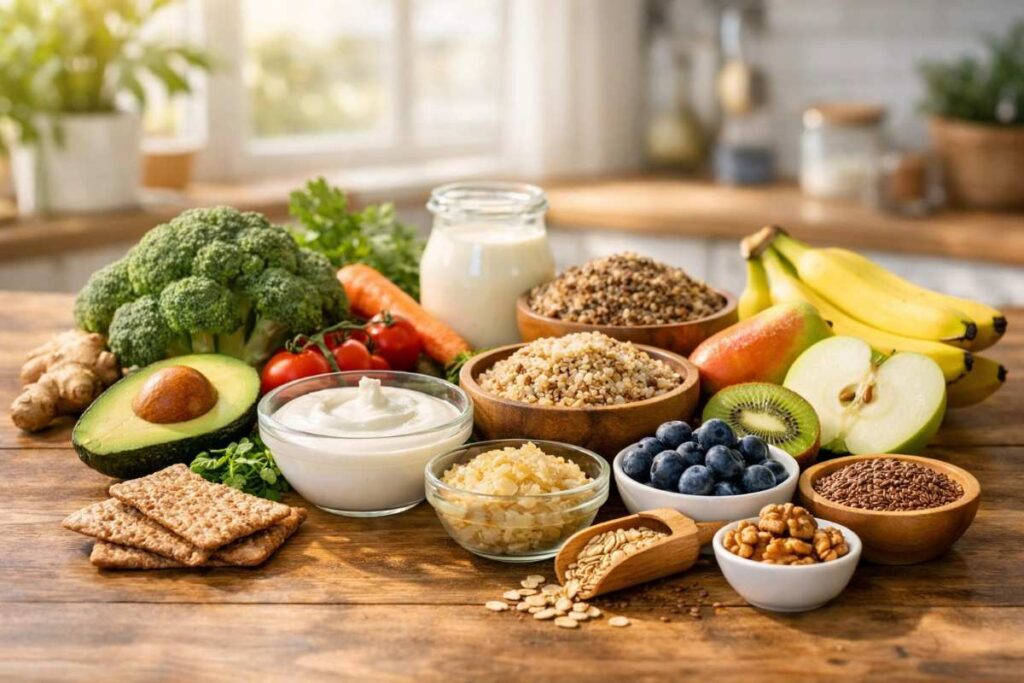
Introduction
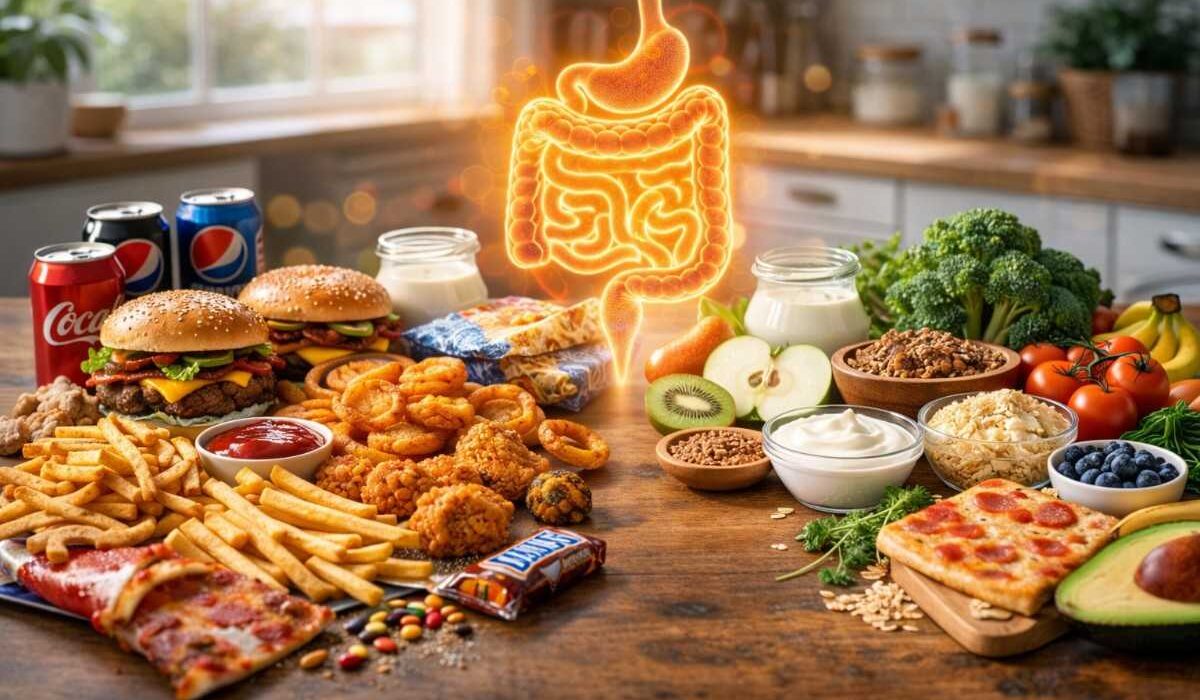
Your gut does far more than just digest food. It influences your immune system, energy levels, metabolism, and even your mood. Inside your digestive system lives a complex community of trillions of bacteria known as the gut microbiome, and what you eat plays a huge role in keeping this ecosystem balanced.
When your diet supports healthy gut bacteria, digestion tends to run smoothly. But certain foods can disrupt this delicate balance, leading to issues like bloating, constipation, inflammation, acid reflux, and poor nutrient absorption.
The problem is that many of the worst foods for gut health are extremely common in modern diets. Some are convenient, others taste great, and a few are even marketed as “healthy.” In reality, regular consumption of these foods can slowly damage your digestive system.
Let’s explore seven of the worst foods for gut health and why limiting them can dramatically improve your digestive wellness.
1. Ultra-Processed Foods

Ultra-processed foods are one of the biggest threats to gut health today. These foods are typically loaded with preservatives, artificial additives, unhealthy fats, and refined ingredients.
Examples include:
- Packaged snacks
- Instant noodles
- Frozen ready meals
- Processed meats
- Sugary breakfast cereals
These foods are usually low in fiber, which is the main fuel source for beneficial gut bacteria.
When fiber intake drops, beneficial bacteria begin to decline while harmful microbes can multiply. Over time, this imbalance can weaken digestion and contribute to inflammation.
Research also suggests that food additives and emulsifiers in processed foods may disrupt the protective mucus layer of the gut lining, potentially increasing gut permeability.
2. Refined Sugar
Refined sugar feeds harmful gut bacteria and yeast, allowing them to grow rapidly while beneficial bacteria struggle to survive.
High sugar intake can lead to:
- Gut microbiome imbalance
- Increased inflammation
- Digestive discomfort
- Poor immune function
Many people associate sugar with desserts, but hidden sugar is found in countless everyday products:
- Flavored yogurt
- Sauces and salad dressings
- Energy drinks
- Granola bars
- Processed cereals
When harmful bacteria thrive, digestion can become sluggish and symptoms like gas, bloating, and fatigue may become more frequent.
Reducing added sugars is one of the fastest ways to restore gut balance.
3. Artificial Sweeteners
Artificial sweeteners are often marketed as healthier alternatives to sugar. However, growing research suggests they may negatively affect gut bacteria.
Common artificial sweeteners include:
- Aspartame
- Sucralose
- Saccharin
- Acesulfame potassium
These sweeteners are widely used in:
- Diet sodas
- Sugar-free snacks
- Protein powders
- Low-calorie desserts
Studies suggest that artificial sweeteners may alter the composition of the gut microbiome, reducing beneficial bacteria while encouraging harmful strains.
Some people also report digestive symptoms such as:
- Gas
- Bloating
- Stomach discomfort
While occasional consumption is unlikely to cause major problems, frequent intake may gradually affect gut health.
4. Fried Foods

Fried foods are difficult for the digestive system to process because they contain large amounts of unhealthy fats.
Common examples include:
- French fries
- Fried chicken
- Onion rings
- Fast-food burgers
- Deep-fried snacks
These foods slow down stomach emptying and digestion, which can lead to:
- Bloating
- Indigestion
- Acid reflux
- Sluggish digestion
Fried foods can also promote inflammation in the gut and reduce the diversity of beneficial gut bacteria.
Another issue is the oils used for frying. Many restaurants reuse cooking oils multiple times, creating oxidized fats that are particularly harmful to digestive health.
5. Excessive Alcohol
Occasional alcohol consumption may not cause serious harm for most people. However, frequent or excessive drinking can damage the gut lining and microbiome.
Alcohol can:
- Irritate the stomach lining
- Increase intestinal permeability (“leaky gut”)
- Disrupt gut bacteria balance
- Reduce nutrient absorption
This disruption can trigger digestive symptoms like:
- Acid reflux
- Stomach irritation
- Bloating
- Poor digestion
Heavy alcohol intake has also been linked to increased gut inflammation and long-term digestive complications.
Moderation is key when it comes to alcohol and gut health.
6. Highly Refined Grains
Refined grains are grains that have had their fiber-rich bran and nutrient-dense germ removed during processing.
Common refined grains include:
- White bread
- White pasta
- White rice
- Pastries
- Packaged baked goods
While these foods may taste good, they lack the dietary fiber necessary for feeding beneficial gut bacteria.
Fiber helps gut bacteria produce short-chain fatty acids that support gut lining health and reduce inflammation.
Without enough fiber, digestion becomes slower and gut bacteria diversity decreases.
Switching to whole grains such as oats, quinoa, brown rice, and whole-grain bread can help restore gut balance.
7. Processed Meats
Processed meats are another major dietary factor linked to poor gut health.
Examples include:
- Bacon
- Sausages
- Hot dogs
- Deli meats
- Pepperoni
These foods often contain:
- Preservatives
- Sodium nitrates
- Excess salt
- Saturated fats
Research suggests that frequent consumption of processed meats may promote the growth of inflammatory gut bacteria.
Additionally, the preservatives used in processed meats can negatively impact gut microbial balance.
This doesn’t mean you must completely eliminate meat, but choosing fresh, minimally processed protein sources is generally better for digestion.
Helpful Tips to Protect and Improve Gut Health

Avoiding harmful foods is important, but building a strong digestive system also requires actively supporting your gut microbiome.
Here are practical strategies that can make a noticeable difference.
Eat More Fiber-Rich Foods
Fiber feeds beneficial gut bacteria and supports regular digestion.
Great fiber sources include:
- Vegetables
- Fruits
- Legumes
- Whole grains
- Nuts and seeds
Aim for a variety of plant-based foods to increase microbiome diversity.
Include Fermented Foods
Fermented foods provide natural probiotics that can help balance gut bacteria.
Healthy options include:
- Yogurt with live cultures
- Kefir
- Sauerkraut
- Kimchi
- Kombucha
Adding small amounts regularly can support digestive health.
Stay Hydrated
Water helps move food smoothly through the digestive tract and prevents constipation.
Drinking enough fluids also supports nutrient absorption and gut function.
Manage Stress
Chronic stress can negatively affect digestion by disrupting communication between the gut and brain.
Simple stress-management practices include:
- Walking outdoors
- Deep breathing
- Meditation
- Getting enough sleep
These habits can improve both digestion and overall well-being.
Limit Ultra-Processed Foods
One of the best gut-health strategies is focusing on whole, minimally processed foods.
A gut-friendly plate often includes:
- Whole grains
- Lean proteins
- Healthy fats
- Plenty of vegetables
This type of diet naturally supports beneficial bacteria.
Conclusion
Your digestive system depends heavily on the foods you eat every day. While occasional indulgences are normal, regularly consuming foods that harm gut bacteria can slowly disrupt digestion and overall health.
The seven worst foods for gut health include:
- Ultra-processed foods
- Refined sugar
- Artificial sweeteners
- Fried foods
- Excessive alcohol
- Highly refined grains
- Processed meats
Reducing these foods while increasing fiber, whole foods, and fermented options can significantly improve gut balance.
A healthy gut doesn’t require complicated diets or expensive supplements. Often, the biggest improvements come from simple changes—choosing natural foods, eating more plants, and being mindful of what you consume daily.
Your gut works hard for you every day. Treating it well can lead to better digestion, stronger immunity, and improved overall health.